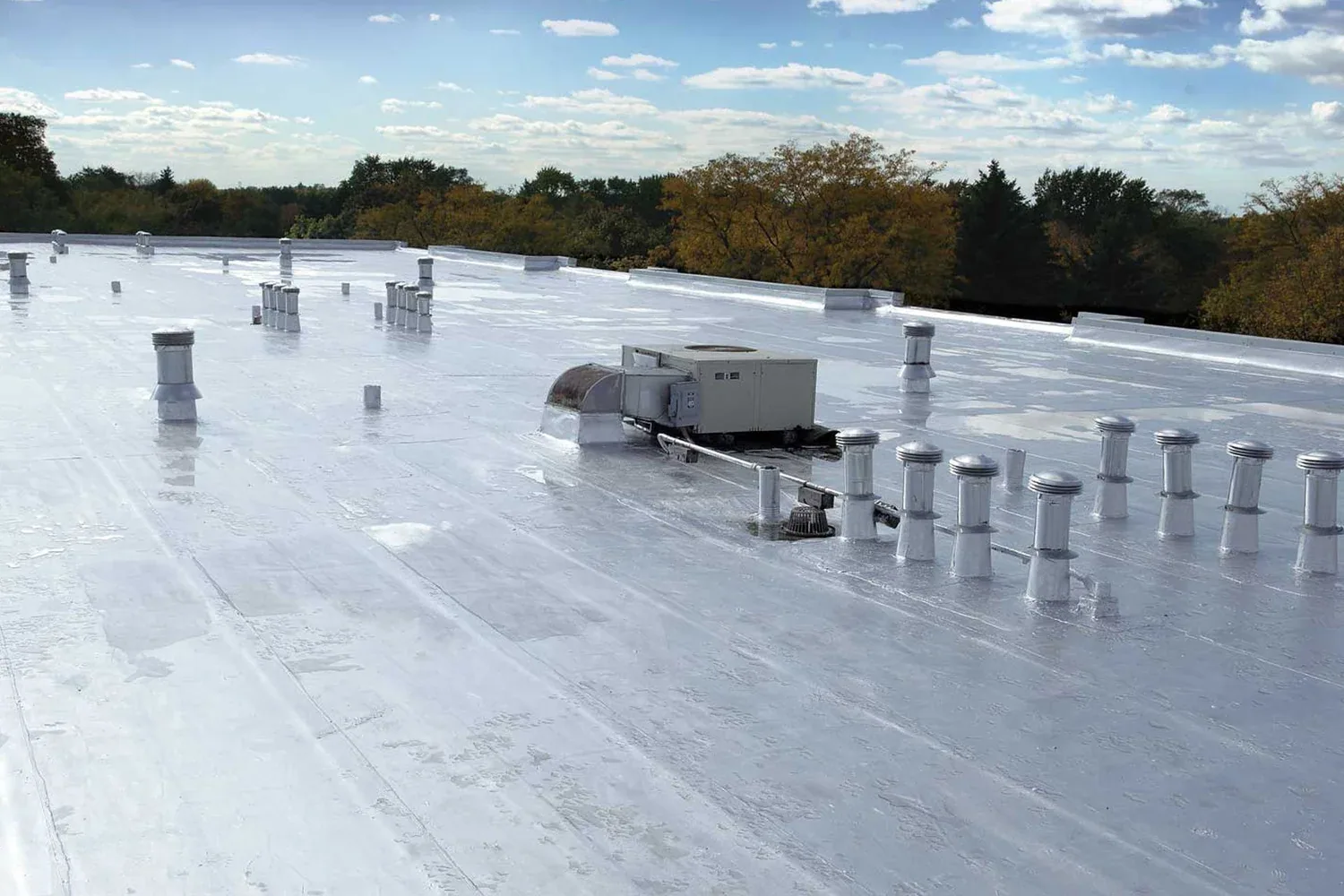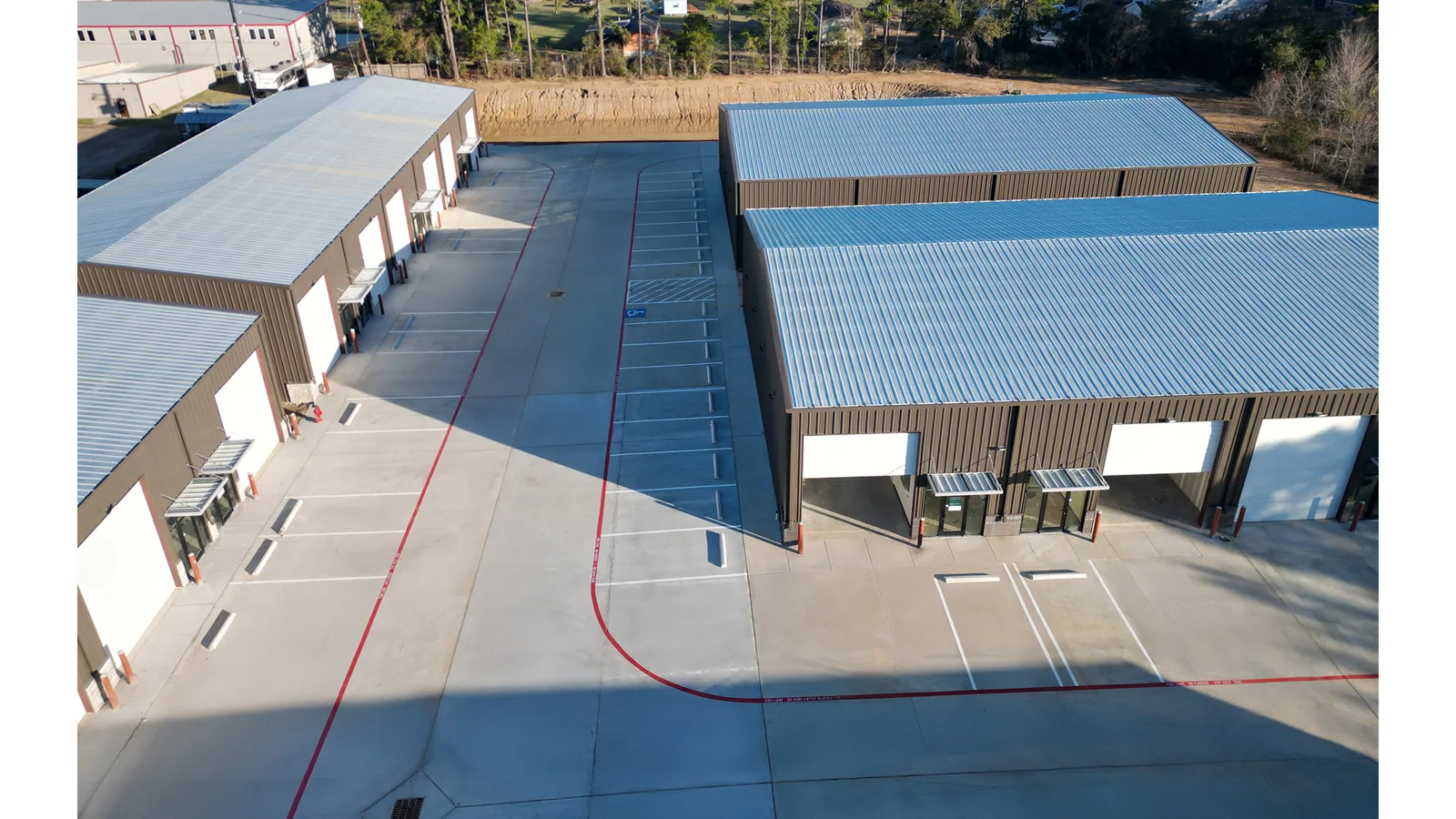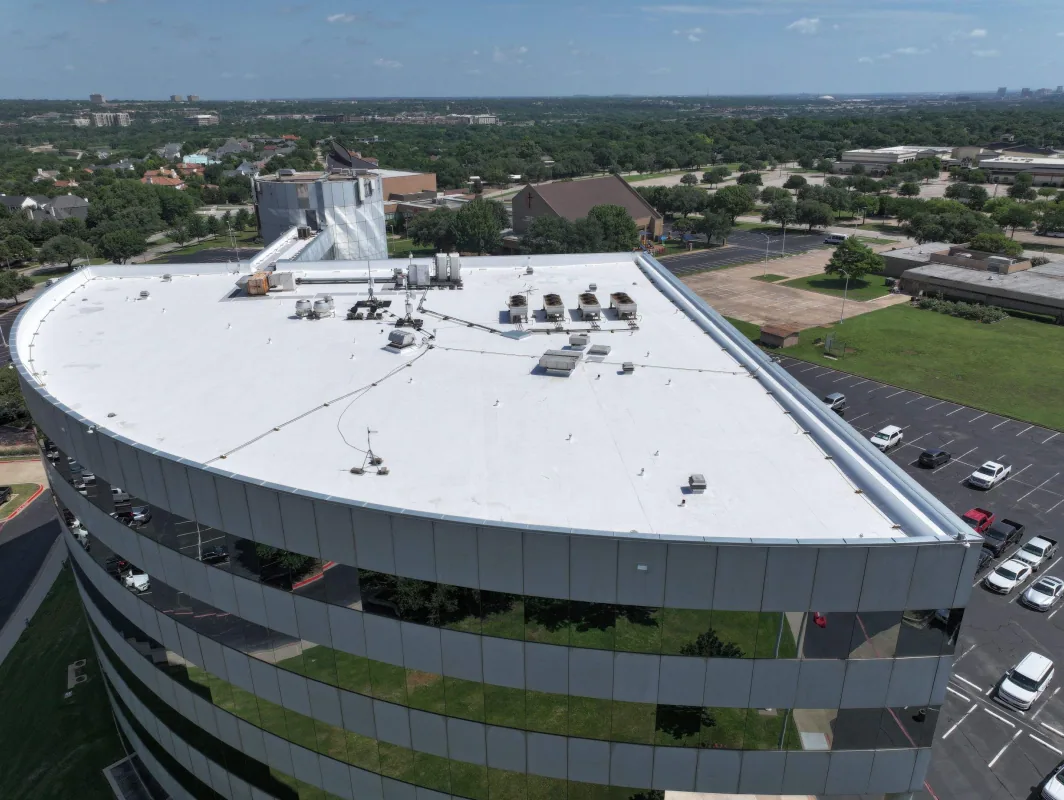

Warehouse pallet rows put stored goods directly beneath the roof's drain connections. A leaking bowl can affect stock before water reaches an open aisle. We examine that connection alongside the roof areas protecting the inventory. Commercial Roofing Edmond repairs and reroofs warehouses in Edmond, OK. The assembly needs usable drainage, sound attachment and accessible equipment details. Work above stock requires a deliberate protection and removal sequence. The facility director should know which roof area is open at each stage. Roofing decisions must account for both construction and the stored operation.
Oklahoma City has interstate access and business activity including aerospace and agribusiness. Guthrie also contains manufacturing, industrial and agricultural enterprises. Those regional uses provide varied storage needs without defining a particular building's roof. We inspect the actual property before selecting materials or repair boundaries. Inventory location and access affect the work plan below. The covering, insulation and supporting deck affect what gets built above. Both need consideration before construction begins.
A removal area above loaded shelving needs a defined interior protection boundary. The facility contact identifies stock that cannot tolerate water or debris. We coordinate roofing work with any required relocation or aisle restriction. Overhead protection should suit the work and the materials below. Sharp debris or dust can cause damage even without rainfall. The roof sequence should not rely on an aisle being empty unexpectedly. The director needs the area and timing agreed before removal begins.
Inventory movement may continue in other parts of the building. We establish how access below the work relates to the active roof zone. Occupied-building reroofing should divide openings into manageable closure areas. Changes in stock placement or operation need communication during the work. A zone that was clear yesterday may be loaded today. We keep the roof stage connected to the current operating space. That prevents construction from proceeding over unprotected stock merely because a schedule was written.
A drain pipe passing through a stocked area needs its connection examined carefully. We inspect the roof bowl, flange and surrounding insulation condition. Leaking piping may require the responsible plumbing trade. The roof-side repair must still fit the actual drain assembly. Drain and scupper work can include rebuilding outlet connections and correcting nearby elevations. The director should know which portion of that work is proposed. A clean strainer cannot correct a failed flange seal.
Low roof areas can hold water near vulnerable joints. We examine slope and the route around equipment or additions. A drainage correction may require tapered insulation or another design response. Structural deflection needs appropriate professional review where it affects the surface. The repair should not simply place another sheet over the same ponding geometry. We identify the elevation work and affected connections together. Water needs a functioning path beyond the warehouse roof. Its discharge should not create another exposure beside operating routes.
A roof deck below recurring leakage may have deterioration hidden by insulation. Selected openings can establish its condition where the repair decision needs it. Rusted steel or other damaged support may require treatment beyond the membrane. Structural questions move to the appropriate professional before roofing resumes. We document the exposed area for the director. New roofing layers need suitable support and the specified attachment. A large field repair should not conceal a known weak deck connection.
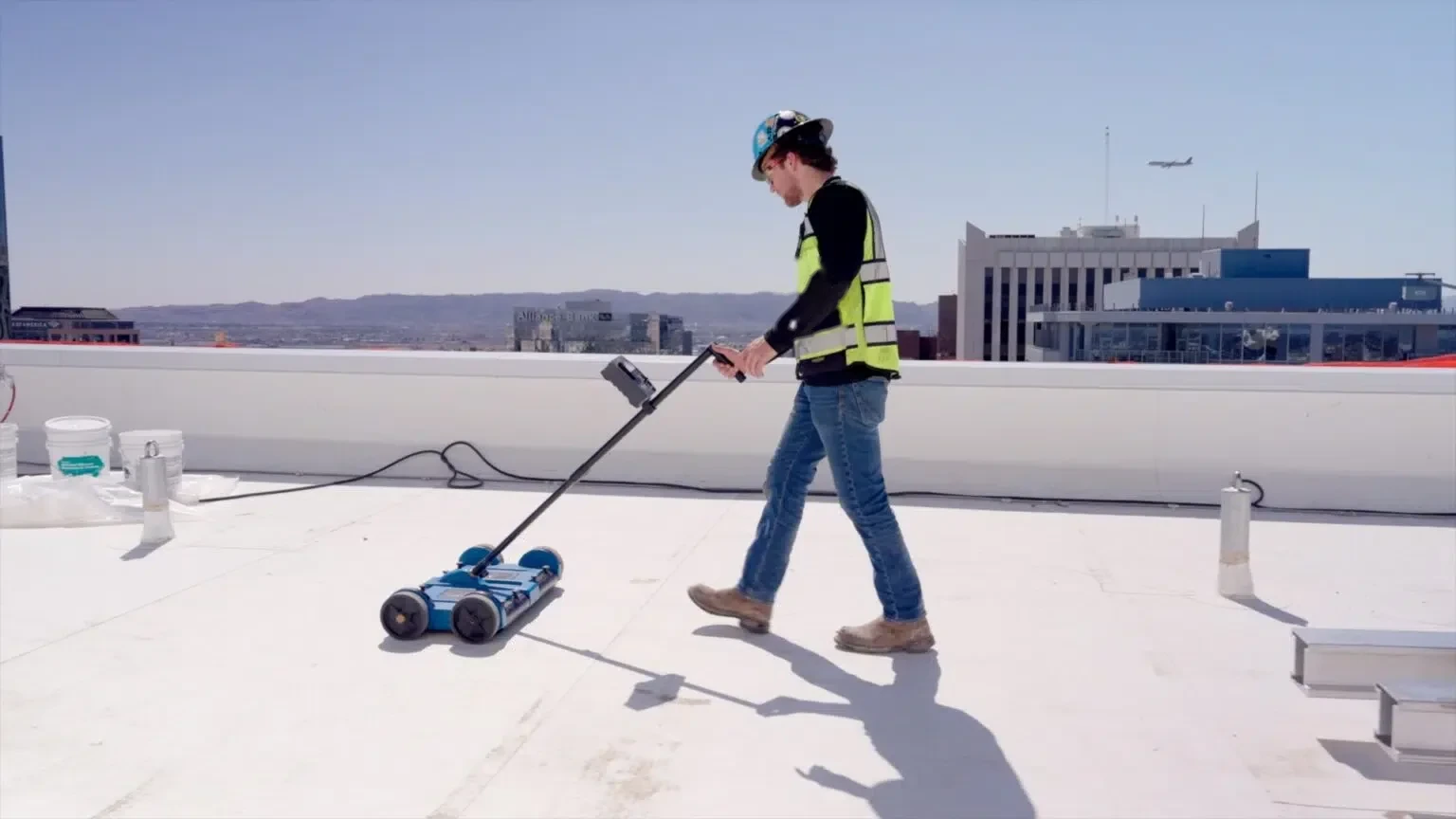
Moisture extent also matters when choosing what construction remains. Moisture surveying may help target direct checks on a suitable roof. Wet insulation needs the appropriate removal boundary. Apparently dry areas should still be examined where attachment or damage raises concerns. The proposed work distinguishes retained construction from replacement layers. Extensive deterioration may justify a broader project than isolated patches. We explain that choice through the observed assembly. Roof condition, not warehouse floor area, determines the necessary reconstruction.
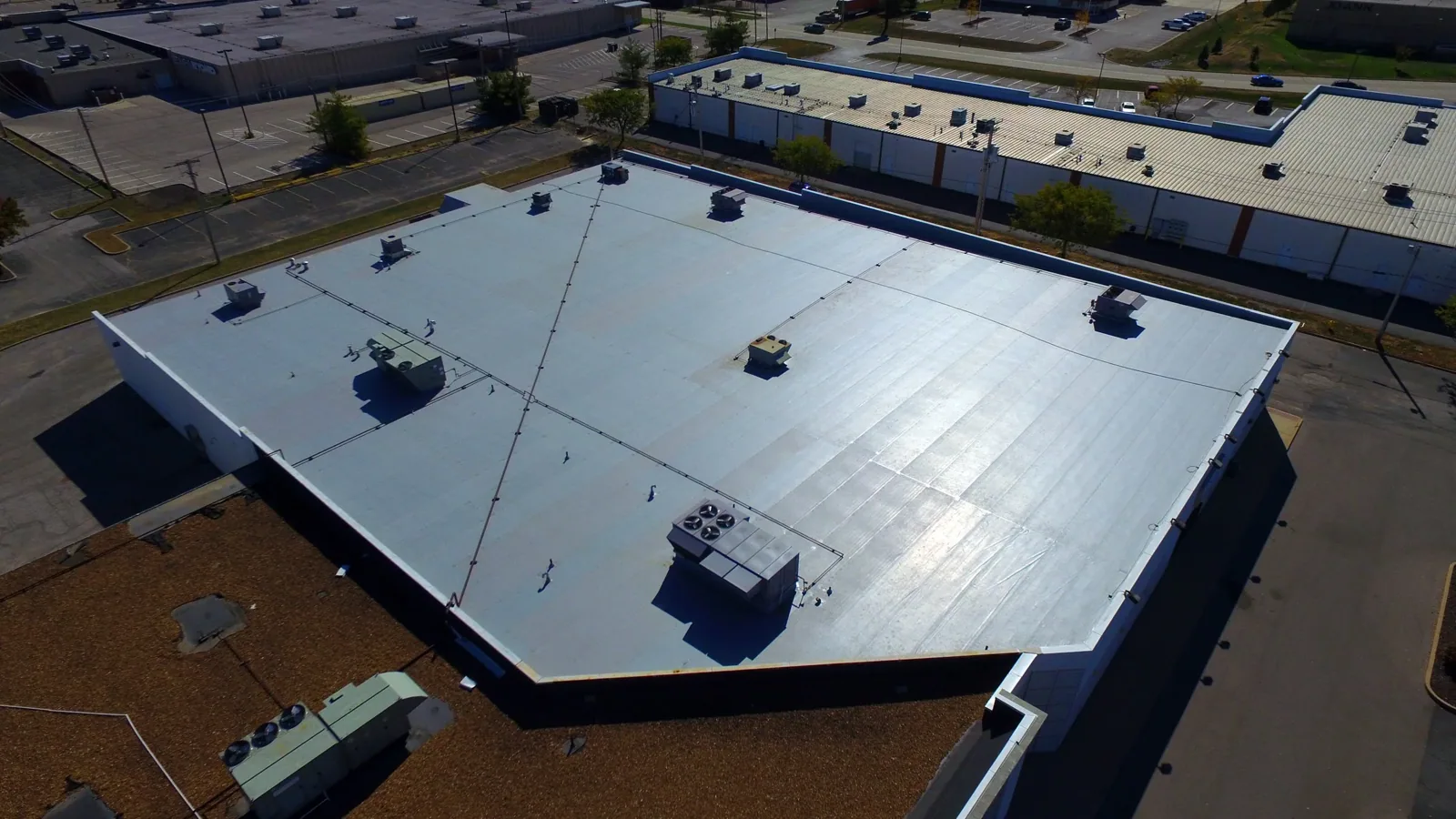
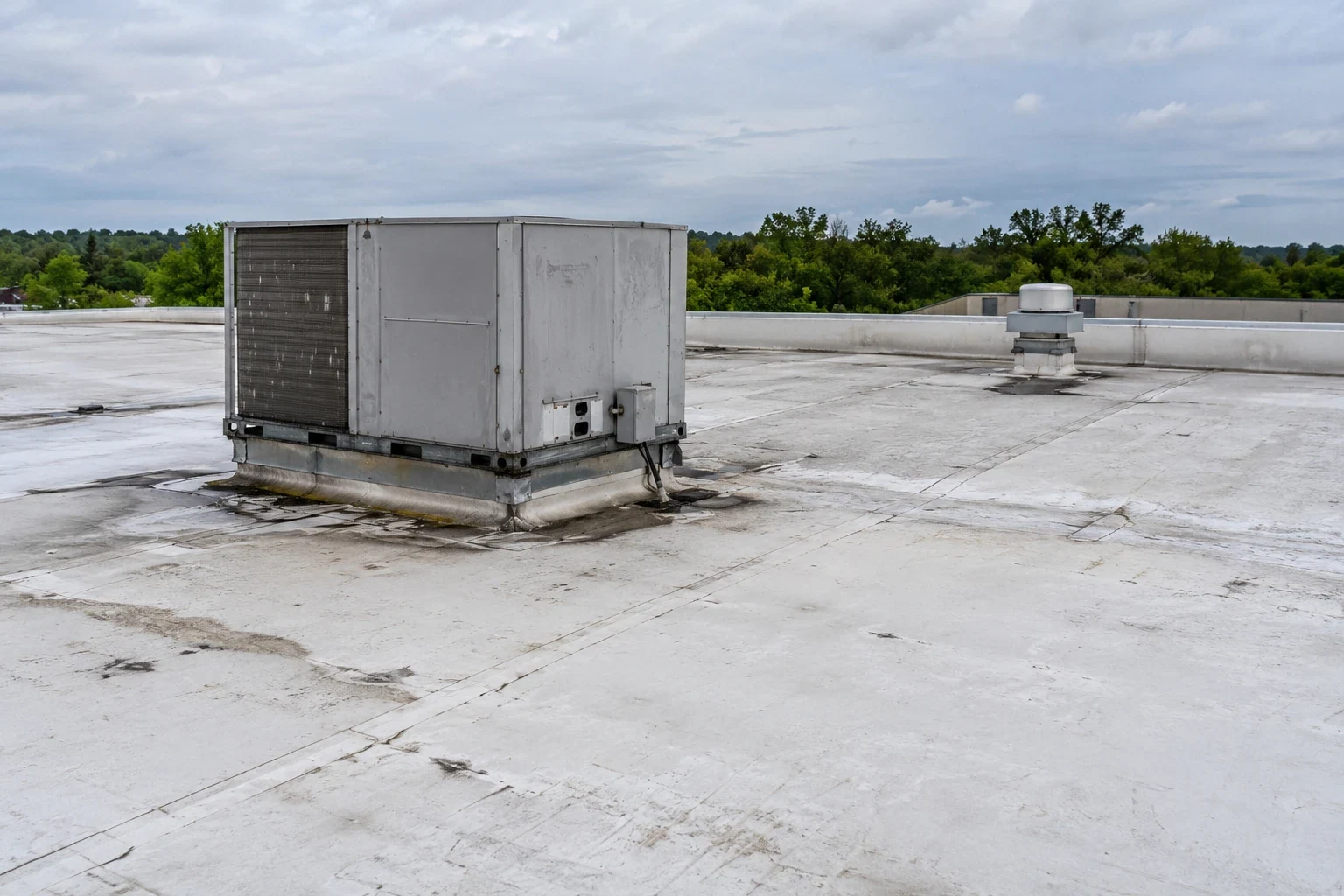
A warehouse roof can have equipment routes and penetrations across its field. We examine those actual conditions before choosing a membrane. TPO roofing may provide one suitable assembly with specified welded details. Metal or other membrane options bring different attachment and care requirements. The material should fit the roof construction and service exposure. Inventory type alone does not identify the existing roof. We establish that assembly directly during the examination. Cold-storage roofs also need their particular thermal and moisture conditions assessed.
Walkway protection can be necessary where equipment staff repeatedly cross the covering. The selected treatment needs compatibility and a placement that preserves runoff. New pipes or cables require properly supported flashing details. Distribution roof work can place different operating demands on similar physical construction. A storage-focused building may prioritize stocked-space protection differently from an active shipping operation. We discuss the specific use with the director. The roof choice should remain practical for subsequent maintenance rather than only installation.
A roofing delivery can conflict with a warehouse receiving route. We establish material handling and disposal locations with facility staff. Necessary fire access and building exits need suitable control. Roof storage also requires consideration of structural and installation requirements. Heavy materials should not be placed by convenience alone. Oklahoma City roof projects need the actual property access examined despite regional interstate connections. The delivery plan belongs to this building and its current operation.
Guthrie's industrial and agricultural enterprises can have other loading and storage patterns. We coordinate the proposed roof stage with the affected operating area. Oklahoma spring storms can bring hail and damaging wind statewide. Summer thunderstorms can also interrupt exposed work with heavy rainfall. We keep openings within a secure closure window at the property. Unexpected deck or insulation damage can alter that sequence. The director receives the changed condition before protection is moved to the next area.
A finished warehouse roof needs its seams, penetrations and outlets examined before release. We remove construction debris that could damage the covering or restrict runoff. The director receives locations for the completed work and remaining concerns. Roof maintenance can keep stock-related leak exposure under attention. Drain cleaning and checks after equipment activity remain useful after reroofing. Facility staff should report the affected aisle or equipment location precisely. That helps connect an interior observation to the relevant roof area.
New inventory layouts may change the consequence of an existing roof concern. Capital repair planning can account for those operating priorities alongside assembly condition. A roof defect above valuable or sensitive stock may need prompt attention. The repair still needs a physical examination and suitable construction method. We distinguish immediate protection from larger renewal needs. The warehouse roof should remain accessible for inspection as operations change. Its working details deserve the same attention as its broader field.
Arrange a review of the roof condition, drain connections and stock protection needs. We will define suitable roofing work and its interior boundary.
The repair method and exposure below determine the necessary protection. A small exterior patch may differ from opening wet insulation above shelving. We identify the active work boundary with the facility contact. Stock relocation or aisle restriction may be required. The operation should not remain beneath uncontrolled debris or water exposure.
Water can affect adjoining concealed layers, so the boundary needs investigation. We examine the drain connection and selected surrounding construction. Moisture checks help establish which material requires removal. The repair should address confirmed affected layers as well as the entry. A visible outlet defect is the starting location, not an assumed full extent.
The facility schedule and available controlled space guide handling. We coordinate roofing deliveries and disposal with the receiving operation. Entries and necessary emergency routes remain part of that plan. If the work area changes, the material route may need adjustment. The roof stage and ground logistics should stay connected.
The actual assembly requires examination. Floor area does not identify membrane type, moisture or attachment. We inspect accessible details and recommend direct checks where concealed condition matters. The resulting scope follows those findings. Size can affect work logistics without proving what construction the roof needs.