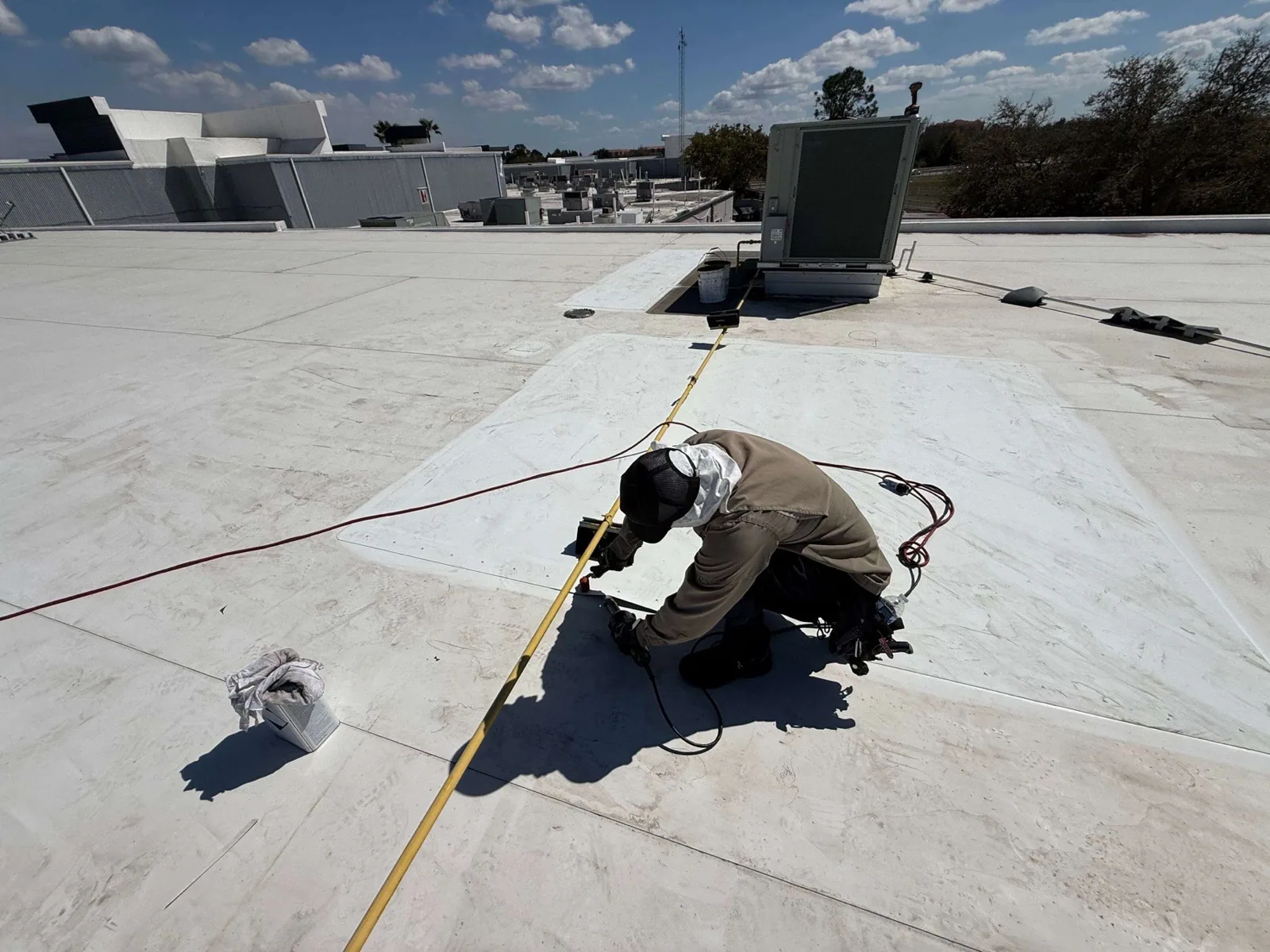

A medical office equipment curb can lose its roof return along a loose fastening strip. The visible split may follow movement in the backing underneath. Commercial Roofing Edmond repairs failed commercial flashing in Edmond, OK. We examine the sheet, its support and the upper connection before choosing reconstruction. Occupied equipment rooms influence the protection needed during that opening. The selected assembly governs preparation and the permanent joining method. The director receives the supporting task as well as the new visible material. A tight finish depends on a connection that holds its specified attachment without concealing unresolved movement.
Edmond includes medical providers and university building uses. Norman has University of Oklahoma and business-incubator facilities. Bethany includes health-care institutions, churches and small businesses. These regional uses can place occupied rooms beneath roof accessory work. We examine the actual curb or wall position against the space below. Intake precautions and equipment controls belong with the responsible facility staff. Roofing removal should fit the protection available at that location. Local building use informs the construction arrangement, while the installed material determines the repair detail and suitable backing.
A roof return can remain intact while water passes behind its top edge. We inspect the accessible termination and adjoining wall connection. Flashing-related leak examination locates defects against the observed interior condition. Wall or equipment entry may require action beyond the roofing material. We identify that responsible-trade task where the accessible findings support it. The new return needs a suitable upper closure in its intended detail. Adding compound along the exposed face may leave that water path unchanged. The director receives the connected reconstruction needed to finish the interface.
Old sealing material can interfere with compatible contact at the repair boundary. We examine the underlying surface before selecting preparation. Deteriorated sheet or contaminated backing may require removal instead of another surface layer. The specified detail governs fastening and accessory placement. A termination must accommodate the movement intended for its assembly. The adjoining wall also needs suitable condition for the selected connection. We identify necessary supporting tasks before new material conceals them. A useful scope includes the upper boundary and retained interface, not just the loose portion easiest to see from the field.
A tight internal corner can pull a repair sheet away from its backing. We examine the required shape and available working space. Roof penetration flashing repair uses compatible accessories and suitable preparation for the installed covering. Closely spaced services may require another layout before a proper finish is possible. Pipe or equipment specialists handle those alterations. The roof return should lie as intended without bridging an unsupported gap. We check the connection before it is concealed by the next component. The physical fit determines what must change at that opening.
EPDM flashing reconstruction follows its specified primer, accessory and joining methods. A thermoplastic assembly instead requires its compatible welded or specified accessory treatment. Mixing methods without suitable product compatibility leaves an unreliable interface. We establish the actual covering and retained condition before choosing the repair. Weather and substrate conditions affect acceptable preparation and application. Required accessory dimensions belong within the proposed construction. The director receives those physical tasks with the opening size. A new visible sheet alone cannot settle an unsuitable joint or cramped service arrangement.
A fastening strip can loosen where the curb face no longer holds it. Flashing support reconstruction examines that holding condition before completing the membrane return. The curb or unit may require its responsible trade's alteration. New support dimensions and loads can call for design review. We describe the roof-side closure after that task. The attachment should suit the backing and selected assembly. Enlarged holes or unstable holding material may need replacement. The proposed repair should restore the complete connection rather than conceal movement beneath new roofing.
A split field seam beside the return can require additional reconstruction. Adjacent seam repair follows the actual material's joining requirements at a suitable boundary. We inspect whether the damaged return has affected nearby sheet or support. Moisture beneath the opening may extend the removal area. Selected concealed examination can help establish that condition. Damaged deck material requires appropriate professional or construction attention. The director receives those findings before the replacement closes. A local accessory repair remains useful only where the adjoining retained layers can support its completed finish.
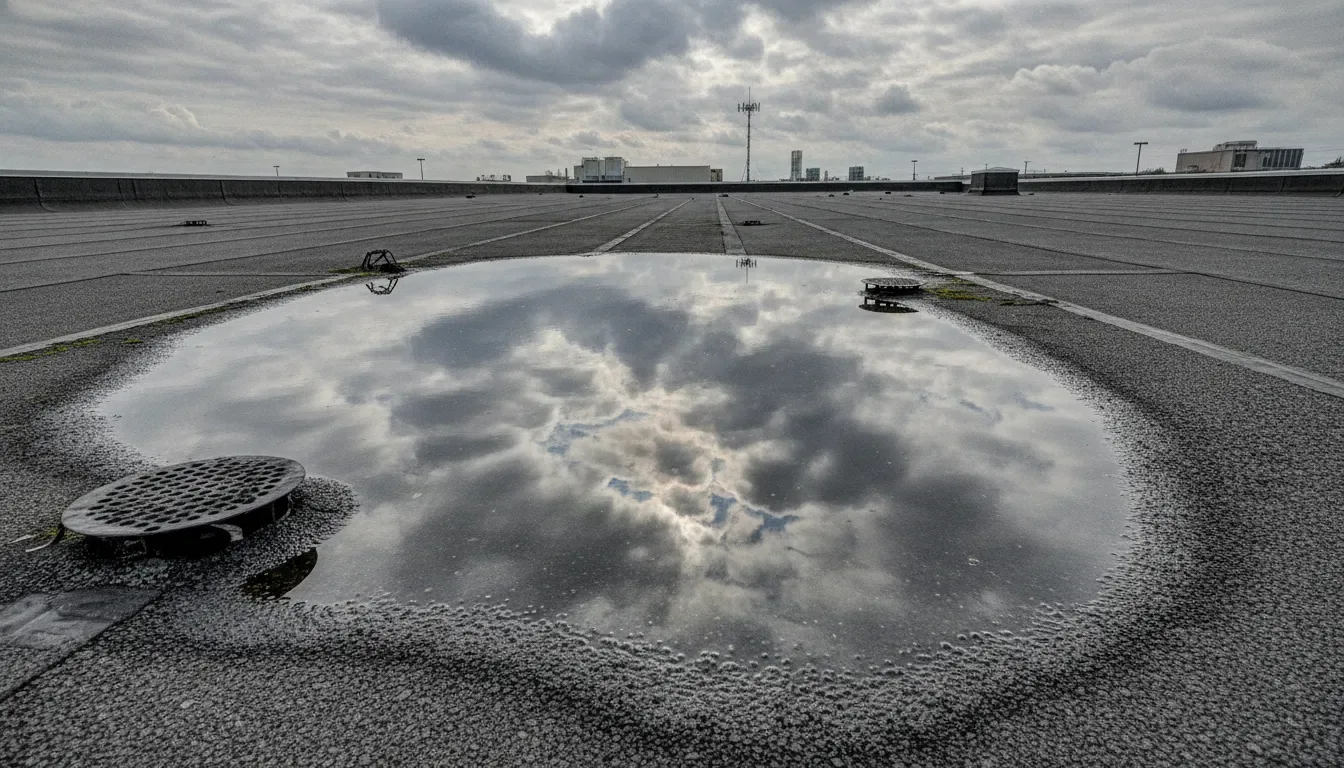
A new insulation layer can leave too little usable flashing height at a retained curb. We compare the proposed field and accessory dimensions before installation. Standing-water investigation also examines low areas where water remains against returns. Both relationships affect a useful closure. Drainage reconstruction or a curb alteration may be necessary before roofing finishes. We identify those tasks with their responsible trade or design requirement. The repair should suit the final assembly height. Raising a field without resolving its adjoining components can create another unfinished connection.
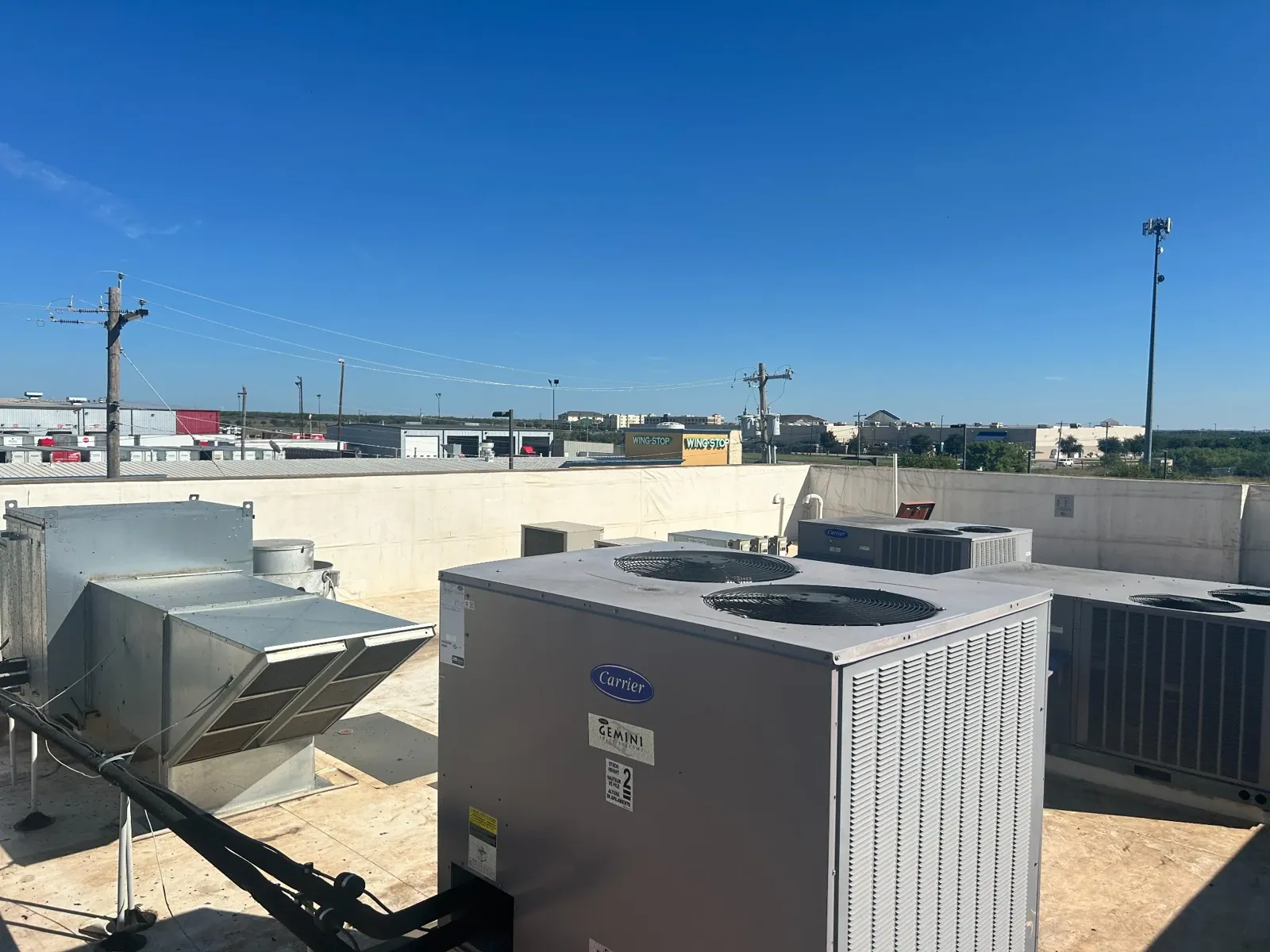
An equipment replacement may also introduce a new support location or discharge exposure. We examine the planned roof interface before the unit is set. Material compatibility should match that actual exposure. Mechanical staff handle equipment requirements and needed operating precautions. The roofing scope includes preparation, attachment and suitable service clearance. Project permitting, design and inspection responsibilities need confirmation for the intended alteration. Oklahoma hot summers and winter cold outbreaks can restrict product application conditions. We assess the work area before opening or finishing. Those material requirements influence the usable construction interval beneath occupied space.
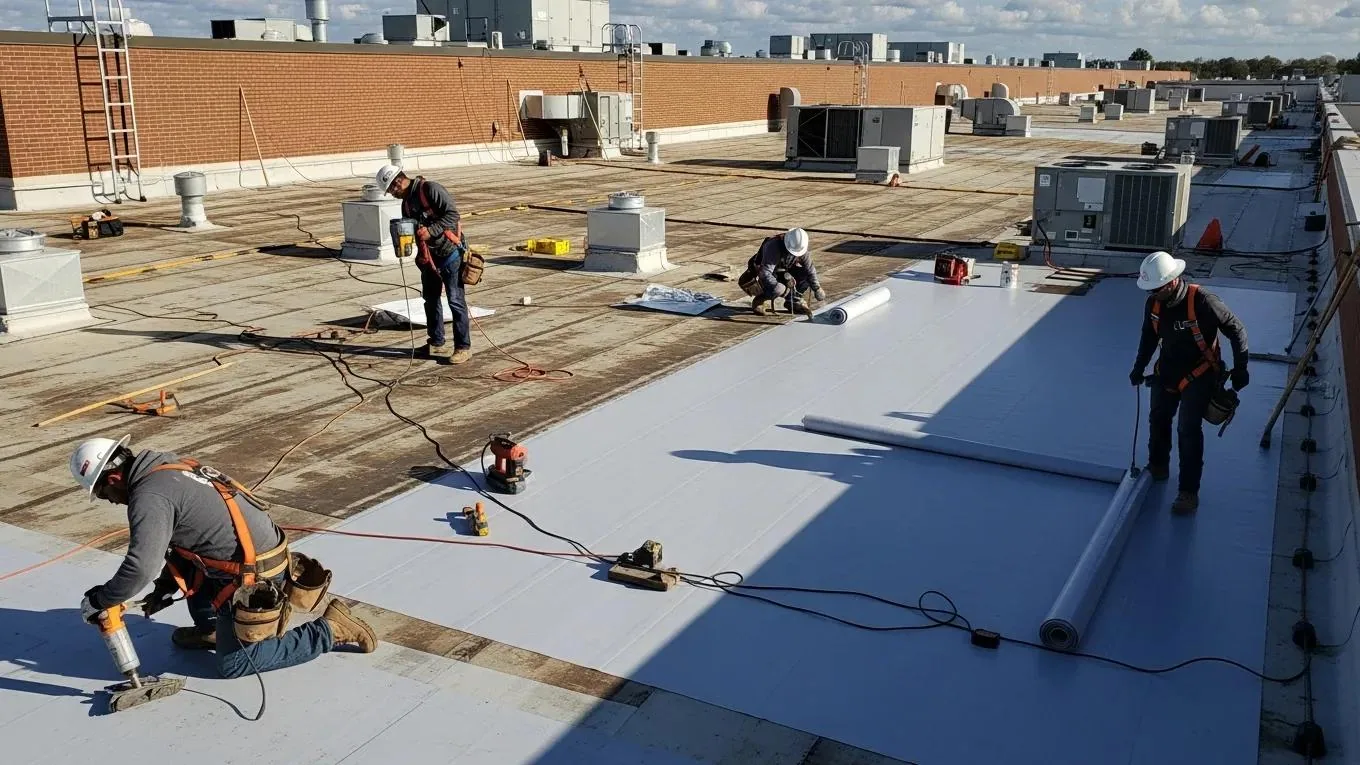
Bethany roof flashing work requires review of the actual property's occupied rooms and equipment routes. Norman education and business-use projects need their own operating precautions. We arrange protected lifting and disposal areas with the facility contact. Discarded accessory sheet and preparation scraps should not obstruct future examination of the return. We remove reachable roofing waste from collection points and the finished detail's service approach. Completion checks address its fastening, seams and upper closure. Equipment or supporting specialists finish their related tasks in sequence. The director receives the reconstructed interface and any remaining restrictions beneath it.
Located flashing condition findings connect the observed defect to its useful construction treatment. Photographs can identify support and upper-joint issues where visible. Later equipment service should preserve the repaired roof-side connection. New penetrations need compatible closure within their own installation sequence. A subsequent water report should identify the affected room and relevant timing. We examine reachable interfaces against that information instead of repeating the old face seal. Continued care should retain accessible terminations and service clearance. The next decision follows current condition at the actual connection.
Identify the failed return, adjoining equipment and affected occupied room. We will inspect the connection and define its backing, preparation and finish tasks.
The holding construction may remain unsuitable beneath the replacement. We inspect accessible backing and attachment before selecting the repair. Loose support or enlarged holes can require reconstruction. The specified joint also needs compatible contact and preparation. A new sheet face alone does not complete those underlying tasks.
We inspect the accessible termination and adjoining interfaces against the water observation. A wall joint may require its responsible trade while the roof needs another detail. Located findings identify the physical boundary of each task. Concealed uncertainty may require additional examination. The proposed sequence includes the connected work needed to finish the junction.
Available return height and the selected assembly govern the actual detail. We examine each proposed interface before closing the new field. Some components may require alteration by another trade. New loads or supports may need design attention. The complete scope identifies the required tasks at their respective locations.
The removal method and required protection limit the useful opening. Facility staff arrange equipment and intake precautions appropriate to the room. Material preparation and weather conditions still govern installation. A revised boundary can change the interior exposure. The director receives that condition before the next accessory is opened.