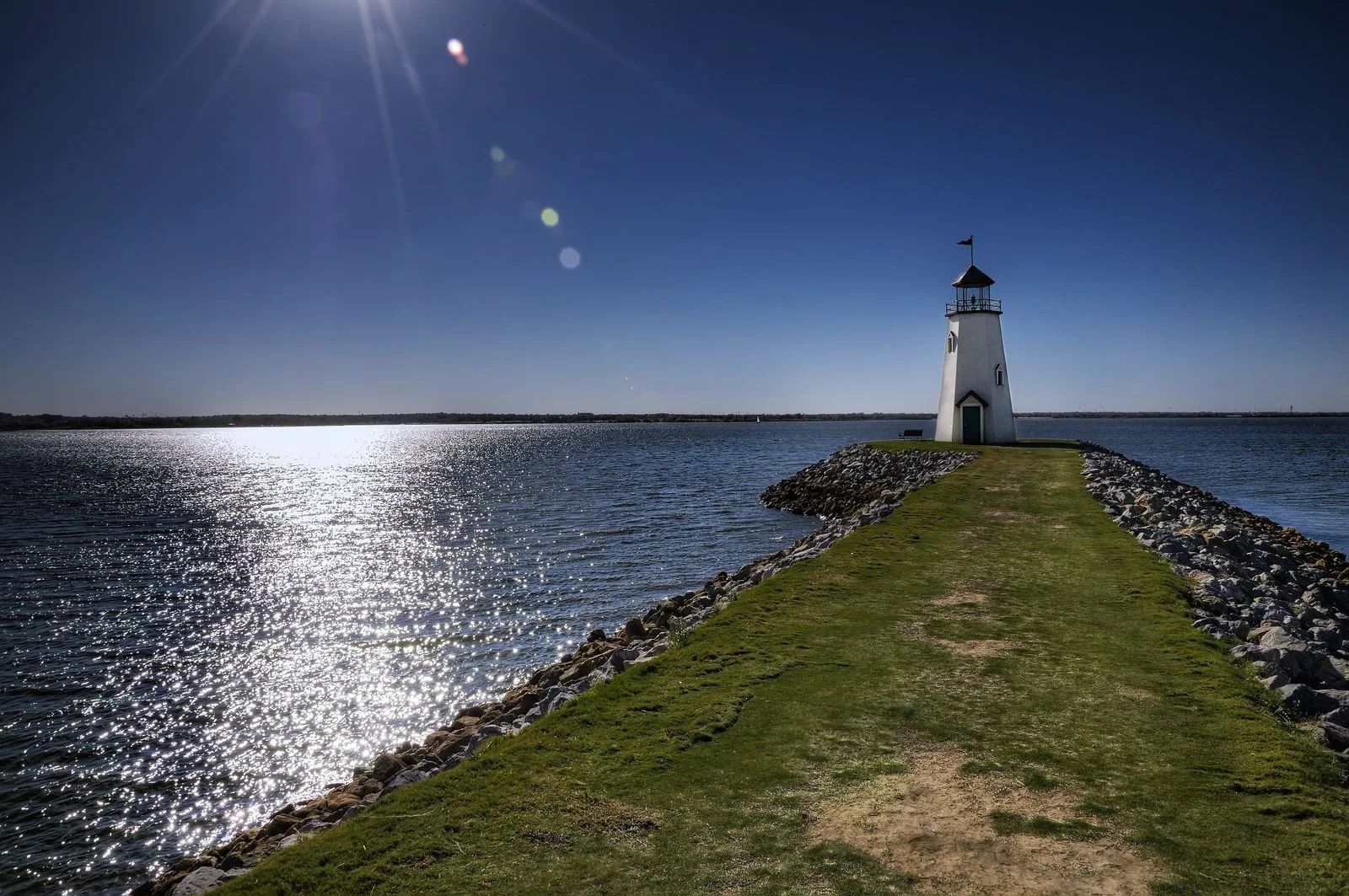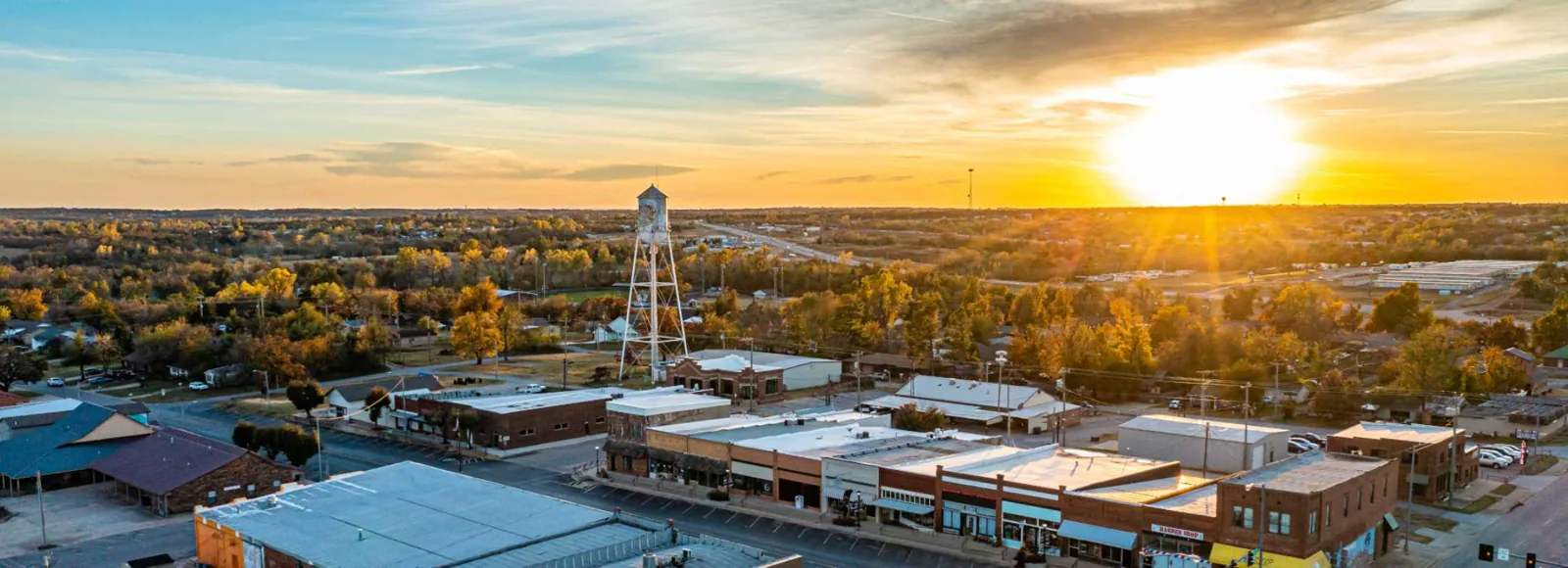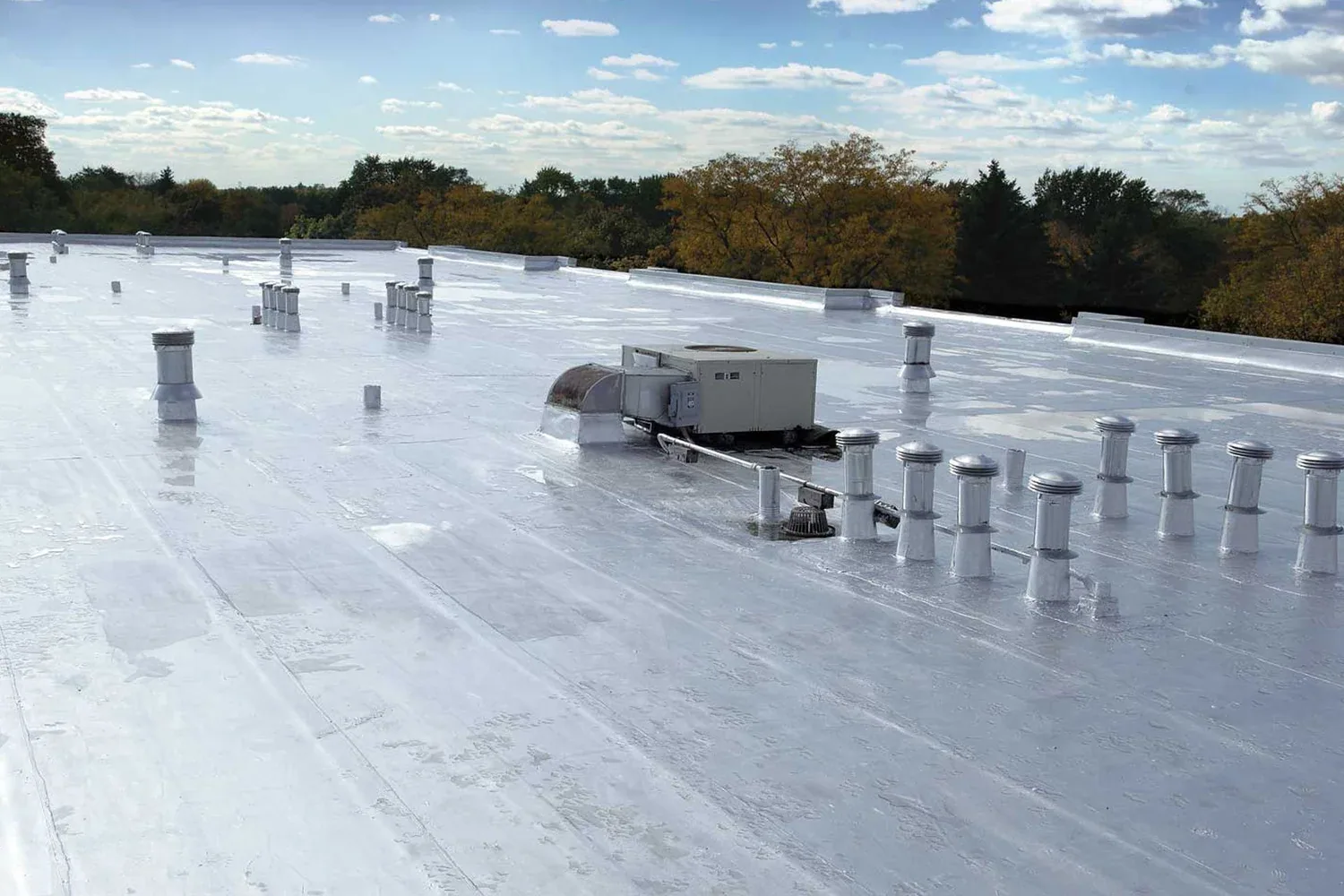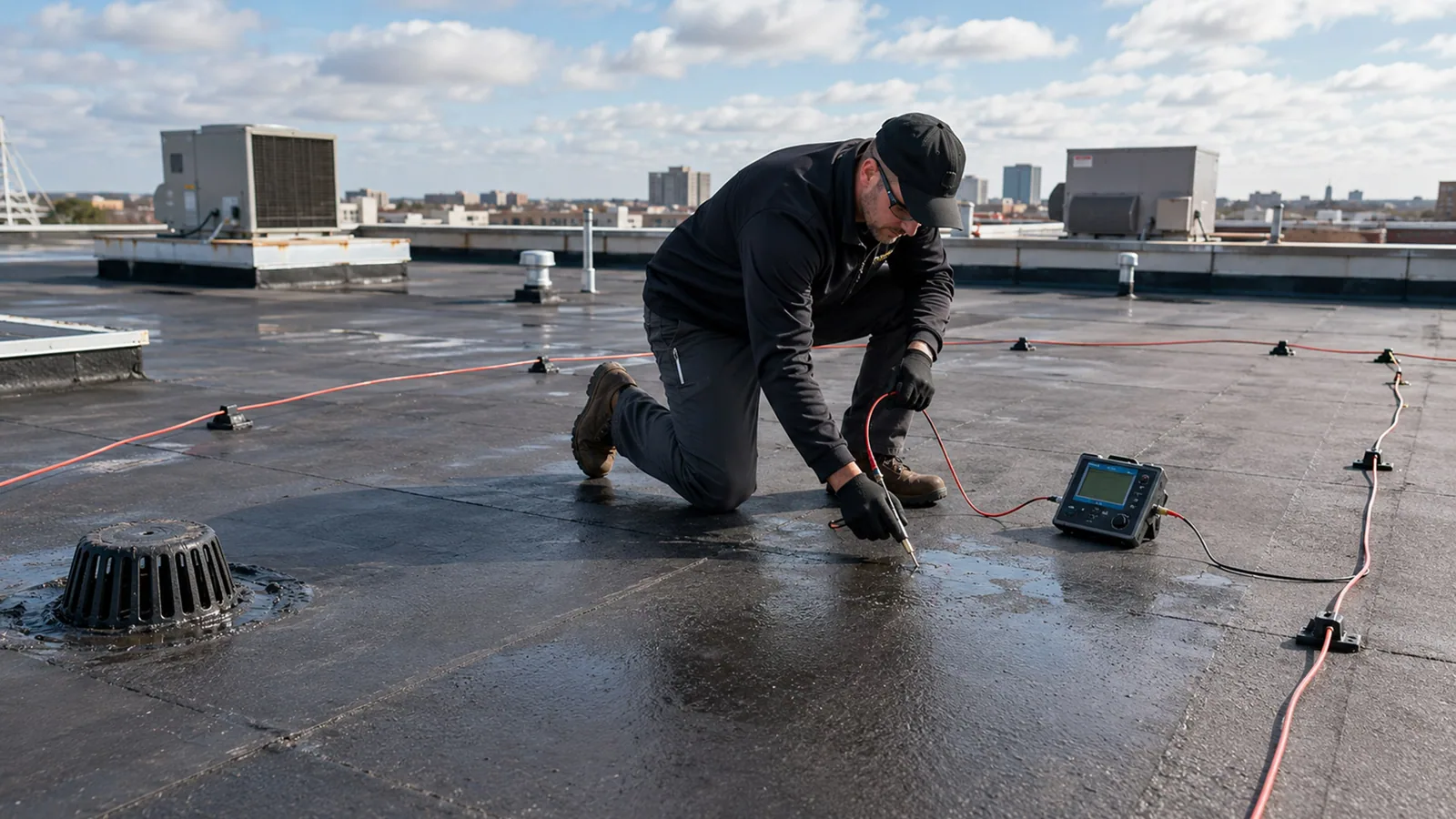

A neighborhood business needs a roof repair with a clean public edge. Nichols Hills is an Oklahoma County municipality bordered by Oklahoma City on three sides and The Village to the north. Its planned residential setting includes family-oriented business amenities. We inspect the individual commercial roof before pricing work. The commercial roof inspection records membrane, flashing, edges and drainage. It identifies which connection needs a test and where the repair should stop. The owner receives an access plan that accounts for nearby uses and occupied rooms.
Small commercial properties may share parking, service drives and pedestrian routes. We confirm loading hours, entrance use and staging boundaries with the property contact. Materials stay clear of customer paths and adjacent landscaping. If a lift changes circulation, we coordinate the route before arrival. The crew separates rooftop access from the route used by customers. Each shift ends with the roof opening protected and the ground area clear. A photo record shows what changed during the phase.
Owners with a regional schedule can group travel without merging site conditions. A The Village roof assessment keeps its own property notes, and a 2nd Street corridor review receives a separate scope. The manager confirms each access point and work hour. That planning helps limit noise and debris near active business areas. We do not assume that a shared street or owner means shared roof construction.
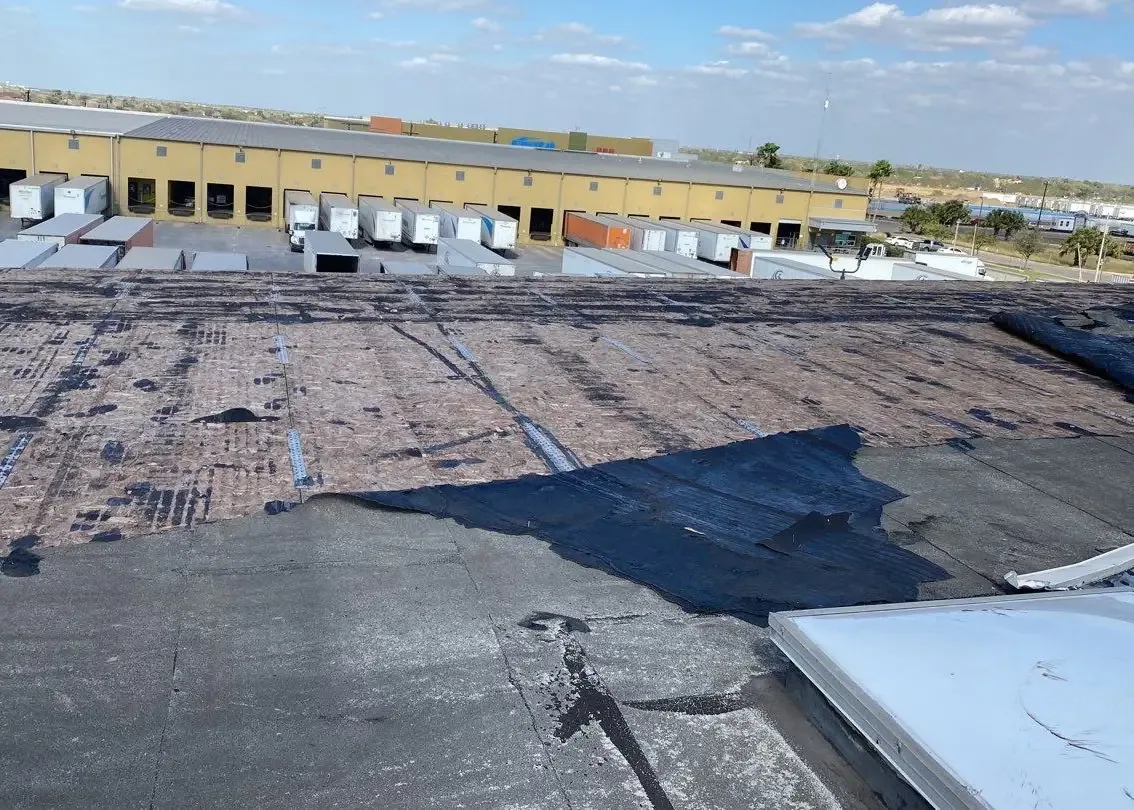
A low-slope roof can leak at its edge even when the central membrane looks intact. We inspect coping seams, cleats, fasteners and backing. Sealant alone cannot restore loose attachment. The repair exposes enough of the detail to verify the receiving surface. We then install compatible metal, secure the connection and photograph the finished lap. On membrane systems, the return should sit flat at the termination. A corner should not pull the sheet away from a curb or parapet.
Family-oriented retail and service buildings can have canopies and storefront transitions. We inspect where those elements meet the main roof. A coping and edge-metal repair identifies the boundary and attachment in the estimate. If water has moved behind the cap, the crew records the observed condition before widening the scope. The owner approves concealed repairs after reviewing the photos. For metal panel roofs, we check movement at clips and end laps before adding fasteners.
Spring in Oklahoma brings a risk of hail, tornadic storms and high wind. Fall can also be active, while summer heat affects crews. These statewide patterns guide work scheduling but do not prove damage on a Nichols Hills roof. We check current conditions before opening the surface. The work plan names the area that can be safely exposed and the cover needed at the end of the shift. Material application follows the selected system’s installation conditions.
After a reported event, inspection focuses on visible conditions at the property. We check seams, penetrations, loose edge metal and interior reports. The work record separates emergency protection from permanent repair. A storm-damage inspection can identify whether additional testing is needed. We tie every recommended correction to a photographed area. A weather report by itself does not establish that all nearby roofs need repair.
Drainage review starts with the strainer, bowl, clamp ring and flashing. We trace the roof surface toward the outlet and note ponding or sediment. If a basket is blocked, cleaning may restore flow. A split flashing, loose clamp or failed overflow detail calls for construction. Persistent water may need slope measurements before an insulation change is scoped. The estimate separates clearing from repair so the owner can see which work restores function and which changes the assembly.
Canopies and equipment can alter debris paths around an outlet. We note the accumulation zone and maintain service access. A drain and scupper correction keeps the primary outlet and overflow available. Where a concealed leader connects below, we record the roof-side condition and recommend testing if the owner needs a below-roof confirmation. Follow-up visits can compare the same drain area over time, rather than assigning a uniform cleaning interval to every roof. After repair, we check the clamp seating, flashing lap and overflow clearance. The owner can see whether water leaves the immediate area under the test conditions. If access to a concealed connection is needed, we identify that separate test instead of extending the roof repair by assumption. The written scope preserves the boundary between a drain correction and work on a shared or buried system. That separation makes approvals and future service records easier to follow.
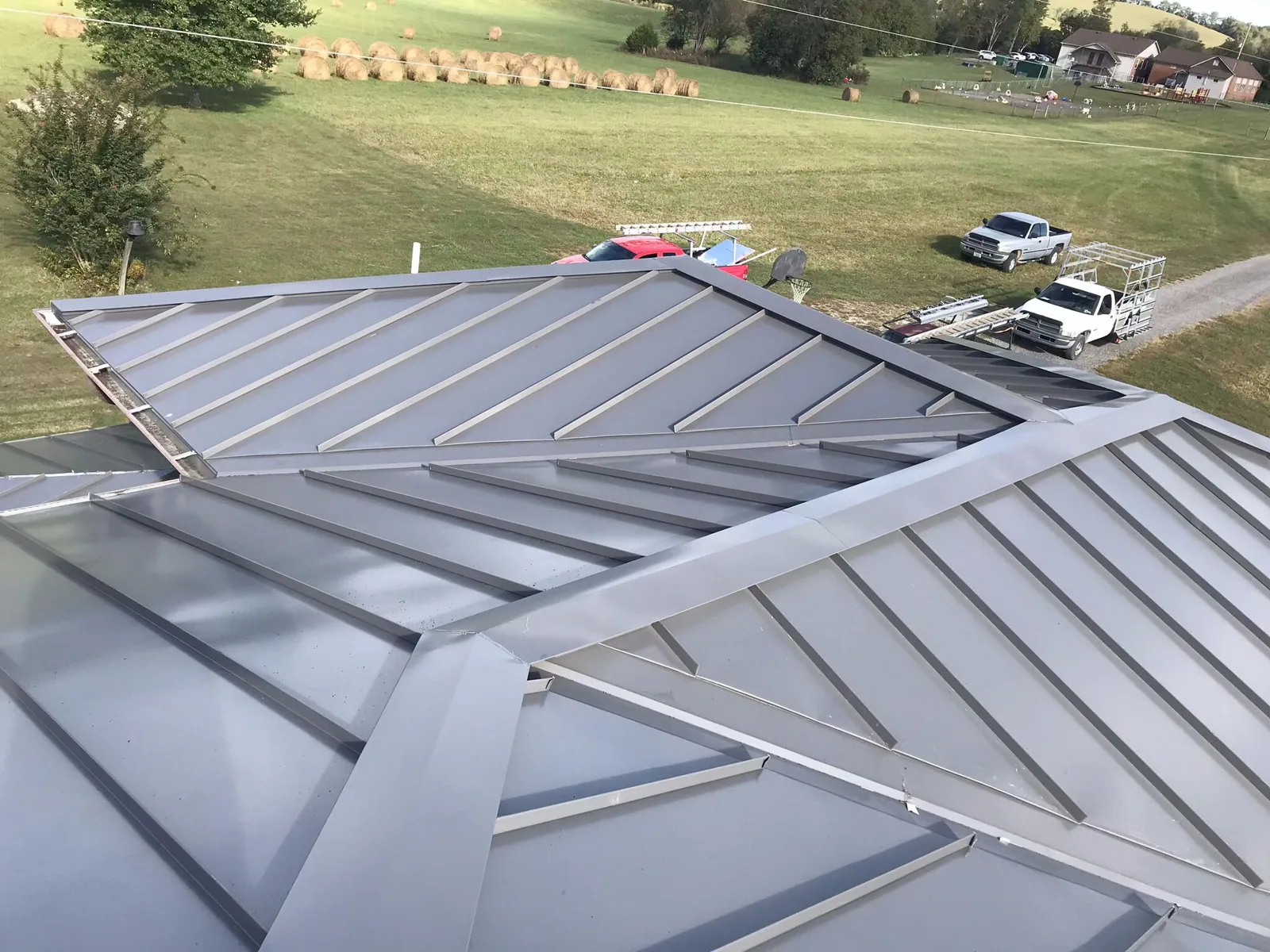
We confirm the existing roof before selecting a patch, flashing or coating. Membrane type, seam direction, attachment and receiving surface all matter. Thermoplastic sheet needs a clean test weld. EPDM uses compatible primer and flashing. Metal panels require closures that fit the profile. We use restoration coating only after checking adhesion and substrate. Loose perimeter attachment or a weakened deck calls for construction. The scope states material and boundary. If moisture appears during removal, we pause and seek approval before expanding work.
A property’s limited commercial footprint does not simplify the technical detail. The crew checks the assembly and records the result. A TPO seam repair has different preparation from a metal panel correction. If wet insulation extends beyond the opened area, the owner sees the evidence and quantity before authorizing more removal. A commercial roof repair should address the verified connection. Replacement becomes a separate decision when the observed scope warrants comparison.
At closeout, we review finished seams, terminations, edge connections, drains and access paths. Photos show concealed details before covering and the final condition afterward. The report names the material, location, repair limit and any follow-up work. A roof condition report gives the owner a practical record for budget review. For several municipal properties, each address remains distinct. The next visit can compare current roof conditions with the actual prior repair.
Maintenance, repair and replacement should remain separate choices. We note areas that remain serviceable, details that need attention and tests that could change the scope. A roof manager can schedule a later visit around tenant activity and weather. Ask us to examine the Nichols Hills building’s public edge, drain path and access conditions. That review helps select a safe opening window and a contained repair boundary before procurement begins.
Set a close examination of the building’s perimeter, drain path and customer access. The visit helps determine a safe opening window and repair boundary.
Often, if customer paths, material staging and work hours are coordinated. We agree on the access route and daily closeout with the property contact.
No. It describes municipal context, not the building inventory. We confirm the property use and roof condition before defining a service scope.
Request a roof review of seams, penetrations, edges and interior reports. The inspection documents actual conditions and separates temporary protection from permanent work.
If cleaning does not restore flow, or the clamp, flashing or overflow is damaged, a compatible repair may be needed.
Travel can be coordinated, but every property receives its own inspection, access notes, photos and work boundary.
The crew pauses at the approved limit, documents what is exposed and requests direction before material or scope expands.