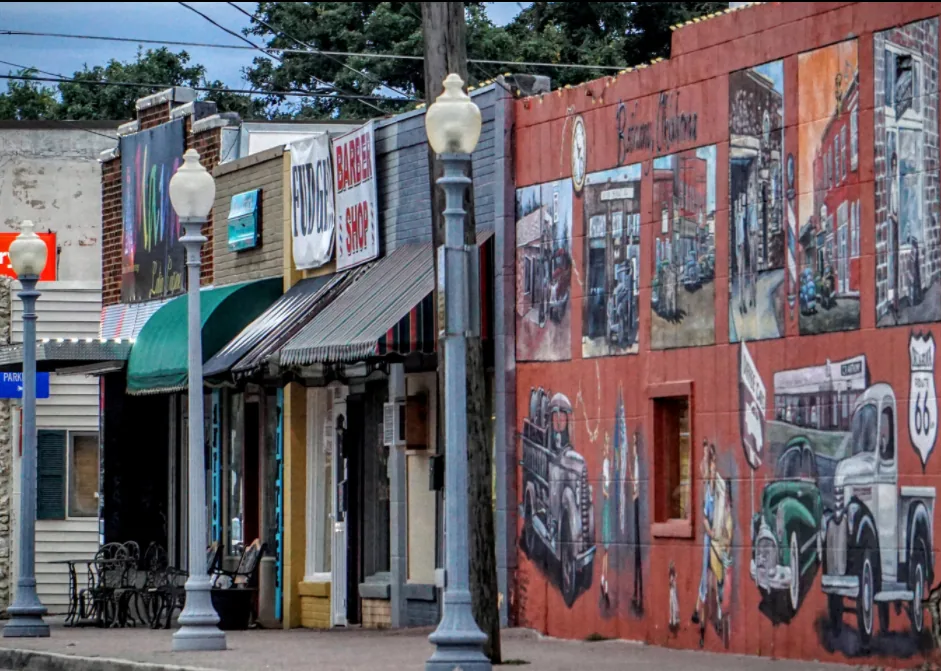

A shopping district needs clear entrances while roof repairs proceed. Warr Acres is a separate municipality in western Oklahoma County. Shopping districts developed along MacArthur Boulevard and Northwest Expressway. We begin with the property’s assembly, access and operating schedule. The commercial roof inspection records roof edges, penetrations, drainage and membrane condition. It identifies which details need testing before a price expands. The owner receives a work area and material plan suited to the building, not a generic route description.
Retail and service businesses rely on customer entrances and loading access. We agree on the material drop, crew entry and debris path before staging. A lift should not block a shared driveway without an approved temporary route. We keep tools away from public doors and protect signs, canopies and landscaping below. The crew opens only the section it can close that day. The manager confirms operating hours and any delivery restriction. At closeout, we clear the ground route and return the roof access to its agreed condition.
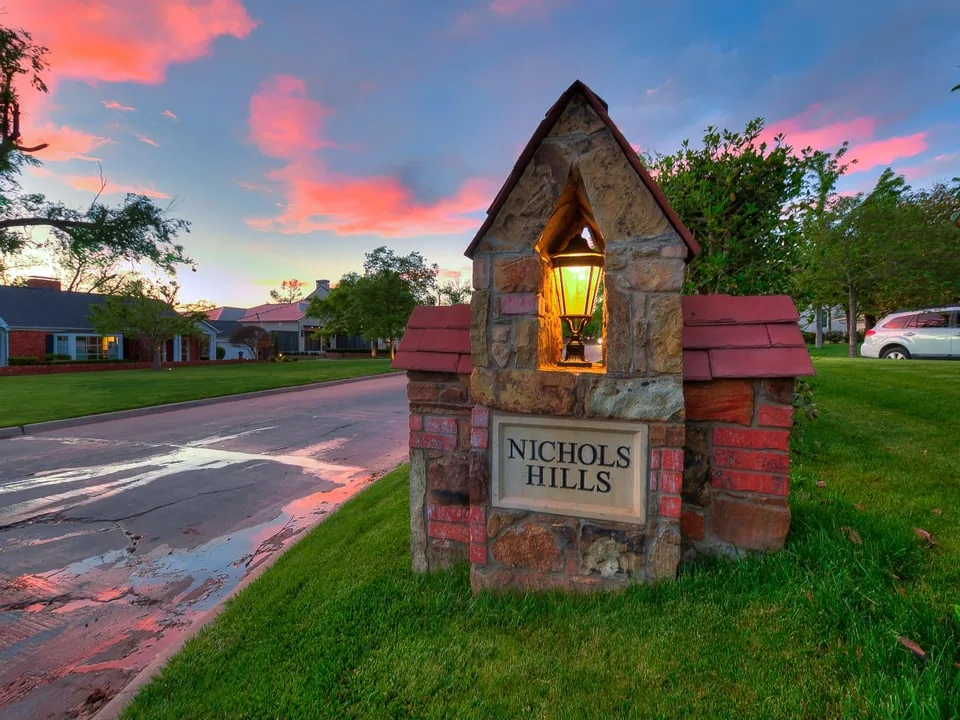
Warr Acres is also served by State Highway 3 and Historic Route 66, with school service across most of the city. At each property, we confirm the roof assembly, access and operating schedule during the site visit. A Bethany roof assessment can be coordinated separately from a Nichols Hills inspection. Each visit receives its own access notes and photo log. Shared travel does not merge repair boundaries, materials or approved work.
Storefront canopies and wall transitions can direct water toward a vulnerable roof edge. We inspect coping, cleats, fasteners, counterflashing and the substrate behind the metal. A loose cap should be opened enough to inspect attachment. Sealant cannot replace a secure connection. The repair scope identifies the metal removed, backing restored and lap finished. Photos show the existing condition and completed detail. If water has traveled behind a sign band or wall panel, we mark the observed limit before asking for approval to expand.
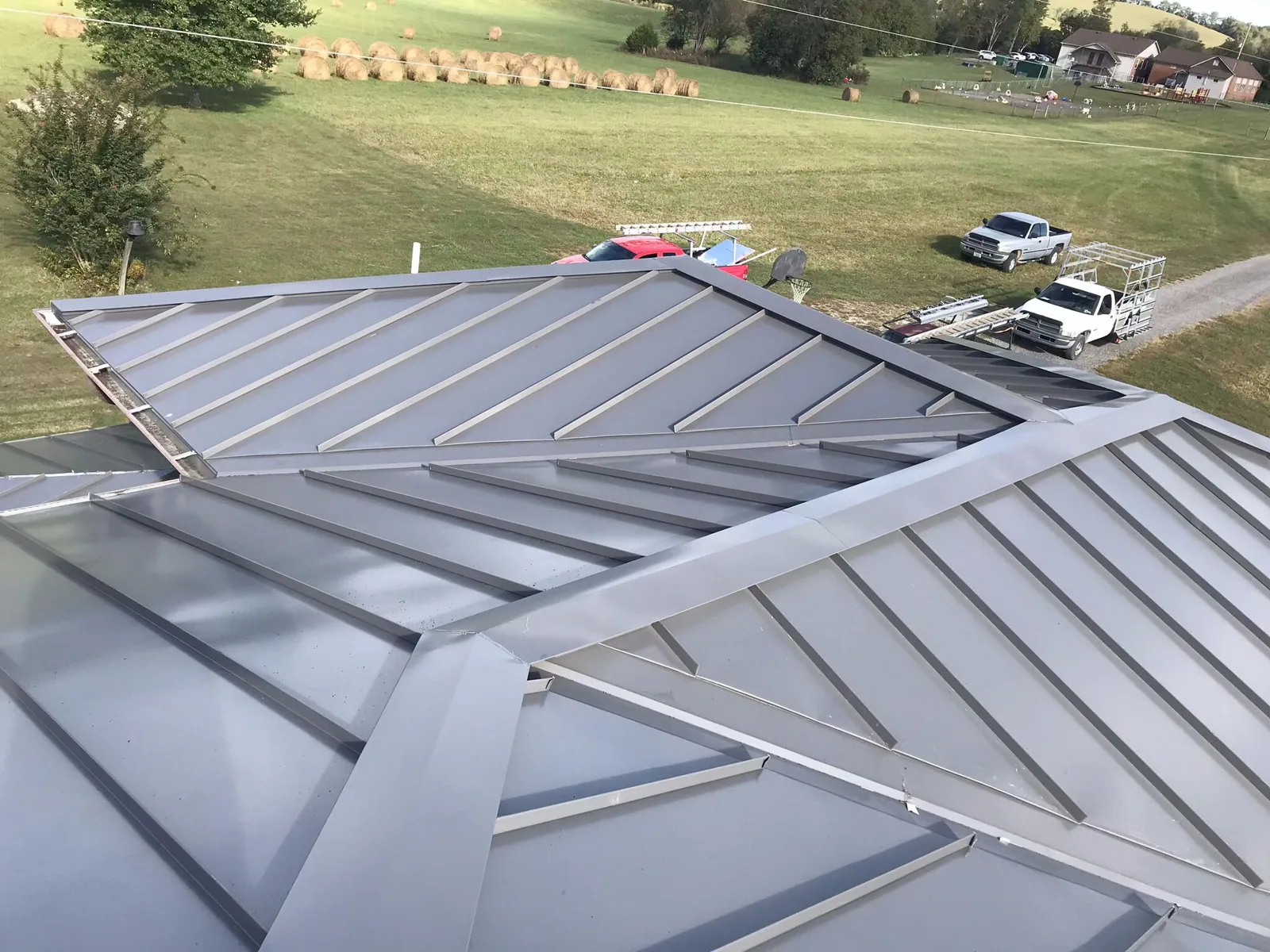
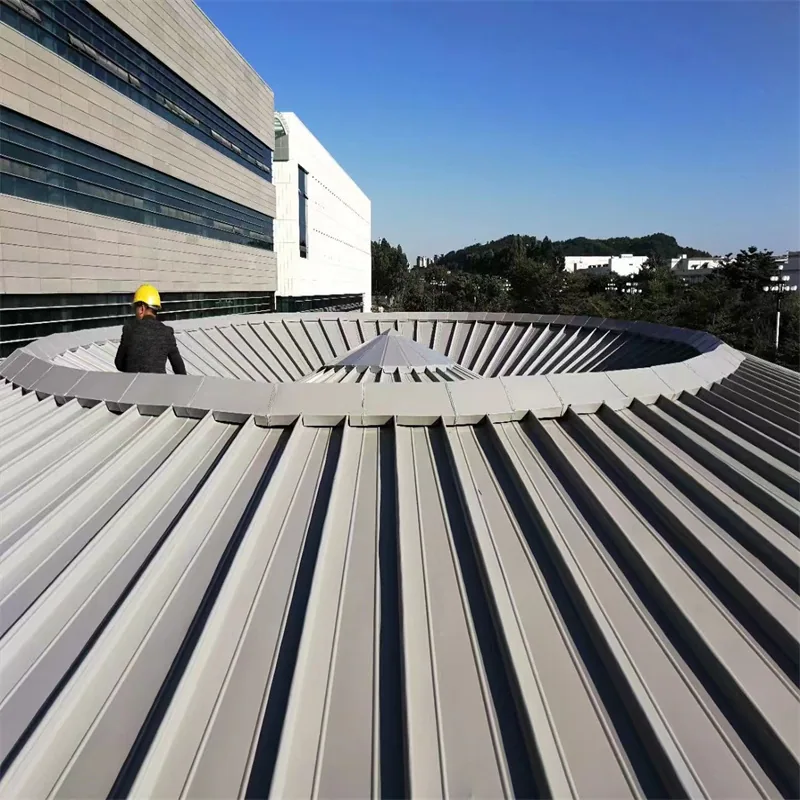
A membrane roof may turn up behind an awning or meet an older section at a step. We check the transition for a clean termination and movement. The edge-metal and coping repair specifies profile and fastening. We inspect nearby seams before closing the tie-in. If the roof uses standing-seam panels, clips must allow movement. A metal-roof review confirms the panel before work begins. That detail avoids locking a moving seam with the wrong fastener.
Spring thunderstorms can carry hail, destructive wind or tornadoes in Oklahoma. Fall also sees severe weather; hot months affect crew exposure. These are statewide patterns, not proof of roof damage in Warr Acres. Before tear-off, we check conditions and set the daily open limit. The crew stages temporary cover and closes the section before leaving. Product handling follows the selected system requirements. When wind or rain changes the work window, protection takes priority over opening another area.
After a storm report, inspection follows what can be observed at the property. We check metal edges, seams, penetrations and interior evidence. Photos identify each finding and roof zone. The storm-damage roof inspection separates dry-in from permanent correction. We do not infer damage from a regional alert alone. If an occupied storefront has active water entry, we protect the affected area and coordinate customer access. The repair scope follows once the assembly and limit are known.
We inspect the drain basket, bowl, clamp and flashing around each outlet. Then we follow the roof slope and note sediment, standing water and overflow clearance. A blocked strainer may need clearing. A split flashing or loose clamp requires compatible repair. If water remains after the path is clean, measurement can distinguish settlement from another drainage problem. The scope prices these actions separately. That lets the property manager approve cleaning without inadvertently authorizing slope reconstruction.
Roof traffic and sign work may leave fasteners or packaging near drains. We check the area and confirm that service routes remain open. The drain and scupper repair keeps primary flow and overflow available. We record the outlet’s condition after work. A future maintenance visit can return to debris-prone points and compare photos. That history helps set a useful interval and shows whether a prior cleaning solved the blockage or whether a construction detail needs attention.
Storefront canopy and main roof may use different construction. We inspect the tie-in and confirm which surface receives the new flashing. A trial repair verifies bond before the crew extends it across the field. For a metal panel, rib shape sets closure size and screw placement. An EPDM repair follows its own accessory system. Coating is reserved for a compatible surface with firm attachment. The scope lists each product and excludes unseen work until the owner approves its quantity.
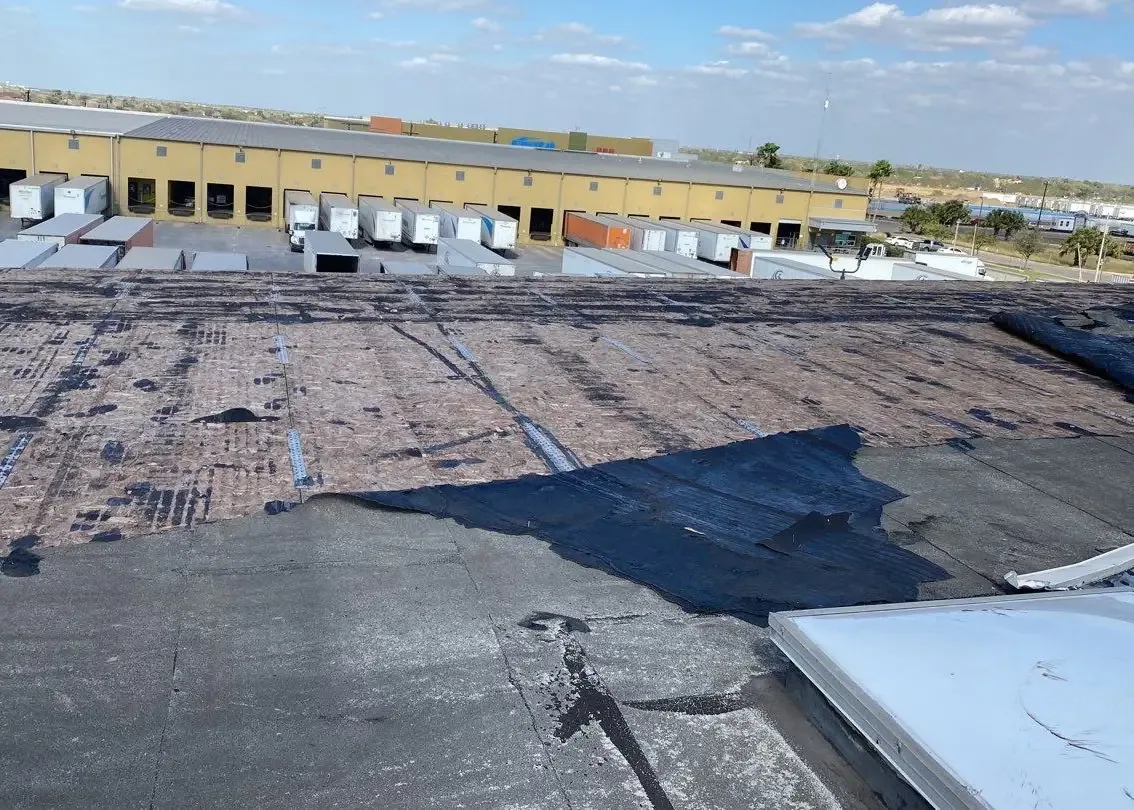
If tear-off shows saturated insulation or deteriorated decking, photographs document the exposed condition. The crew pauses, protects the opening and requests direction. The manager can decide whether to replace the affected area now or defer separate work. A replacement estimate breaks out the sections, perimeter details and drainage corrections, allowing a tenant schedule to stay connected to known work rather than a broad roof-wide allowance.
The final walk checks finished seams, canopy tie-ins, edge metal, drains and access points. Photos show the connection before covering and after completion. We remove loose material and verify customer paths are available. A roof condition report records where work occurred, what material was installed and what follow-up remains. Each address has its own record. This gives the property manager a basis for maintenance and budget discussion without merging findings across a shopping district.
Future work can start from the documented repair boundary. We note serviceable areas, corrected details and conditions that still need testing. A maintenance visit may check the same outlet or tie-in after seasonal weather. Ask us to examine the Warr Acres building’s storefront edge, roof access and drainage path. That visit helps set a safe opening limit and customer route before materials arrive. The owner can then communicate a defined phase rather than an uncertain interruption. We note the point where the crew leaves the roof, the temporary protections that remain, and the contact who accepts the work area. That handoff helps the next shift begin with a known boundary. The manager can match the repair record to the exact storefront and plan follow-up without reopening unrelated roof sections.
Arrange a close examination of the roof edge, canopy tie-in and outlet path. The visit helps define staging, customer access and a secure work boundary.
Often, when the crew route, material staging and customer entrance are coordinated. We agree on access and daily closeout with the property contact.
No. Municipal context does not confirm any assembly. Our site visit verifies sheet type, fastening, edge details and water path before materials are selected.
We inspect the wall transition, coping, flashing, fasteners and backing. The repair boundary follows the observed connection and approved scope.
After a reported storm, we inspect the actual roof and interior, photograph visible conditions and separate temporary protection from permanent repair.
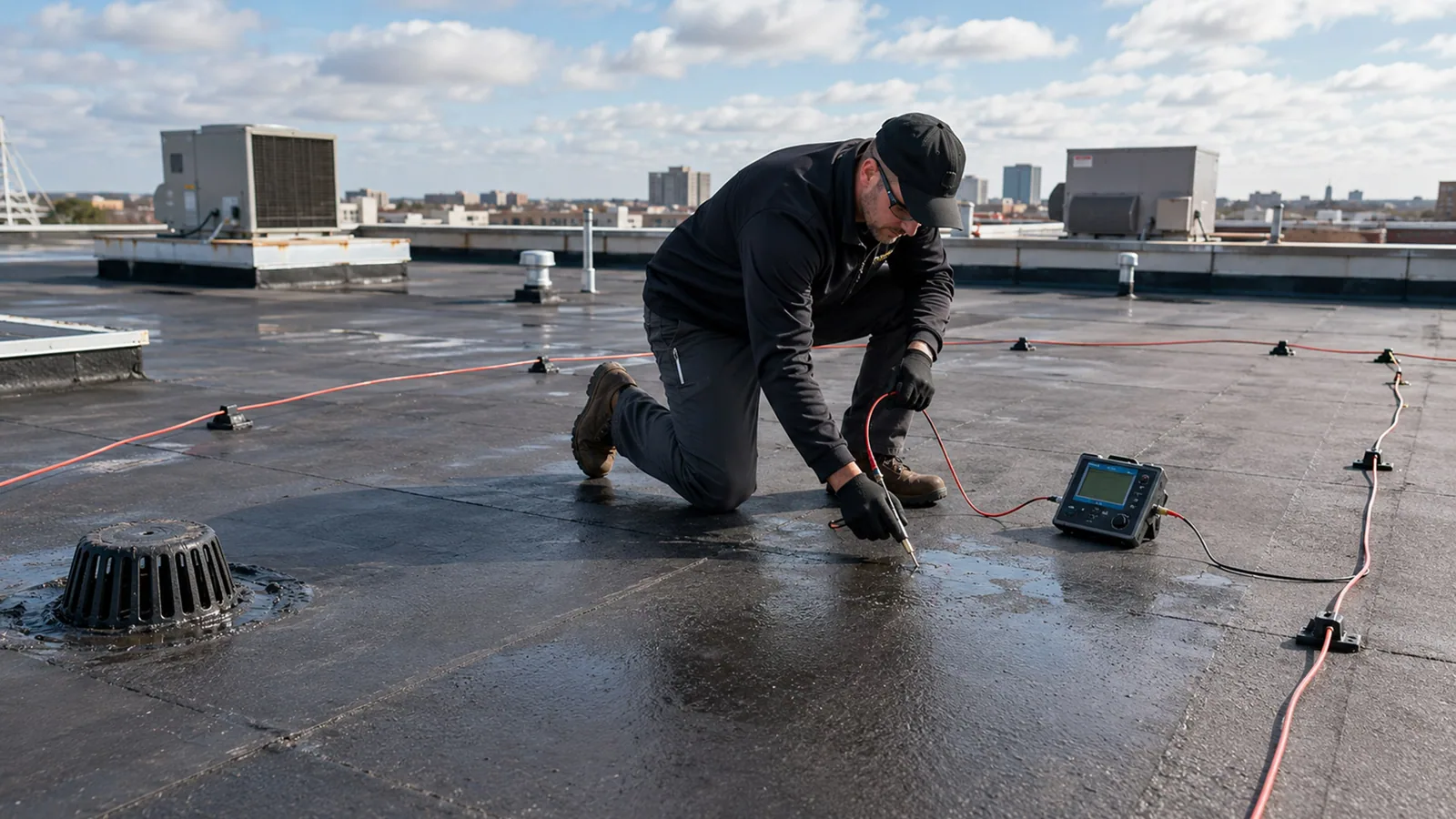
If water remains after clearing the outlet, added measurements can help distinguish settlement from a blocked path or drainage detail.
Dates can be grouped, but each address keeps its own access plan, findings, photos and approved repair limit.