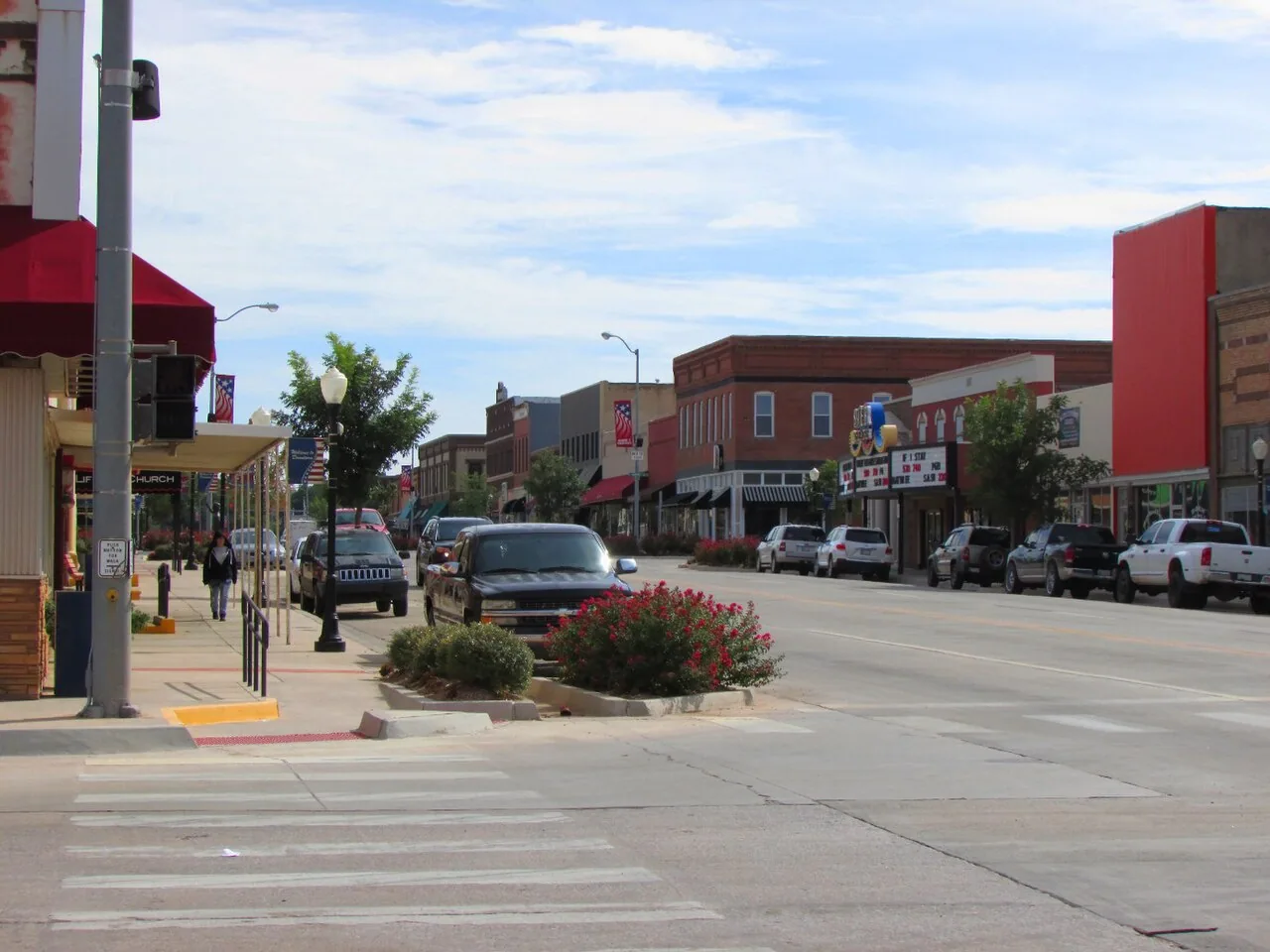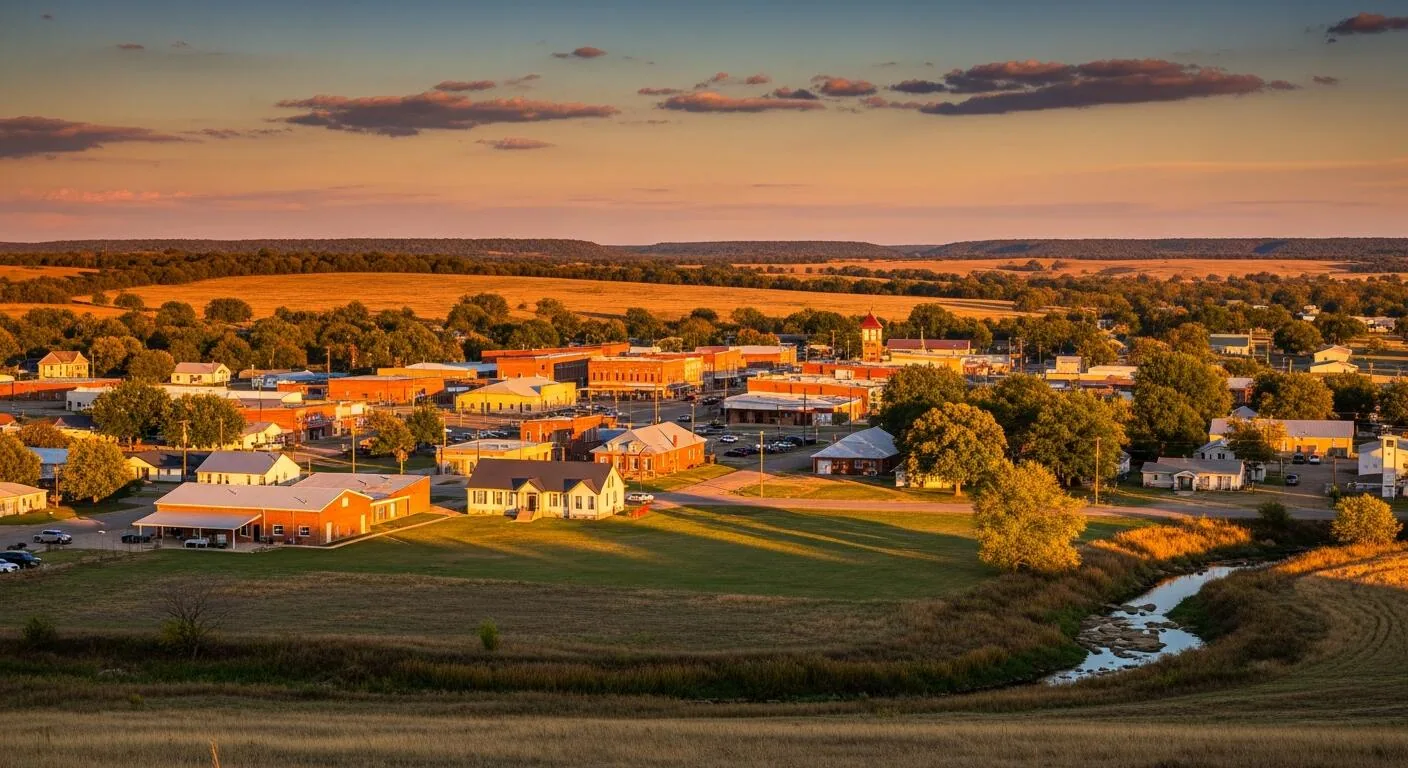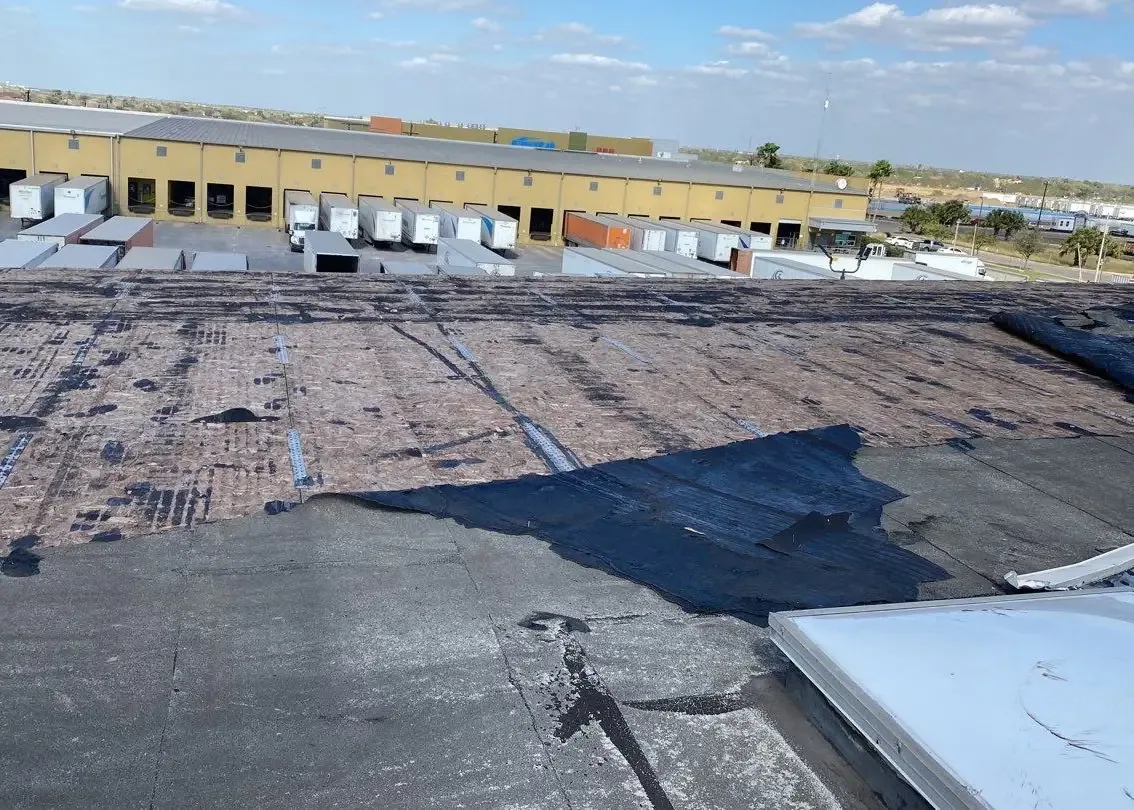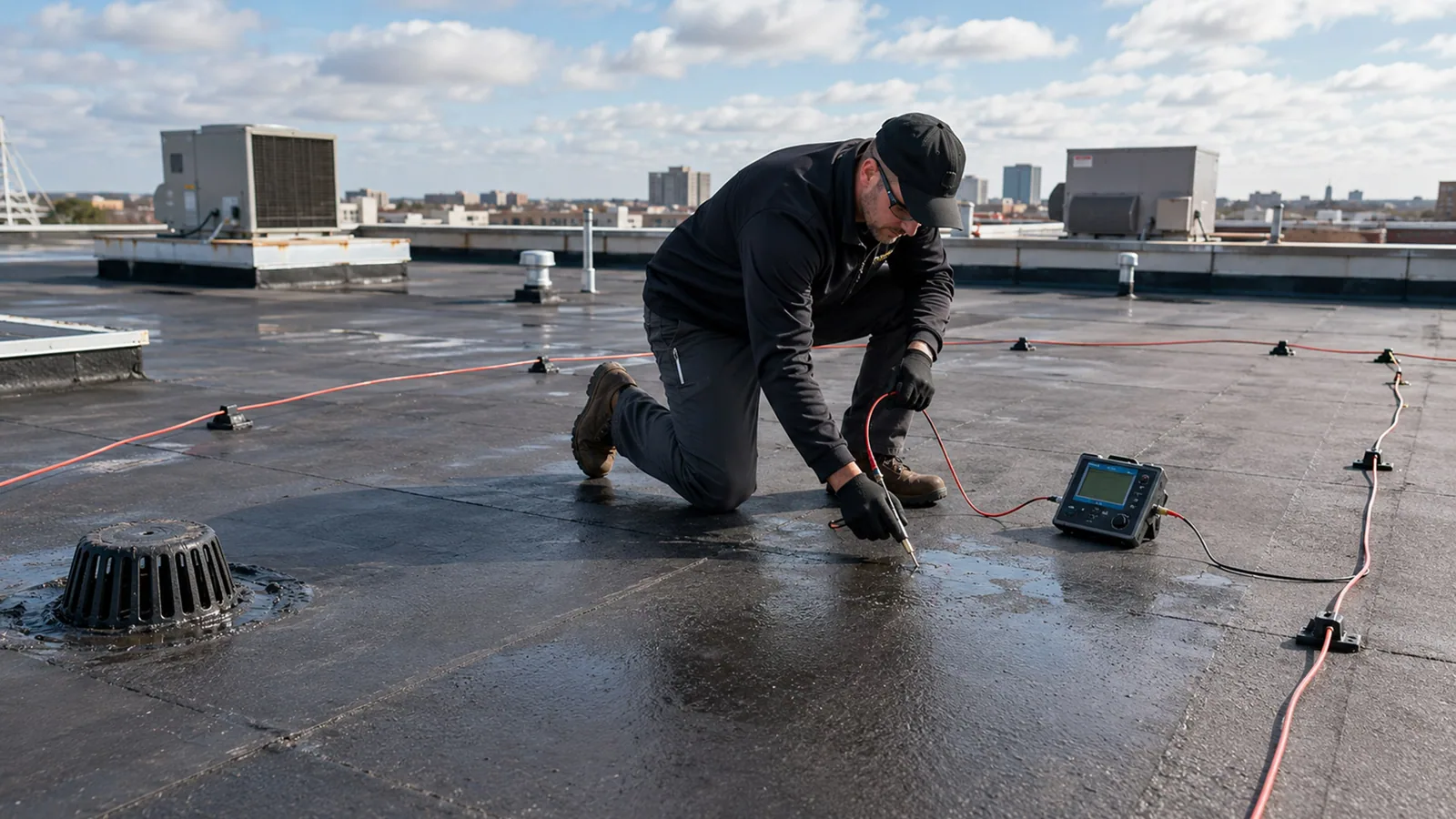

A small business roof needs a repair plan that fits the property’s access. Arcadia lies on historic Route 66 north of Oklahoma City, six miles east of Interstate 35 at Exit 141. The town sits near metropolitan employment and services while retaining a rural community character. We inspect the actual roof before choosing a correction. The commercial roof inspection checks panels or membrane, flashings, perimeter attachment and drainage. The owner receives a marked work area and a staging plan suited to the building rather than a generic corridor estimate.
A rural commercial property can have a long approach drive, shared parking or limited turnaround space. We confirm vehicle height, gate width and where a lift or delivery truck can stand. A crew route should leave customer entry and emergency access clear. If materials arrive in separate loads, the property contact approves each drop location. We keep tools and debris away from public paths. The daily work limit identifies what can be closed before departure, even when the drive is distant from town services.
Arcadia’s Route 66 connection may shape travel, but it does not reveal the roof construction. A Crescent property review can share a regional trip with a Cashion roof inspection; each address keeps separate findings. We record road approach and roof access independently. The manager identifies who can open gates, approve a lift route and release the work area. Those details reduce delays once the crew reaches the site.
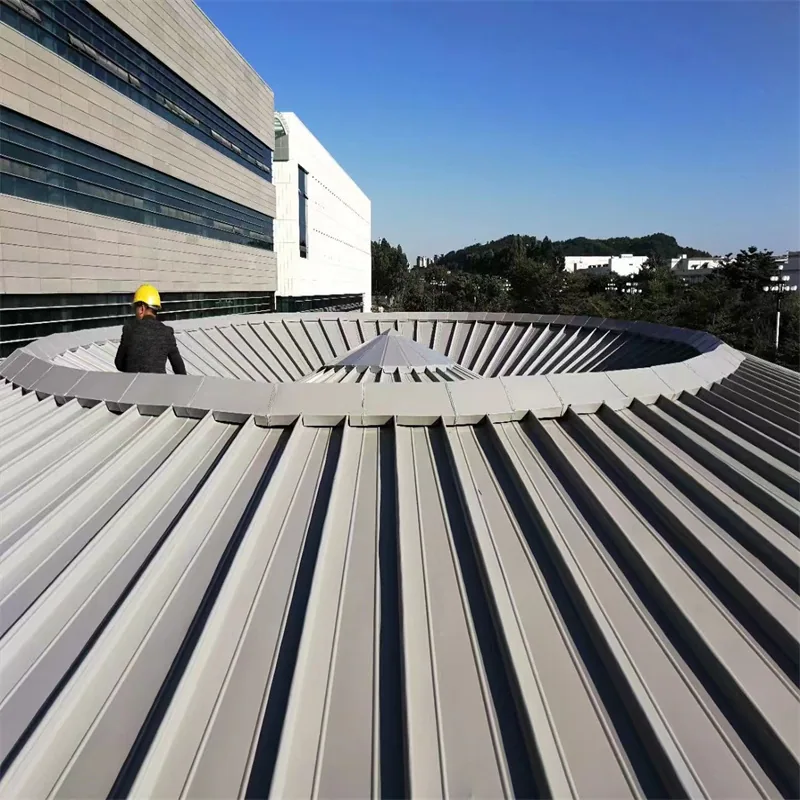
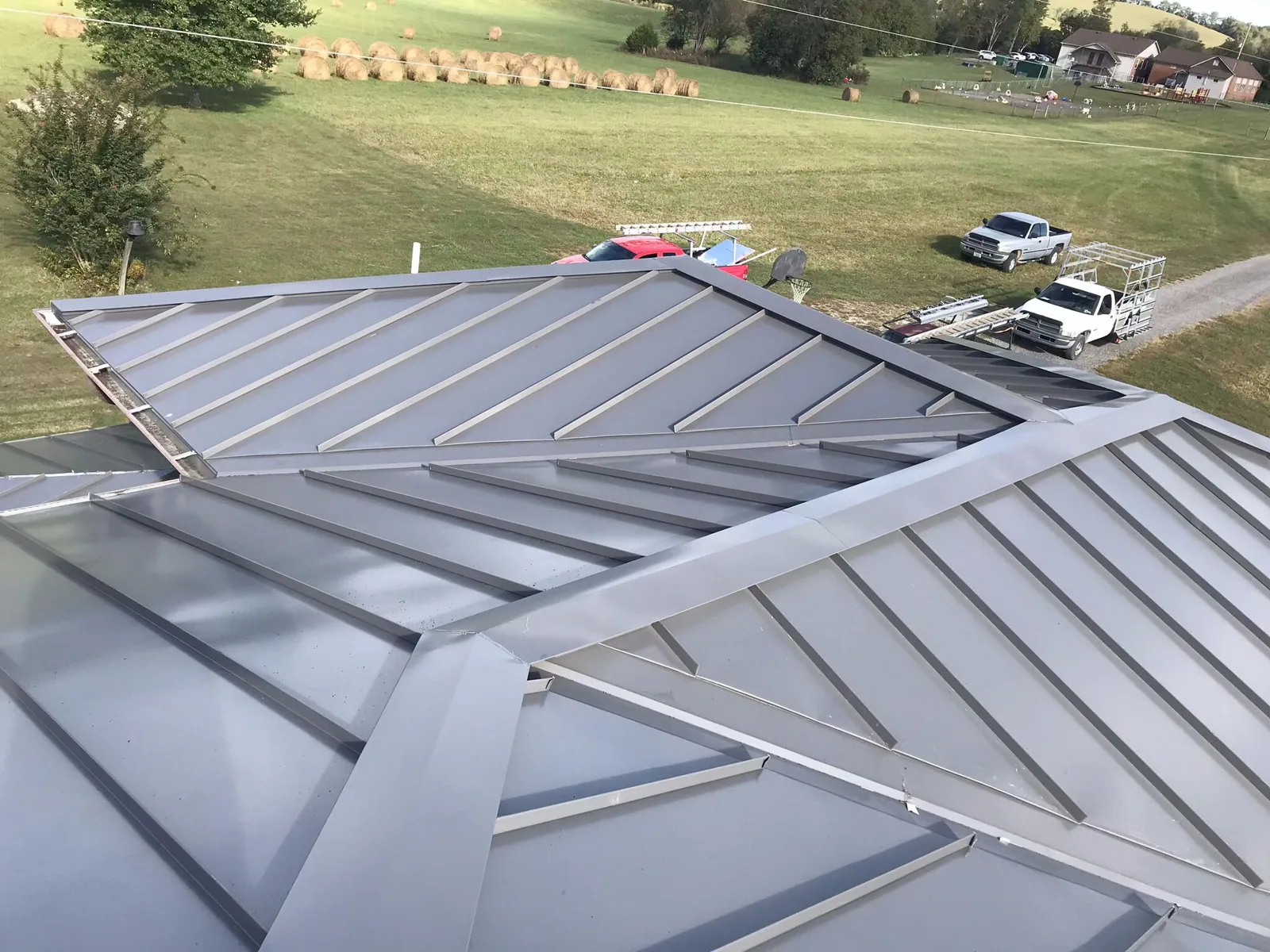
Metal roofing needs a profile and support check before repair. We note panel rib, coating, end laps and fastener line. A replacement screw must connect to firm framing and match the existing washer and closure. At a raised seam, clips must permit panel movement. We inspect transitions around skylights and equipment before ordering metal. The standing-seam inspection traces each joint and records where the panel connects. A repair that only covers a leak mark can leave a weak attachment untouched.
Low-slope roofs need a different inspection. We identify membrane, seam direction, curb returns and drain slope. If the building includes a later addition, we separate its roof plane from the original. The edge-metal review identifies backing and termination before removal. Photos show what was visible at the first visit. If a fastener or panel is concealed by another trade’s work, we mark the interface and seek owner direction before changing it.
Oklahoma’s warm season can bring heat exposure; spring storms can produce hail, damaging wind and tornadoes. Autumn has a second severe-weather period. These statewide patterns inform the work window but do not establish damage at an Arcadia address. We check current conditions before exposing a panel or membrane. The crew stages temporary cover and chooses a section it can secure that day. On an isolated site, we confirm the owner’s contact and after-hours response before work begins.
After a reported storm, we inspect actual roof and interior conditions. Photographs may show dents, shifted fasteners, lifted metal, punctures or water entry where present. A storm-damage review separates urgent protection from a permanent correction. We list the area examined and any test needed before pricing more work. A weather report alone is not a repair scope. The owner approves an expanded opening after seeing the condition and its measured boundary.
We locate the outlet and trace the roof surface toward it. On a low-slope roof, we inspect the basket, bowl, clamp, overflow and flashing. On metal roofs, we check valleys and gutters for debris, loose seams and discharge points. Clearing leaves or sediment can restore flow. A split flashing, failed gutter joint or loose clamp needs a compatible repair. If water remains after cleaning, measurements can show whether settlement or a low area affects the slope.
Distance from a service yard can make a repeat visit costly, so we document each drain and roof plane. The drain and scupper service records what was cleaned and what was repaired. A visible water test may confirm the immediate outlet path when conditions permit. We also photograph any overflow restriction. The owner can then schedule maintenance around actual debris zones rather than relying on an interval that ignores the building’s roof and surroundings. We also note gutter discharge and any splashback near the wall. On a metal roof, the lower edge needs a secure termination where runoff leaves the panel. A clear drain does not correct an undersized or disconnected outlet, so that condition remains a separate scope item.
Before ordering a panel or patch, we confirm the existing material and the surface that receives it. Metal profile, gauge and finish matter; membrane type and seam arrangement matter just as much. Thermoplastic material uses a prepared test weld. EPDM requires system-compatible primer and flashing. Closures fit the measured rib instead of a catalog photograph. The estimate names the detail and quantity. If the supporting deck or frame is damaged, that issue is documented separately from the roof covering.
A coating may restore a compatible field, but cannot correct a loose panel or weak backing. A TPO repair uses a different procedure from metal-panel replacement. Where multiple roof planes need renewal, a replacement proposal separates removal, insulation, perimeter work and drainage. We identify which area can proceed and what requires approval. The owner can phase procurement and access without paying for materials before the assembly is confirmed.
At closeout, the crew checks repaired laps, fasteners, flashings, drains and access routes. Photos capture concealed work before covering and the finished connection. We list the roof plane and material so a future service call starts with a useful record. The roof condition report notes completed work, held conditions and follow-up timing. For several rural properties, each building keeps its own map. Travel routes can be shared, but roof findings cannot be blended.
Maintenance is easier to plan when the owner knows which areas need review. We note loose debris points, equipment access and the details that warrant another look. A later visit can verify the repair after seasonal weather. Ask us to examine the Arcadia roof’s approach, panel or membrane and drainage path. That review helps determine staging, closeout and the right repair boundary. The facility contact can prepare access before a crew travels to the property.
Arrange a close review of the roof profile, approach drive and drainage. The visit helps settle staging, material choice and the daily closeout boundary.
Yes, after access, gate width and equipment location are confirmed. We plan delivery and lift routes with the property contact before mobilization.
No. Travel context helps with scheduling. We inspect the actual panel, membrane, attachment and drainage before recommending materials.
We photograph observed roof and interior conditions, mark the inspected area and separate temporary protection from permanent repair.
Cleaning may restore an obstructed path. Damaged flashing, loose connections or continuing ponding may need a measured repair.
Travel may be coordinated, but each address retains a separate inspection, access plan and approved scope.
We verify the assembly and required detail before ordering. That reduces the risk of bringing an incompatible panel, closure or membrane patch.