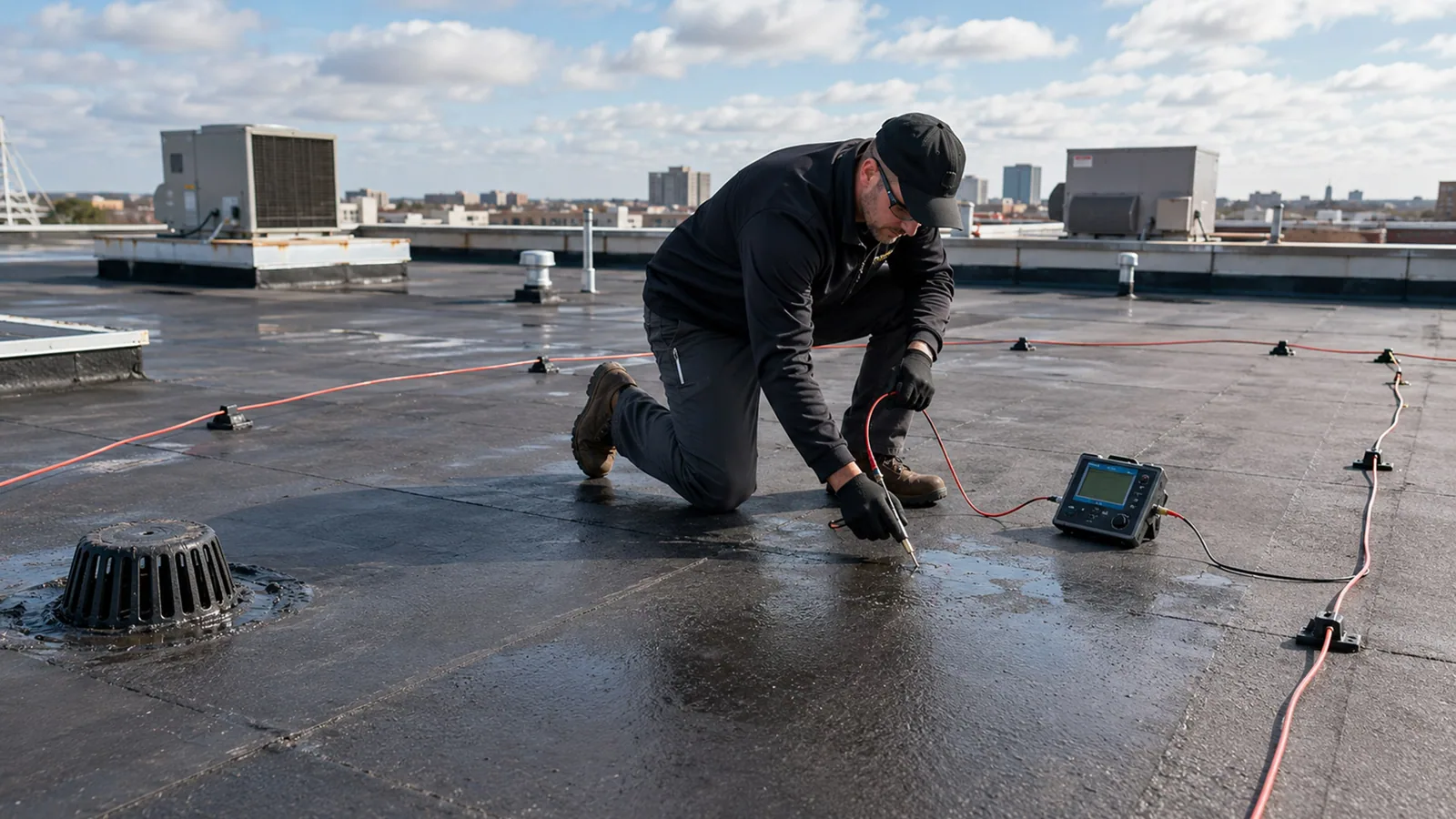

A grain-handling roof must shed weather without disrupting truck movement below. Cashion sits at State Highway 74F near the Kingfisher and Logan county line. Wheat farming and grain businesses shaped its commercial history. We inspect the actual structure before choosing a repair. The commercial roof inspection checks roof profile, fasteners, seams, flashing and drainage. It identifies the work that can be priced now and the condition requiring closer examination. The property contact receives a staging route and a defined repair boundary before equipment arrives.
Grain, farm supply and service buildings can have large vehicles moving through a tight yard. We map truck turns, unloading areas and overhead clearance before setting a material drop. A crane or lift must not occupy a route without owner coordination. The crew separates roof access from traffic circulation and confirms a spotter when equipment moves. We schedule noisy or obstructive work around operating windows. The daily plan states where a truck can pass while a roof section remains protected. Before mobilization, we confirm whether yard traffic shares the gate, where a spotter stands and how emergency access remains open.
Cashion’s county-line location and connection to nearby commercial centers can affect travel planning. Each work address still receives its own roof record. A Crescent roof review can be grouped with a separate Guthrie inspection, but access notes and repair scope stay separate. The manager identifies the active operator and a person who can release the work zone. That coordination keeps a scheduled visit from obstructing loading or service deliveries.
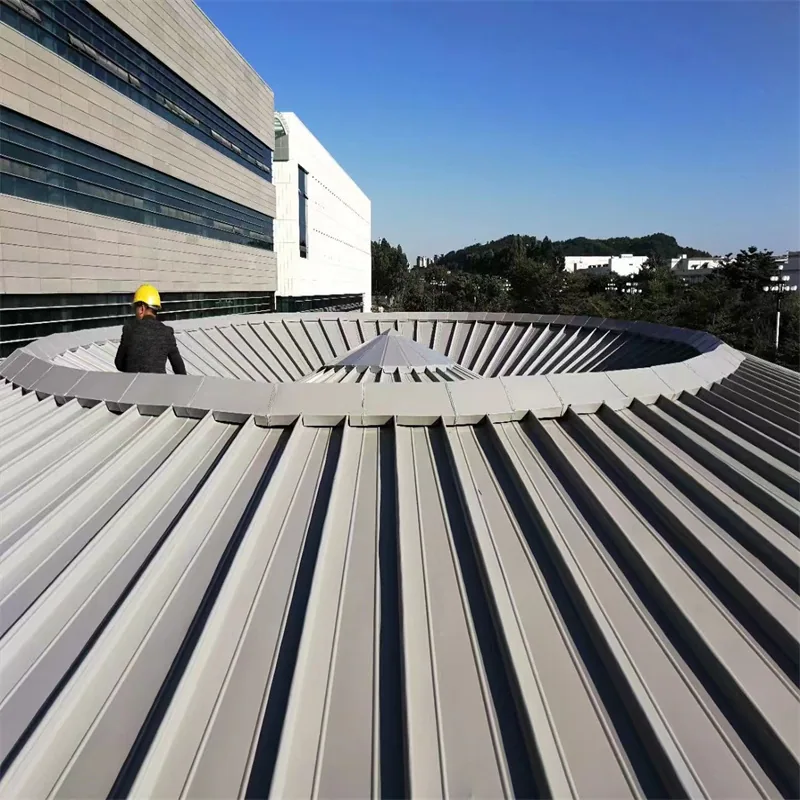
A high-bay shed or metal agricultural building can use a different panel than a low-slope office. We inspect rib spacing, panel length, side laps, closures and fastener lines. At each penetration, we check how the flashing meets the raised profile. Replacing a screw without restoring the seal washer may leave the opening vulnerable. A standing-seam panel inspection confirms whether clips allow movement. For through-fastened panels, the repair identifies the receiving purlin and closure shape before new fasteners are selected.
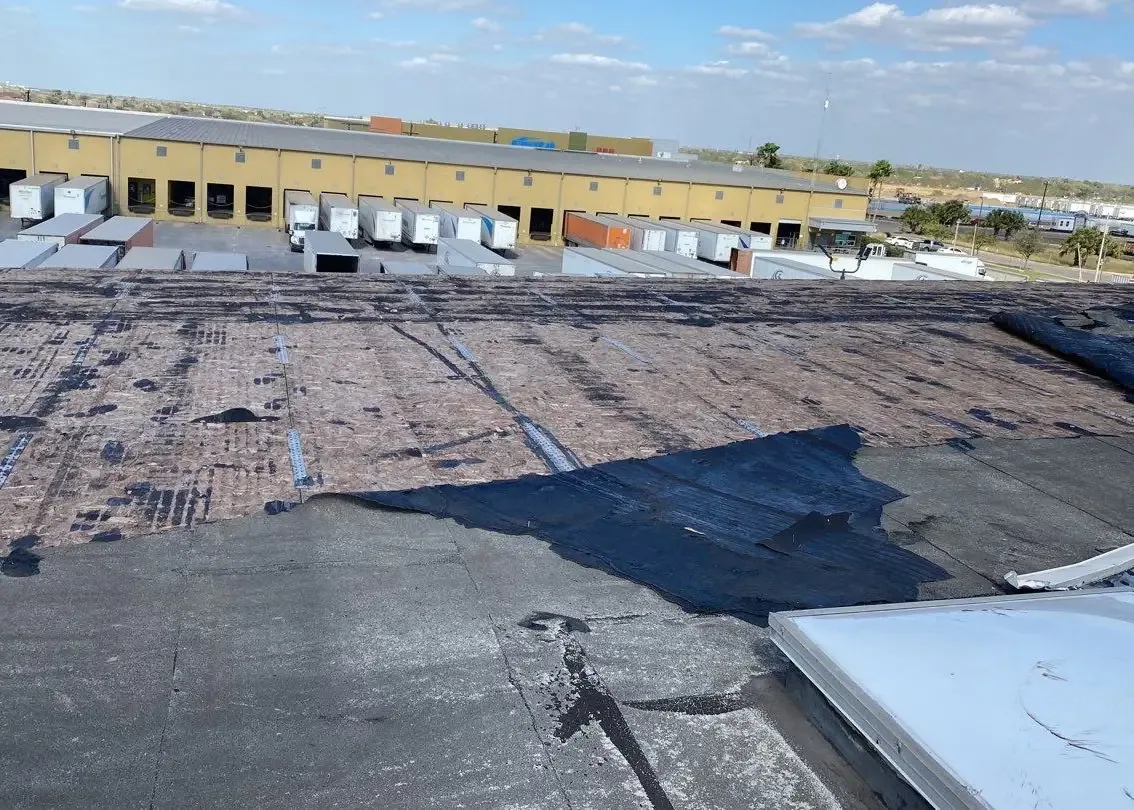
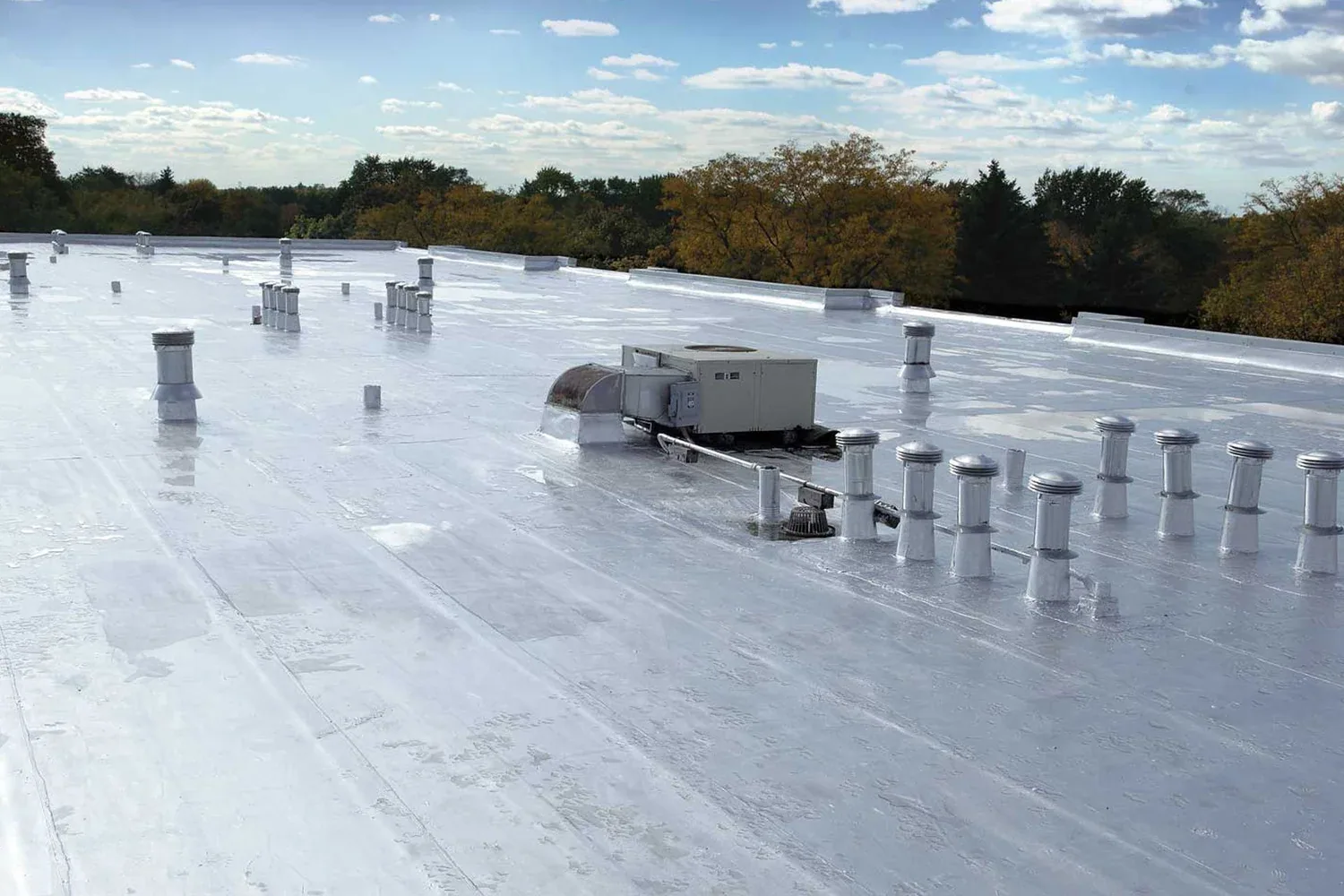
On a low-slope commercial structure, membrane seams and edge metal require a separate examination. We locate scuppers, drains and low areas before planning removal. The written scope names the system and repair length. Photos capture the panel or sheet before work begins. If the profile changes at an addition, we mark that transition rather than using one repair detail across both roof sections. A material list follows the installed construction, not a nearby building that only appears similar from the ground.
Oklahoma summers can be hot, and severe thunderstorms can bring hail, damaging wind or tornadoes during spring. Autumn has another storm period. These statewide conditions guide work timing; they do not establish damage to a Cashion roof. We check current forecasts and set an opening limit that can be secured the same shift. For metal work, we keep loose panels and fasteners controlled. For membrane repairs, we stage cover and welding tools before removing material. The work plan includes a stop decision if wind rises.
After a weather report, we inspect the actual roof and interior. The report notes dented panels, displaced fasteners, punctures, wet insulation or water entry only where observed. A storm-damage inspection distinguishes immediate cover from permanent correction. We tie each repair to an area and photograph. If operations cannot pause, the crew coordinates the inspection path to avoid active unloading. The owner approves a broader opening only after reviewing what the first inspection found.
Dust and chaff can collect around roof drains, fans and low seams. We inspect the visible drain basket, bowl, flashing and overflow. Then we trace where windblown material settles. Cleaning restores flow when the drain remains sound. A loose flange, failed seal or rusted metal needs a compatible repair. We separate routine clearing from construction and show each line in the estimate. If ponding continues after debris is removed, measurements can determine whether slope or a roof transition is contributing.
Rooftop exhaust and dust-control equipment need service clearance after the repair. We record access paths and avoid staging debris around an intake. A drain and scupper repair should keep the overflow available while maintaining a clean connection at the primary outlet. The closeout records whether a water test was performed. Maintenance can return to known accumulation areas on an interval that matches actual operating conditions, instead of repeating a generic cleaning cycle.
Panel replacement depends on more than matching color. We check gauge, rib profile, coating, purlin location and the fastening pattern. Closure pieces need to fit the panel and block wind-driven water. A screw should engage sound framing, not a stripped hole. Where a panel is cut for equipment, flashing must shed runoff past the opening. We document metal thickness and connection details before ordering pieces. If the supporting frame is damaged, that condition is listed separately from roofing work.
Membrane roofs call for compatible sheet, primer or weld procedure. A TPO repair starts with the existing membrane and a clean sample area. A roof coating cannot correct loose panel attachment or an unsealed penetration. When a larger replacement is considered, a replacement proposal separates decking, insulation, drainage and roof covering. The operator can then compare repair with a broader project without mixing building-frame work into an unverified roofing allowance.
At closeout, the crew checks fasteners, laps, flashing, drains and equipment access. Photos show the repaired detail and any area intentionally left for another phase. The work record names roof section, material and work date. A roof condition report gives the owner an organized basis for maintenance and budget review. If the same operator manages several structures, each gets its own map and findings. That file prevents a later repair from being assigned to the wrong roof profile.
Grain-handling schedules can shift with deliveries, harvest activity and equipment needs. The manager can use the closeout record to choose an inspection window and protect access. We identify when a fastener check, drain review or flashing observation should be repeated. Ask us to examine the Cashion building’s roof profile, truck route and water path. That visit helps decide whether to repair a limited connection or plan a broader project with the operator’s calendar in view.
Arrange a close inspection of the building’s panel or membrane, truck route and drainage. The visit helps set a safe repair boundary before staging.
Often, when truck turns, staging and access are planned. We confirm loading windows and define a safe route before equipment arrives.
No. Panel profile, framing location, metal thickness and exposure determine the connection. We inspect those details before ordering fasteners.
We inspect actual panels, fasteners, flashing and interiors, then document observed conditions. Temporary protection and permanent repair remain distinct.
We clear visible accumulation and inspect the basket, bowl, flashing and overflow. A damaged connection is scoped separately from cleaning.
Visits may be grouped, but every structure gets its own profile, photographs, access plan and approved repair boundary.
We document the exposed condition and separate frame work from roofing. The owner reviews scope and trade responsibility before the project expands.