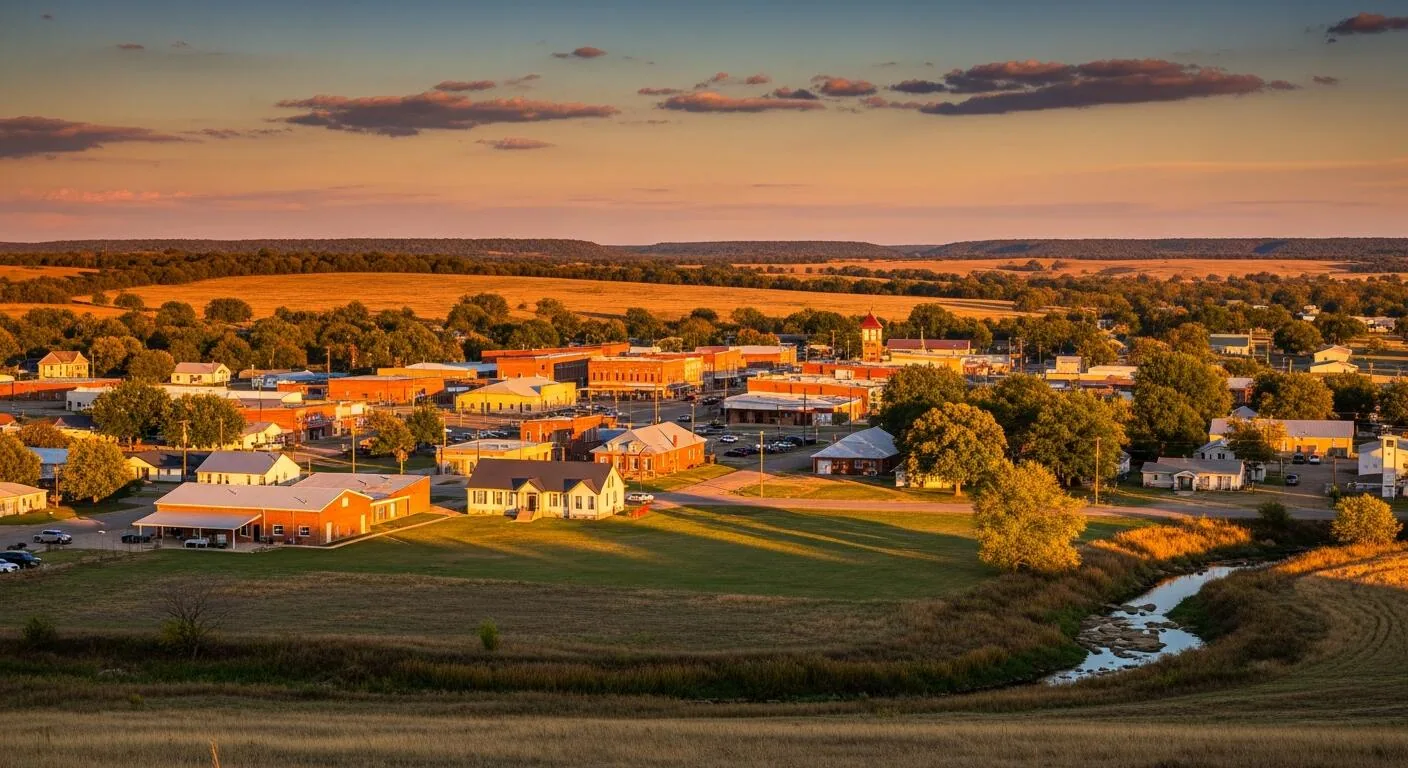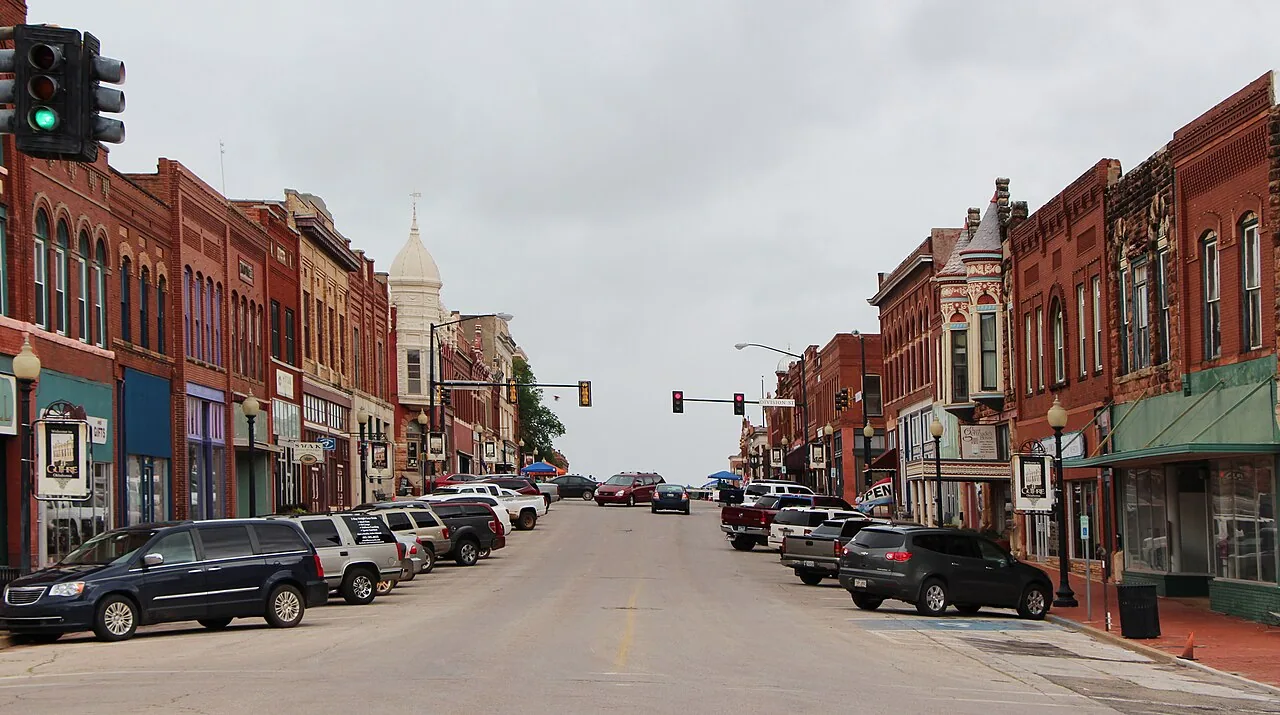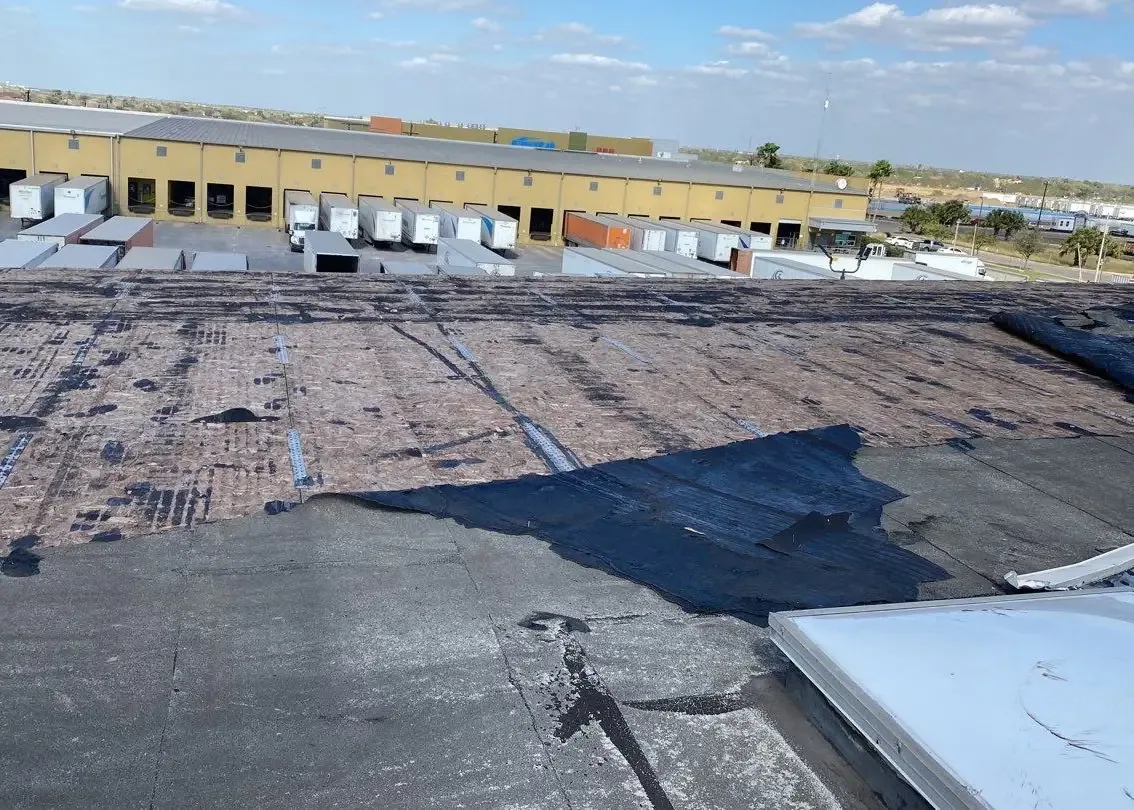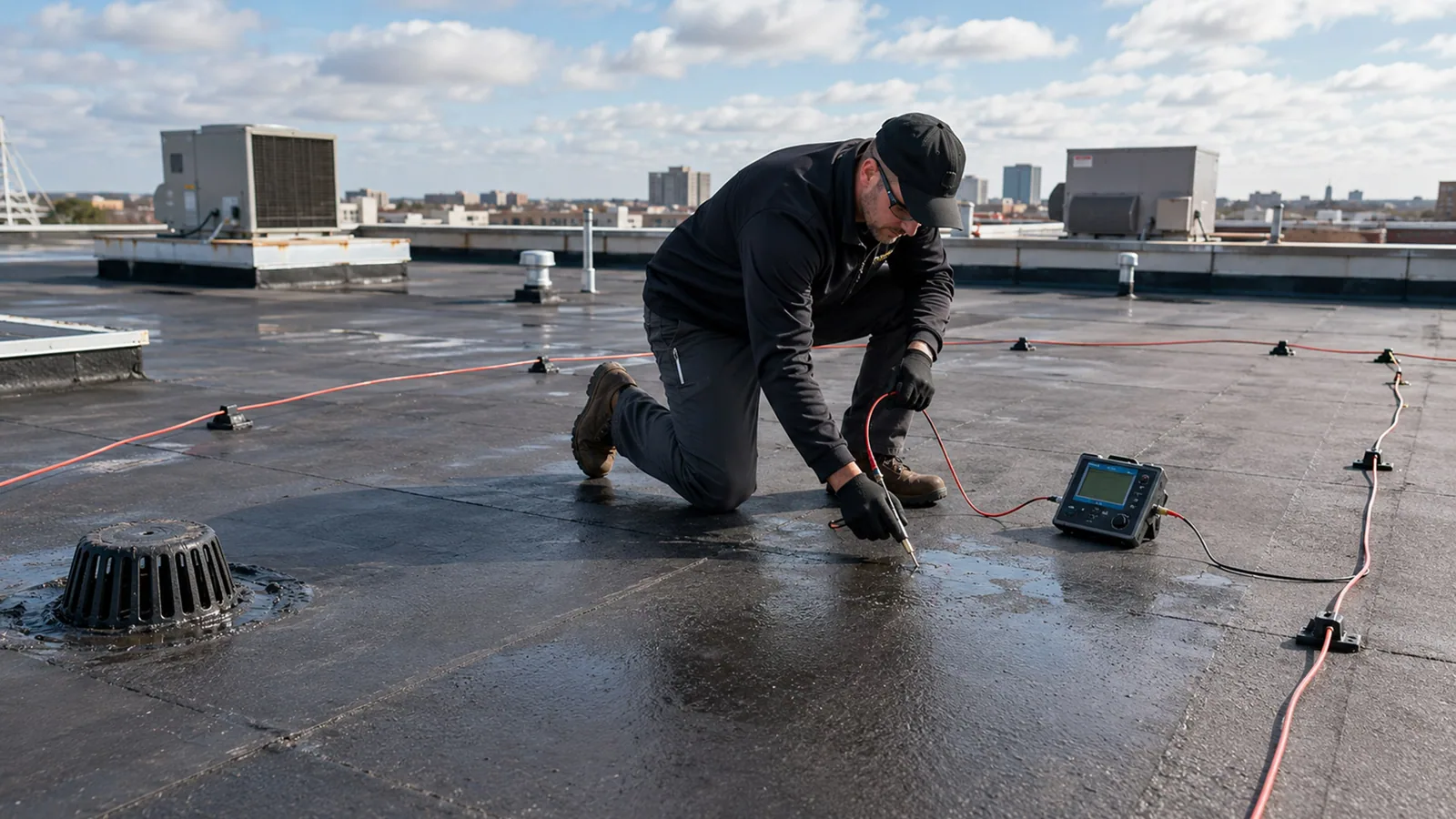

A light-industrial roof needs a repair that keeps equipment access clear. Crescent sits in west-central Logan County where State Highways 74 and 74C meet. Agriculture and light industry support the town’s economy. We inspect the actual roof before selecting material or setting a price. The commercial roof inspection records panels, seams, penetrations, drains and edge attachment. The owner receives a map of the work area and any test needed before scope expands. That starts the project with an assembly-specific decision instead of a generic estimate.
A service yard may carry forklifts, trucks or seasonal equipment. We confirm overhead clearance, loading times and roof access before placing a lift or staging metal. The crew marks pedestrian routes and keeps debris away from machinery intakes. If equipment must remain active, the site contact identifies shutdown limits. A small roof opening can still interrupt production if the path below is poorly planned. The daily closeout states which area is sealed and which route stays available. Before mobilization, the supervisor confirms gate width, overhead clearance, equipment parking and the time trucks clear the yard. Those details guide lift selection and material handling. If shipment timing changes, the manager can shift the opening sequence without leaving an exposed area overnight.
Crescent’s agricultural and light-industry context can shape access, but each building needs its own inspection. A Cashion roof review or Guthrie property inspection can be grouped with a separate visit. Records remain address-specific. The manager confirms who can release access and who approves a scope change. If a roof sits above stored materials, the work plan identifies protection below before removal begins.
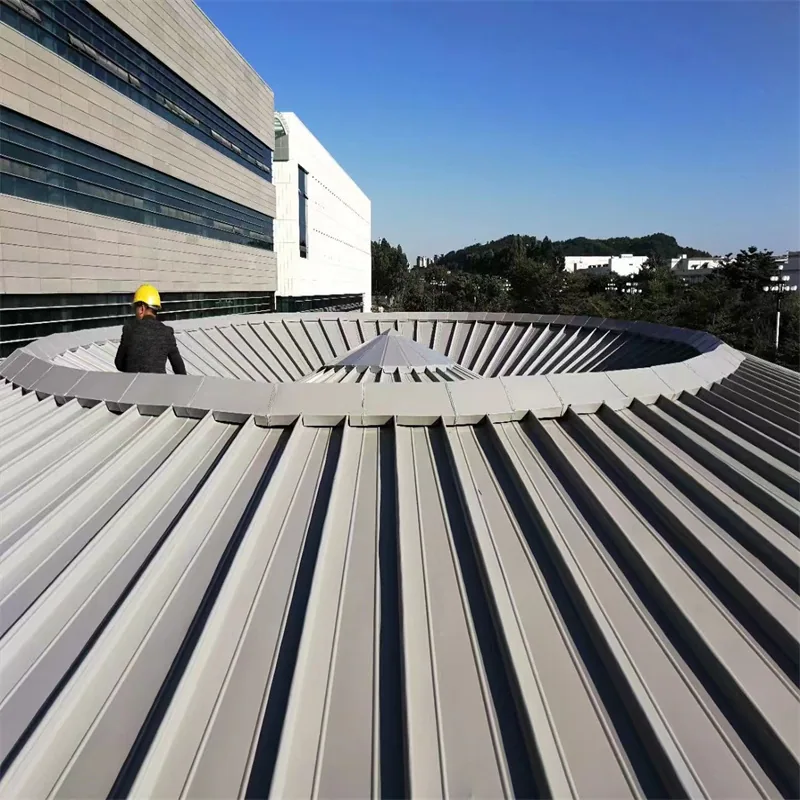
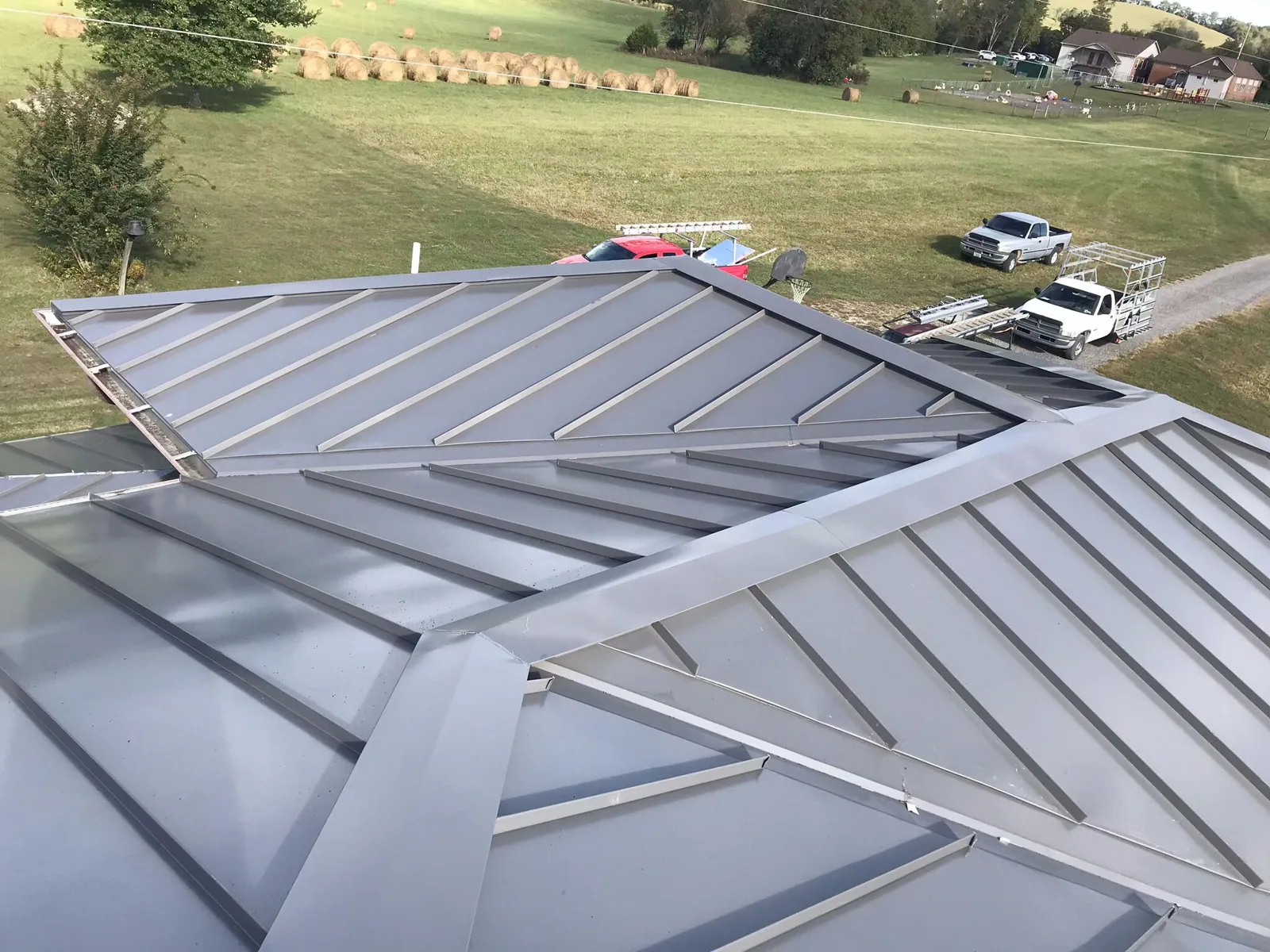
Metal roofing repairs depend on rib shape, gauge, panel length and support location. We inspect the seam or through-fastened profile before ordering closures. A screw must bear on firm framing and use a seal washer suited to the connection. End laps need a water-shedding overlap. At raised seams, clips should permit movement. The standing-seam roof inspection traces each rib and attachment line. We photograph the detail and identify the section to be removed.
On a low-slope membrane roof, sheet direction and drain slope drive the repair. A change in roof height may hide a loose termination or trapped debris. We mark where each assembly begins and ends. A perimeter repair should match the actual backing and metal profile. If the damaged panel connects to another trade’s work, we document that interface and get approval before altering structural members or adjacent equipment.
Oklahoma summers bring sustained heat, and severe storms can produce hail, strong wind or tornadoes during spring. Another active period can occur in fall. Those statewide patterns inform scheduling but do not diagnose a roof in Crescent. We select a work window based on current conditions and the material procedure. The crew stages temporary protection before opening the first panel or membrane section. A defined stop point lets the foreman secure the work before the shift ends.
When a storm is reported, the inspection documents observed roof and interior conditions. Photos can show panel dents, displaced fasteners, open seams or water entry where present. A storm-damage roof review separates emergency cover from lasting repair. We note which area was checked and any test still needed. A weather event alone does not set a replacement quantity. The owner sees evidence tied to an address and approves additional removal after reviewing its limits.
We inspect gutters, scuppers, drain bowls and overflow paths at the building. On a metal roof, we check valleys, laps and discharge points for loose debris. On a low slope, we trace ponding toward the outlet. Cleaning and construction are separate: a clear basket may restore flow, while a split flashing or loose connection needs repair. If standing water remains, measurement can identify low areas before insulation or slope work is priced.
Dust, leaves and packaging can collect where wind changes direction around equipment. We photograph the accumulation area and check the roof-side outlet. The drain and scupper scope keeps an overflow path usable. After work, a visible flow check can confirm the immediate result when conditions allow. If a buried leader needs separate verification, we identify that additional test. Maintenance can return to the same low point and compare whether debris is seasonal or tied to a recurring operating condition.
Before replacing metal, we verify thickness, finish, rib dimensions and the support beneath it. Closures block wind-driven water when they fit the measured profile. The fastening pattern must connect to sound framing. For membrane work, the crew identifies sheet and attachment and prepares a sample area. The selected material must bond to the installed surface. A coating may serve on a sound compatible field, but it cannot secure a loose panel or rebuild deteriorated decking. The estimate lists the repair area and material.
If removal exposes damaged purlins or wet insulation, the crew pauses and documents what is visible. The owner receives quantity and location before added work begins. A TPO seam correction uses a separate procedure from a metal panel. A broader replacement proposal can divide roof covering, insulation, drains and edge details. The facilities contact can approve phases around equipment moves without blending structural repair into the roof allowance.
At completion, we review panel laps, fasteners, membrane seams, drains and the access path. Photos identify repaired sections and any area held for another phase. We note material, limits and the date of work. A roof condition record helps the owner schedule inspection and maintenance. Each structure keeps a separate history, even when one manager oversees several sites. That file preserves which panel profile or membrane was inspected before the next crew arrives.
The next service can address a specific seam, outlet or edge connection rather than reopening unrelated roof areas. We list the observed condition, a reasonable follow-up trigger and any remaining test. Ask us to inspect the Crescent building’s roof profile, equipment routes and runoff path. That visit helps determine a repair boundary and a safe staging window. The owner can then coordinate work with harvest, deliveries or production while keeping access and closeout expectations written down.
Arrange a close examination of the Crescent roof’s panel or membrane, equipment route and runoff path. The visit helps set a safe work boundary.
Often, if access, overhead clearance and loading windows are coordinated. We set a staging route and daily stopping point with the site contact.
We measure rib profile, gauge, panel direction and support location. Those details guide closures and fasteners.
The report records observed conditions at each roof area and separates emergency cover from permanent repair. Additional testing is listed before scope grows.
We check the basket, flashing and water path. Cleaning may restore flow, while a loose connection or damaged membrane needs repair.
Travel dates can align, but each property receives a separate assembly record, access plan and approved repair limit. Each manager also confirms entry, equipment status and any safety escort before a date is shared. Findings never transfer between addresses, even when visits share a date.
The crew pauses, documents the exposed condition and asks for approval. Structural work remains distinct from the roofing allowance.