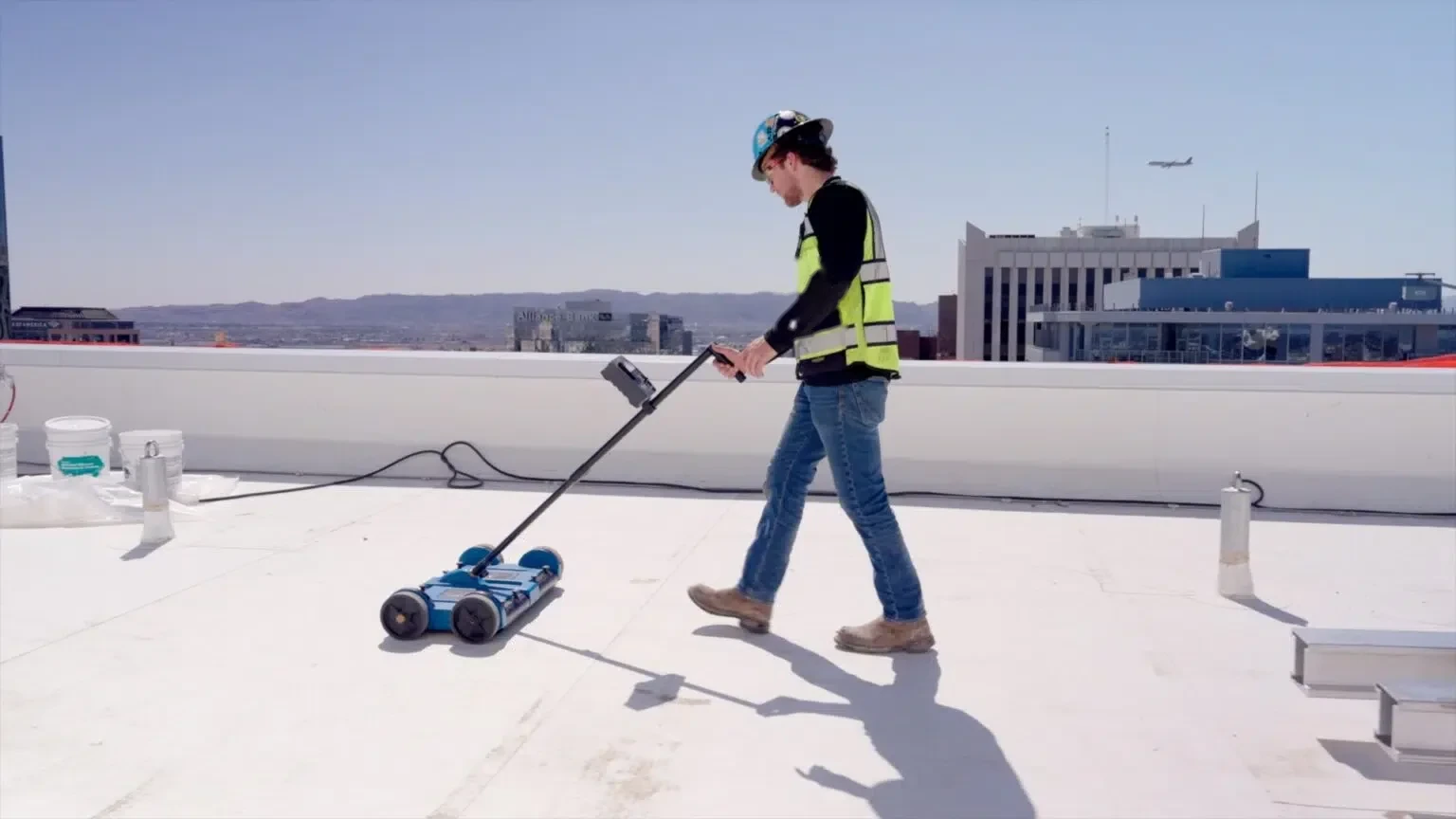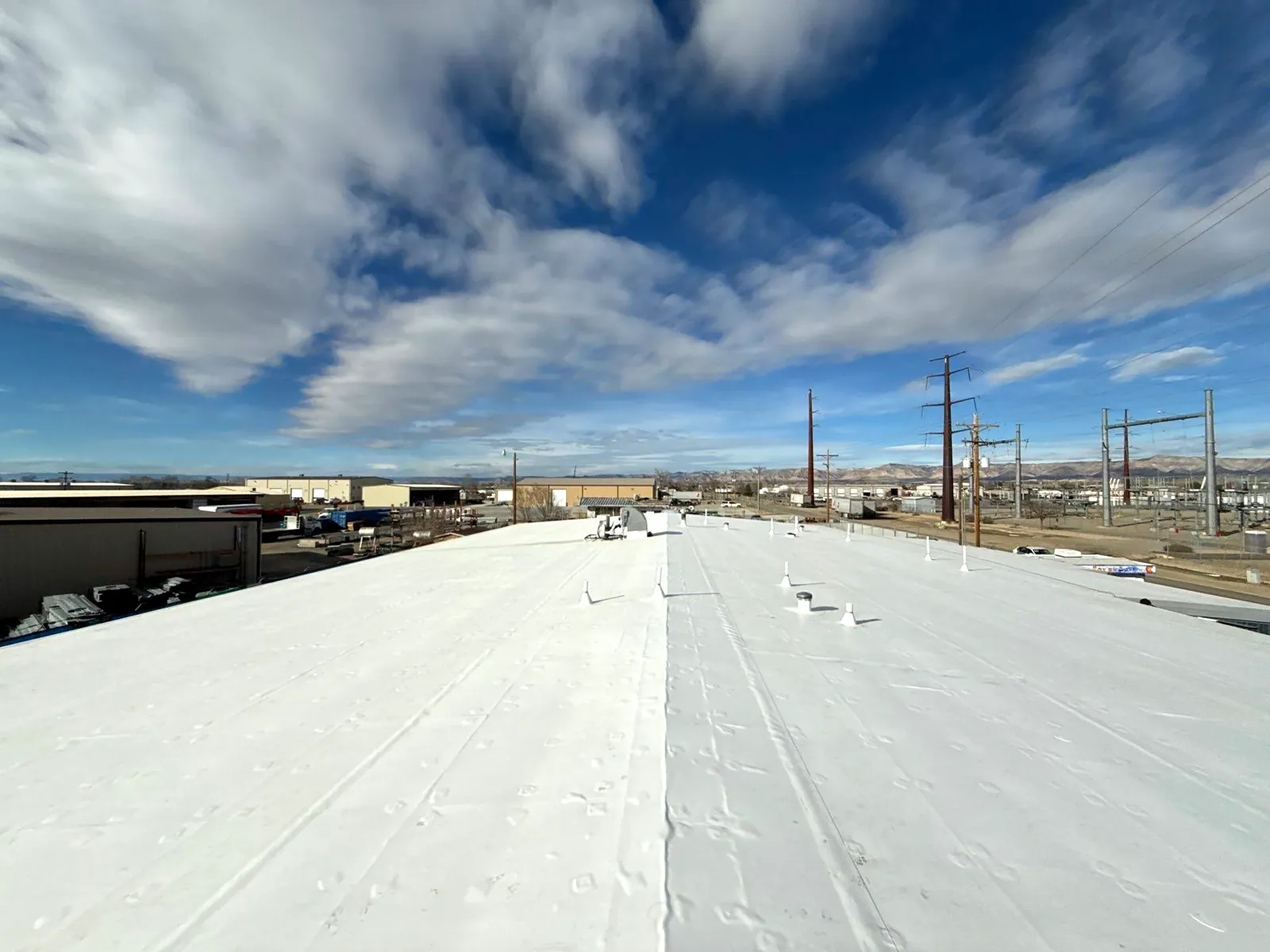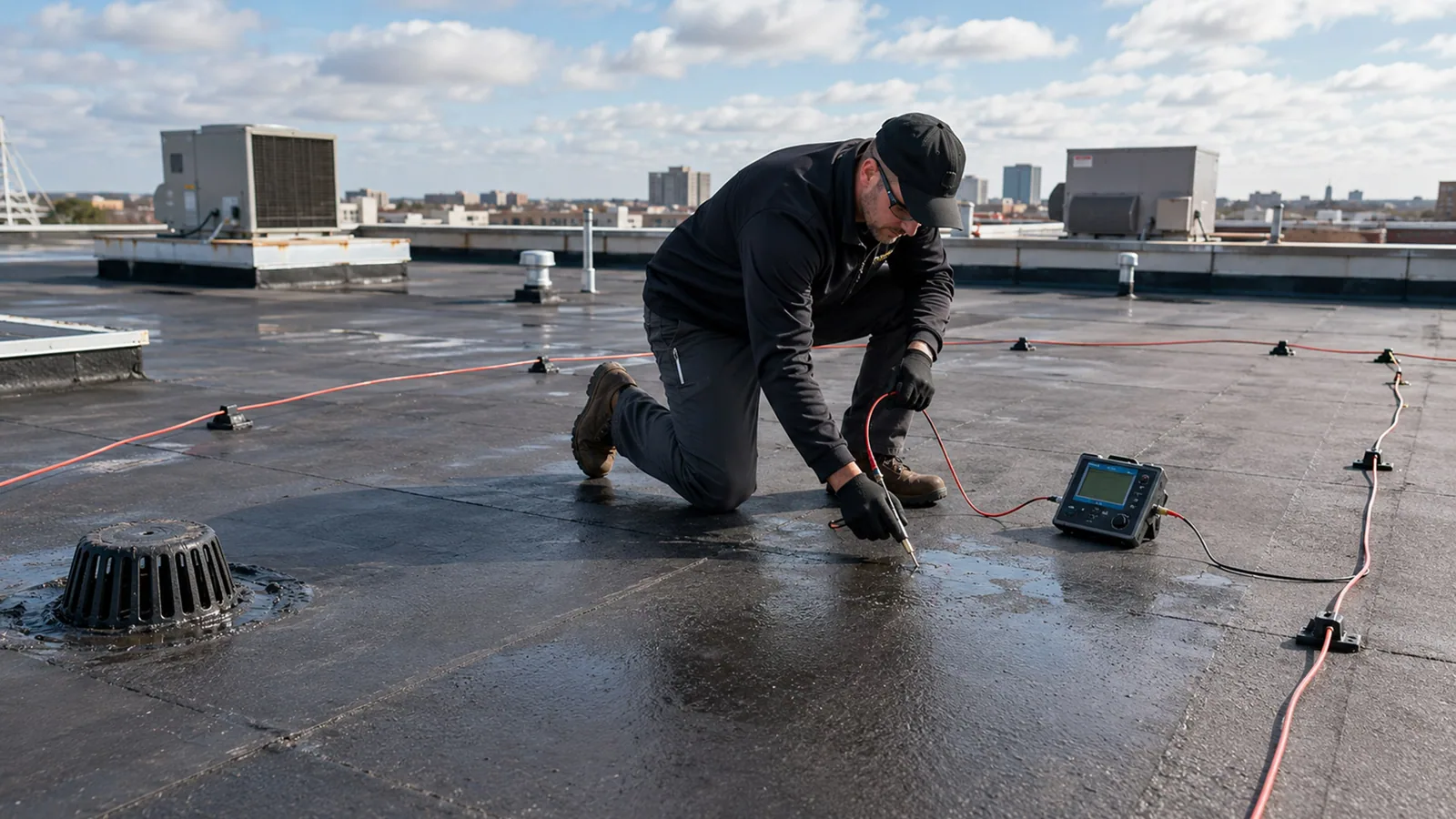

An office acquisition can retain a roof recover layer below its visible sheet. That concealed construction may change the useful next renewal option. Commercial Roofing Edmond performs roof due diligence surveys in Edmond, OK. We examine accessible covering, support and accessory condition for the proposed decision. The facility or transaction contact identifies usable access and occupied restrictions. Selected further checks may be necessary where retained layers remain uncertain. The buyer receives construction implications tied to actual components. A material name or previous completion date should remain separate from today's physical suitability for repair, recovery or replacement.
Oklahoma City has major medical and aerospace research centers within its business economy. Medical providers operate in Edmond alongside universities and business-incubator space. Guthrie contains manufacturing and industrial enterprises alongside downtown commercial shops. These settings can place valuable occupied equipment or stock beneath survey openings. We examine the actual property and proposed protected footprint. Its building use helps establish appropriate precautions with the authorized contact. The installed assembly defines the observations needed for a useful roof decision. The acquisition review retains those physical requirements alongside operating constraints that would affect subsequent construction.
A building can retain different coverings or field heights across its additions. Acquisition roof inspection distinguishes accessible material changes and their connecting details. We examine field seams, outlets, returns and equipment interfaces. Attachment or backing condition can affect local treatment. Useful findings stay associated with the actual component location. Restricted access may leave part of the roof requiring another check. We identify that area and the physical question still unresolved. The buyer receives an examination scope that preserves those limits while locating the observations useful for the intended asset decision.
Available completion information and relevant service history can help direct examination. A listed membrane does not identify every supporting layer beneath it. We assess accessible material instead of inferring retained suitability from its name. New equipment may also have altered curb heights and closure geometry. The survey should retain those changes where they affect construction. Drain relationships can differ between roof zones. We inspect accessible water approaches and component condition together. The buyer receives the covering description and interface findings separately. A useful assembly view contains more than a broad label for the building's roof.
A sound-looking field can conceal damp or displaced supporting material. Moisture-focused diligence examination may assist selection of further checks under suitable conditions. Direct examination can still be needed to establish the layer treatment. We identify useful locations against the actual assembly. Survey openings require appropriate access, protection and compatible closure. Damaged deck material may call for professional review beyond a roofing finish choice. The buyer receives that supporting task with its physical basis. Concealed uncertainty should remain an identified next examination rather than an assumed replacement quantity.
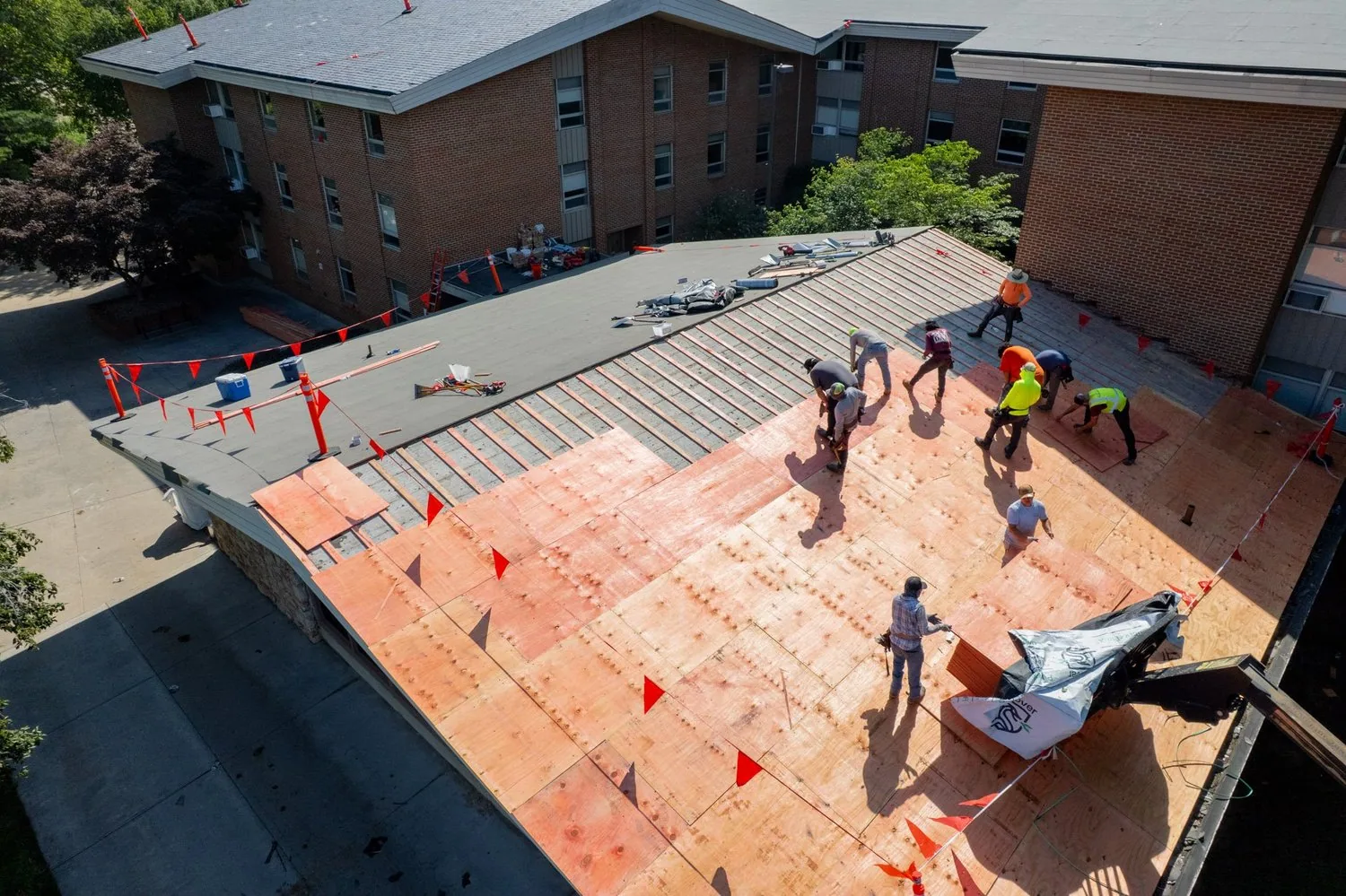
A planned recover option needs more retained-condition information than surface appearance alone. Applicable assembly and load review remain necessary for the project. Wet layers or unstable attachment can prevent a useful new field above them. We examine accessible backing and identify the next direct check where needed. A different treatment may be appropriate once those conditions are established. The survey should preserve that decision sequence. The buyer can then distinguish an observed local defect from a broader option still requiring supporting examination. The physical next task stays connected to the roof area it concerns.
An isolated seam or accessory defect may permit local reconstruction within serviceable roofing. Broad deterioration can call for a larger assembly treatment. Acquisition-stage recovery evaluation reviews retained layers and applicable project requirements. New insulation height can change useful curb returns and drain elevations. We inspect those relationships before presenting a field option. Another trade may need a component alteration before roofing closes. The buyer receives removal, support and accessory consequences together. An option should remain complete enough to distinguish its physical construction from a different covering choice.
Acquisition roof capital review connects current observations to useful investment tasks. Options can differ in disposal, deck attention and occupied protection. Appropriate design, permit and inspection responsibilities require confirmation for the intended construction. We describe those interfaces where they affect the scope. A date-based remaining-life prediction cannot replace the material and support findings. The buyer receives local care needs and broader renewal implications separately. Further examination may be needed before a particular option is assigned. That task belongs with the decision instead of disappearing behind a broad asset allowance.
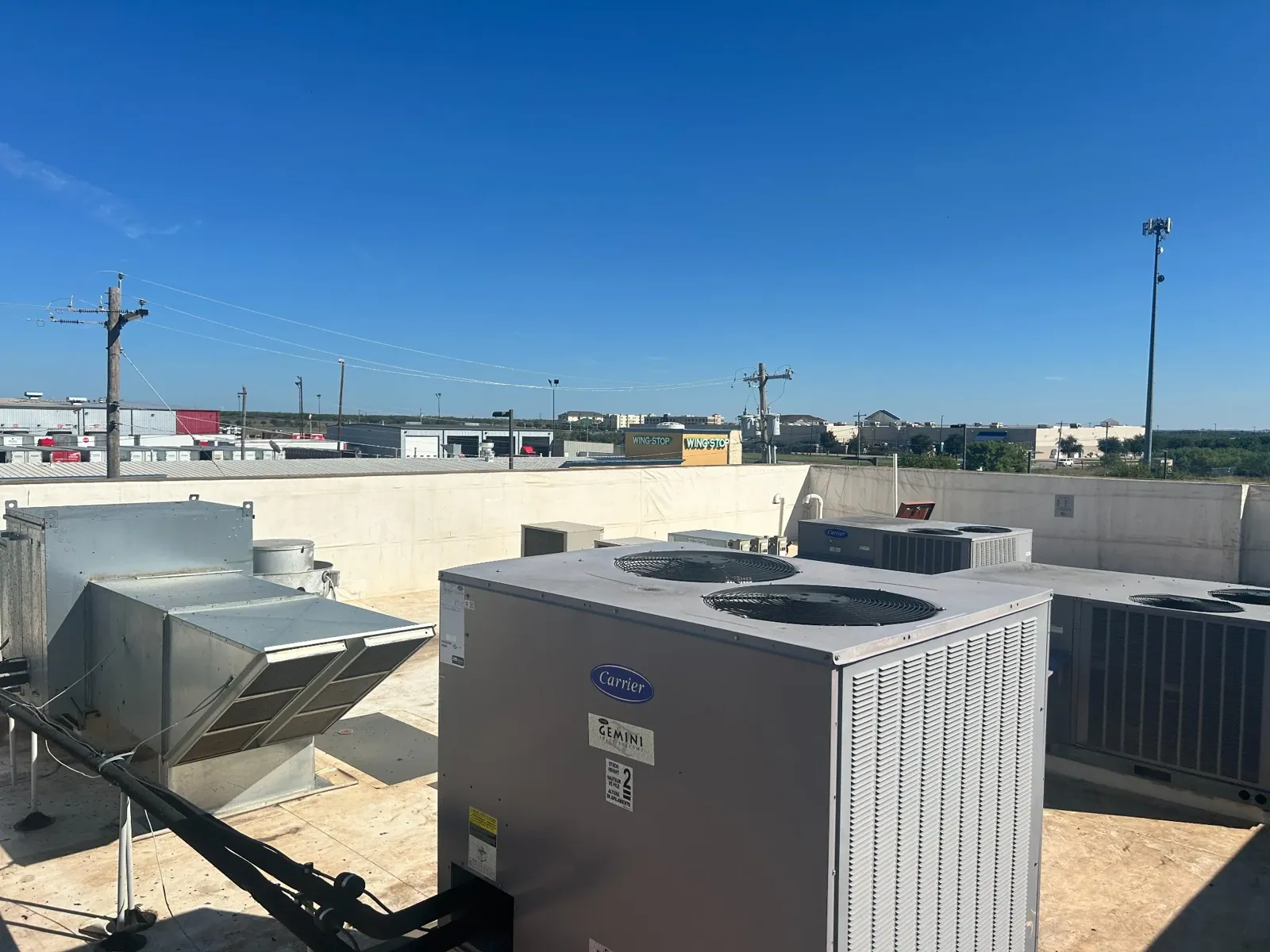
A retained equipment curb may have limited height above a previous roof addition. Equipment interface examination identifies available return dimensions and supporting condition. Mechanical specialists handle equipment requirements and needed operating controls. New support arrangements may need appropriate design review. The survey retains roof-side tasks required after their action. Service clearance should remain useful in any proposed renewal. A covering option must fit the final equipment configuration. The buyer receives those connected physical implications before treating the field assembly as a complete investment scope.
Occupied asset roof decisions relate the intended opening to tenants, contents and equipment below. We describe removal debris and potential water exposure. The facility identifies its appropriate operating precautions. Nearby intakes may need controls through responsible equipment staff. A changed construction boundary can affect another occupied room. Oklahoma summers bring heat that influences permissible product conditions at the roof. Heavy rain from summer thunderstorms can also interrupt a proposed opening. Those conditions influence the workable stage. The survey should retain the protection and material requirements that would affect execution after the asset decision.
Guthrie acquisition roof surveys require examination of the property's actual roof and access arrangement. Oklahoma City medical or research-building decisions need their own occupied protection. We arrange accessible work with the authorized contact. Each finding should identify the affected component and its physical implication. Photographed acquisition roof findings can connect that observation to supporting images and proposed tasks. Areas still requiring examination remain identified. The buyer receives a clear distinction between completed survey observations and additional construction or review needed before a permanent scope is selected.
Component-level acquisition roof care can retain useful observations after the transaction. Completed repair locations and remaining interfaces stay separate. Later equipment changes need compatible roof closure within their own sequence. New water reports should identify room, relevant timing and recent service activity. We inspect associated connections against those observations. Cleaning may be useful at an outlet while a broken joint requires another response. Larger renewal follows current material and backing condition. The buyer can continue practical roof care without treating the acquisition survey as a permanent finding of every concealed layer.
Identify the property, intended decision and accessible roof information. We will examine component condition and define useful next checks with construction implications.
Current material and supporting condition govern useful treatment. We examine accessible field and interfaces before selecting next checks. A past date can help identify history without establishing concealed suitability. Local defects and broad deterioration may need different work. The buyer receives their respective construction implications.
Retained layers and joining surfaces may still need direct examination. We identify useful additional checks where they affect the intended decision. Suitable access and protected opening arrangements remain necessary. Support damage can require professional review. The buyer receives those next tasks at their actual roof locations.
New field height can change available return and service dimensions. We inspect retained curbs and the intended assembly relationship. Equipment specialists may need alterations before compatible closure. Added supports can require design attention. Those tasks belong with the renewal option rather than a separate assumed later allowance.
Located observations can remain attached to the corresponding roof components. Completed work and outstanding interfaces should stay distinguishable. Later water or equipment reports help direct current examination. Material and support condition then guide treatment. The asset decision becomes a useful starting point for component care rather than an assumed permanent clearance of the whole assembly.