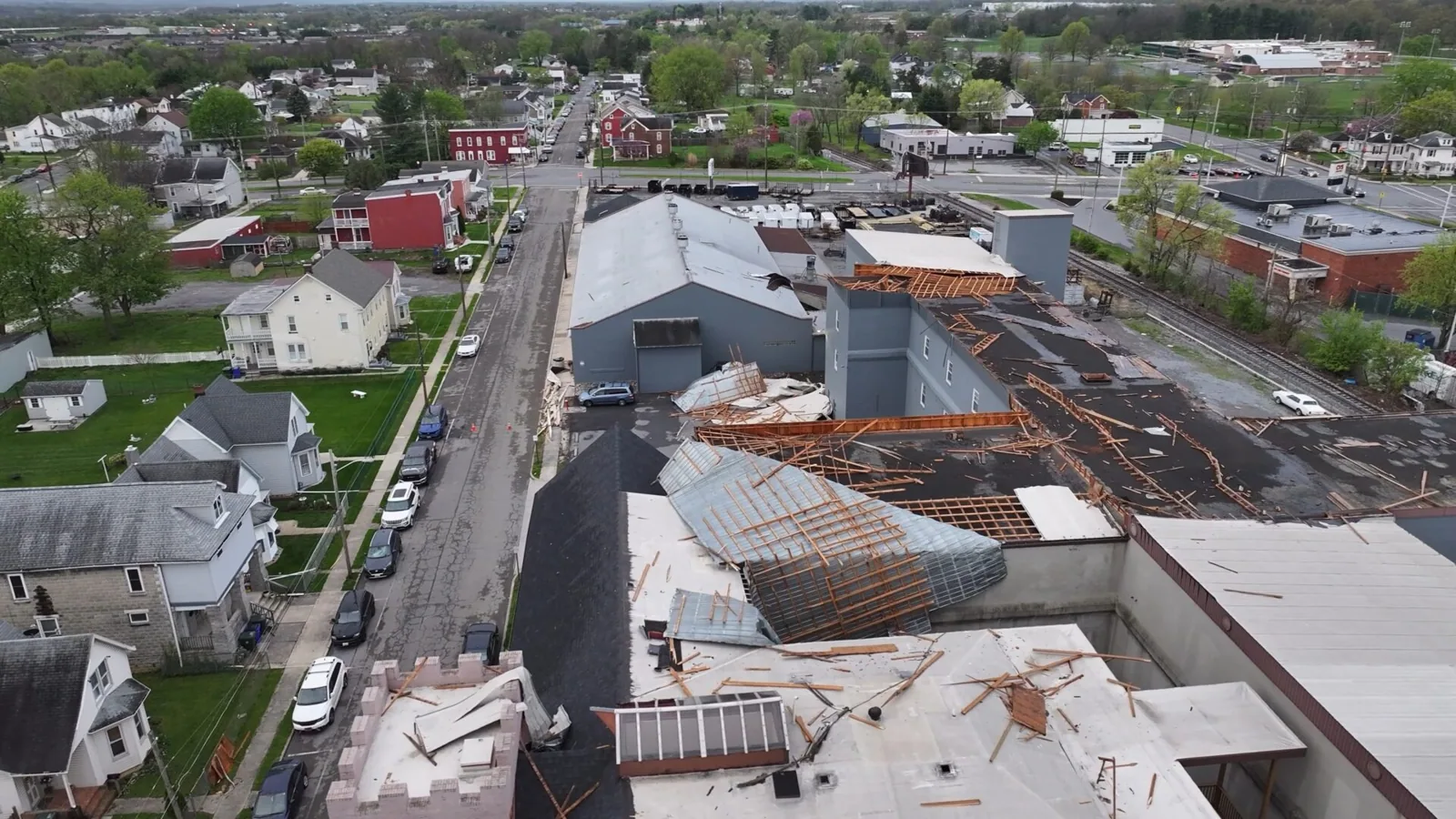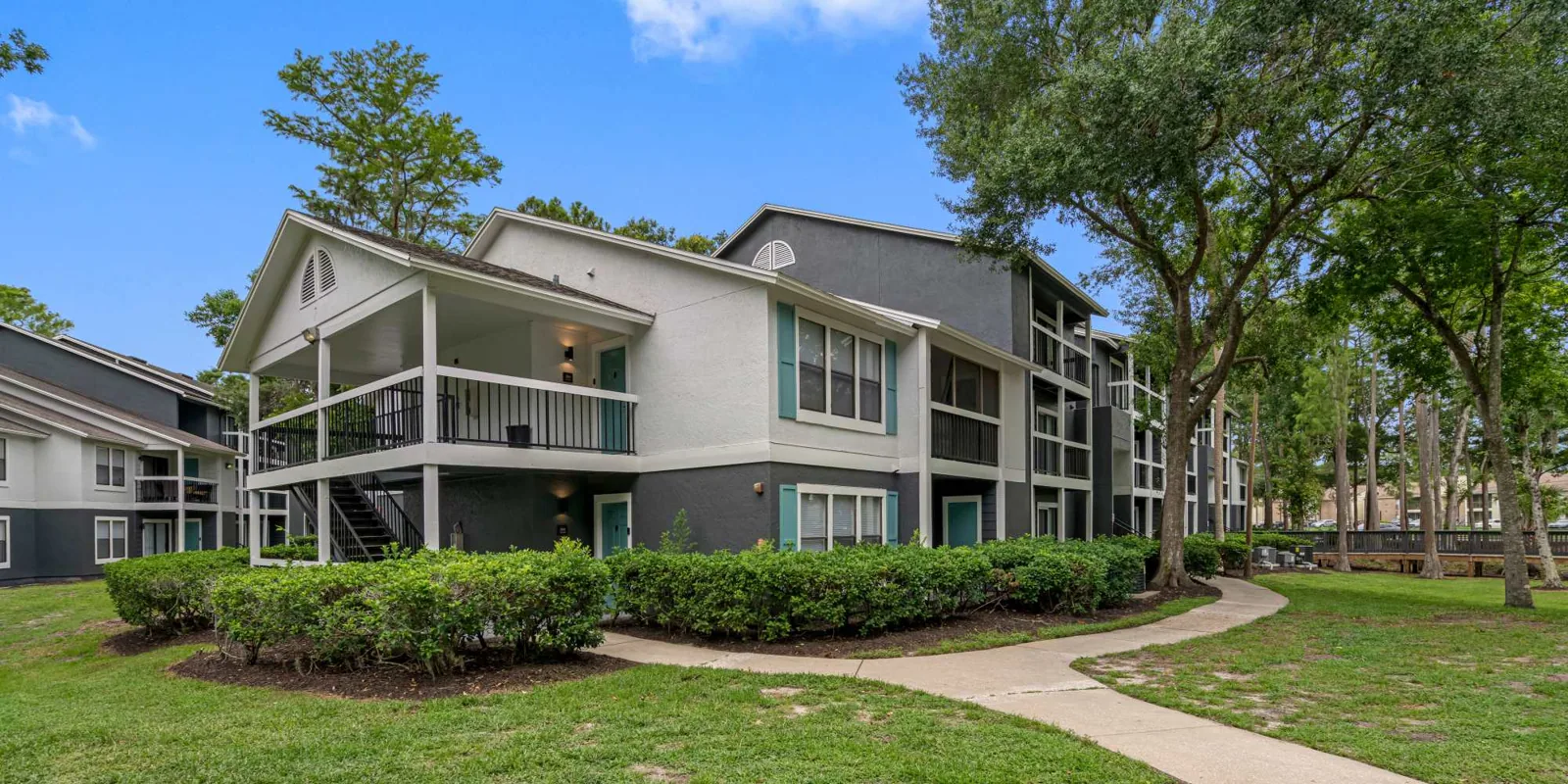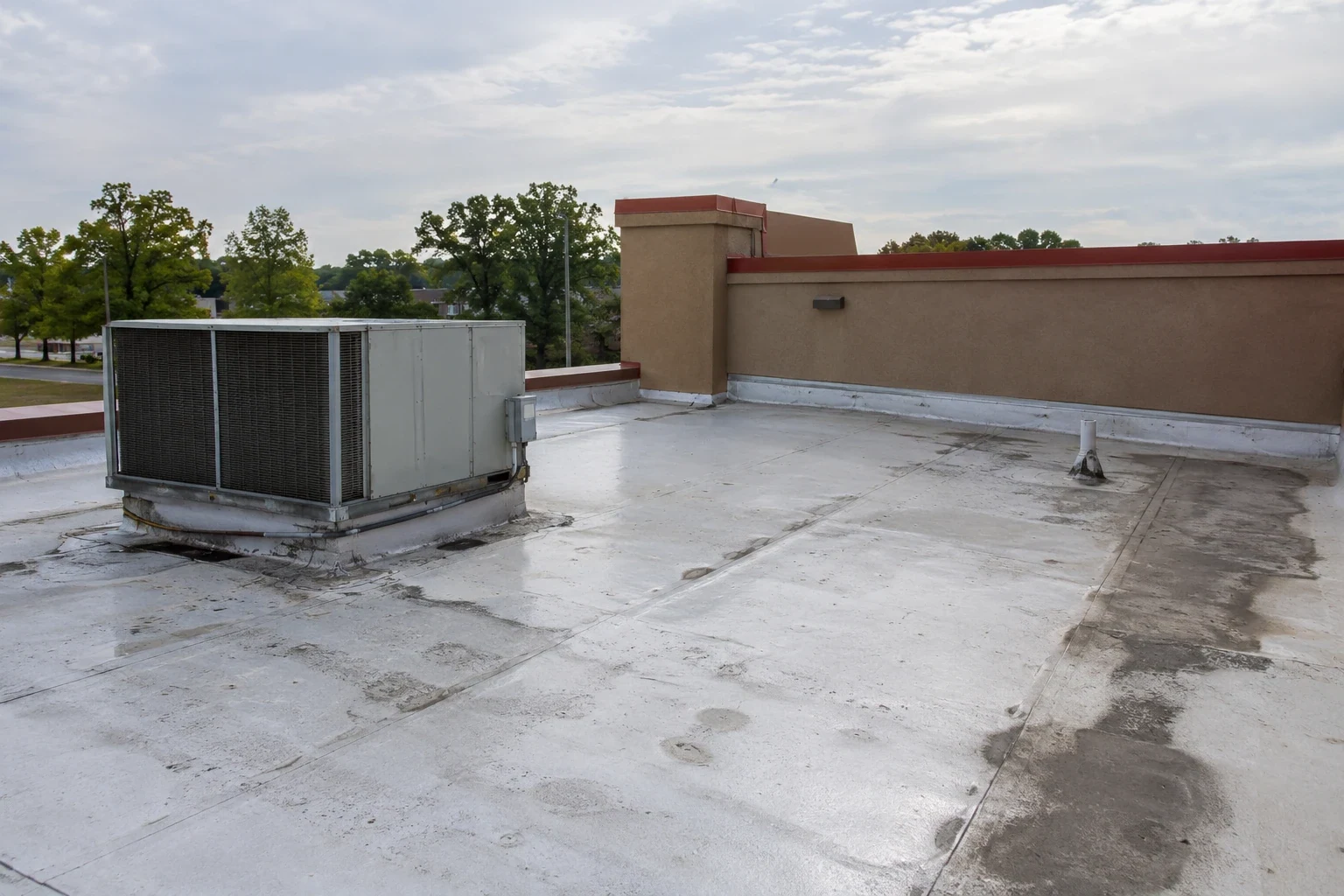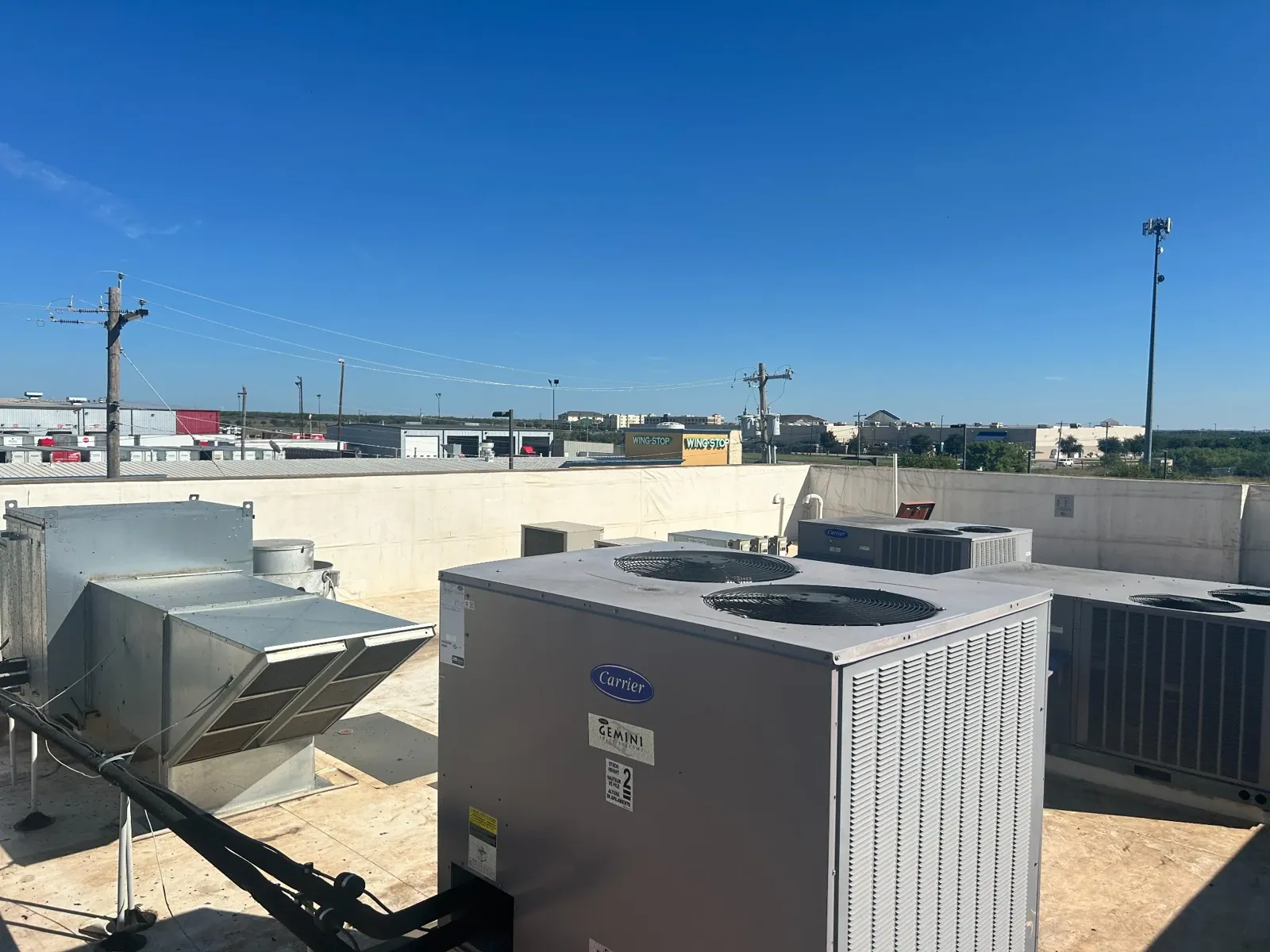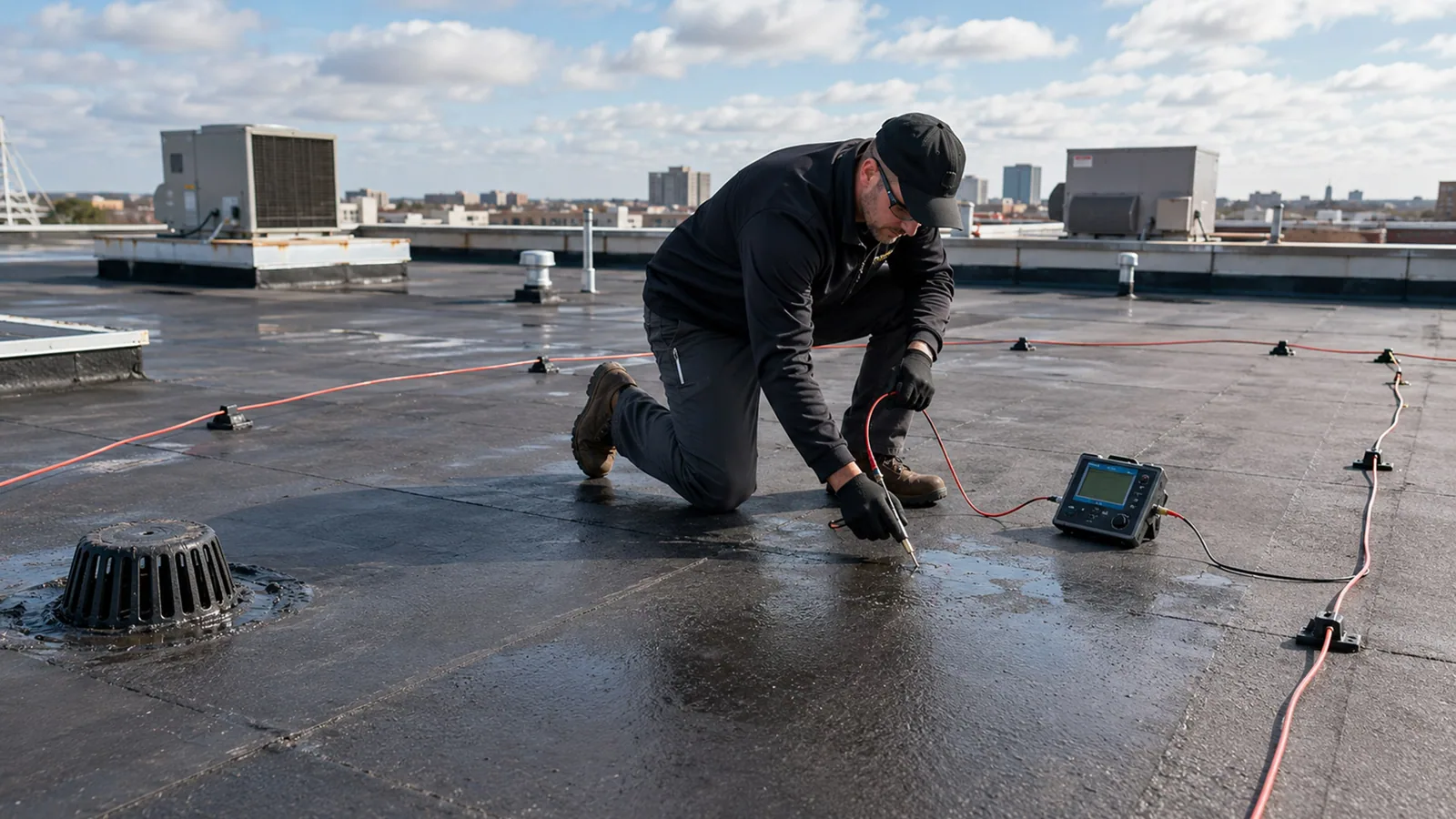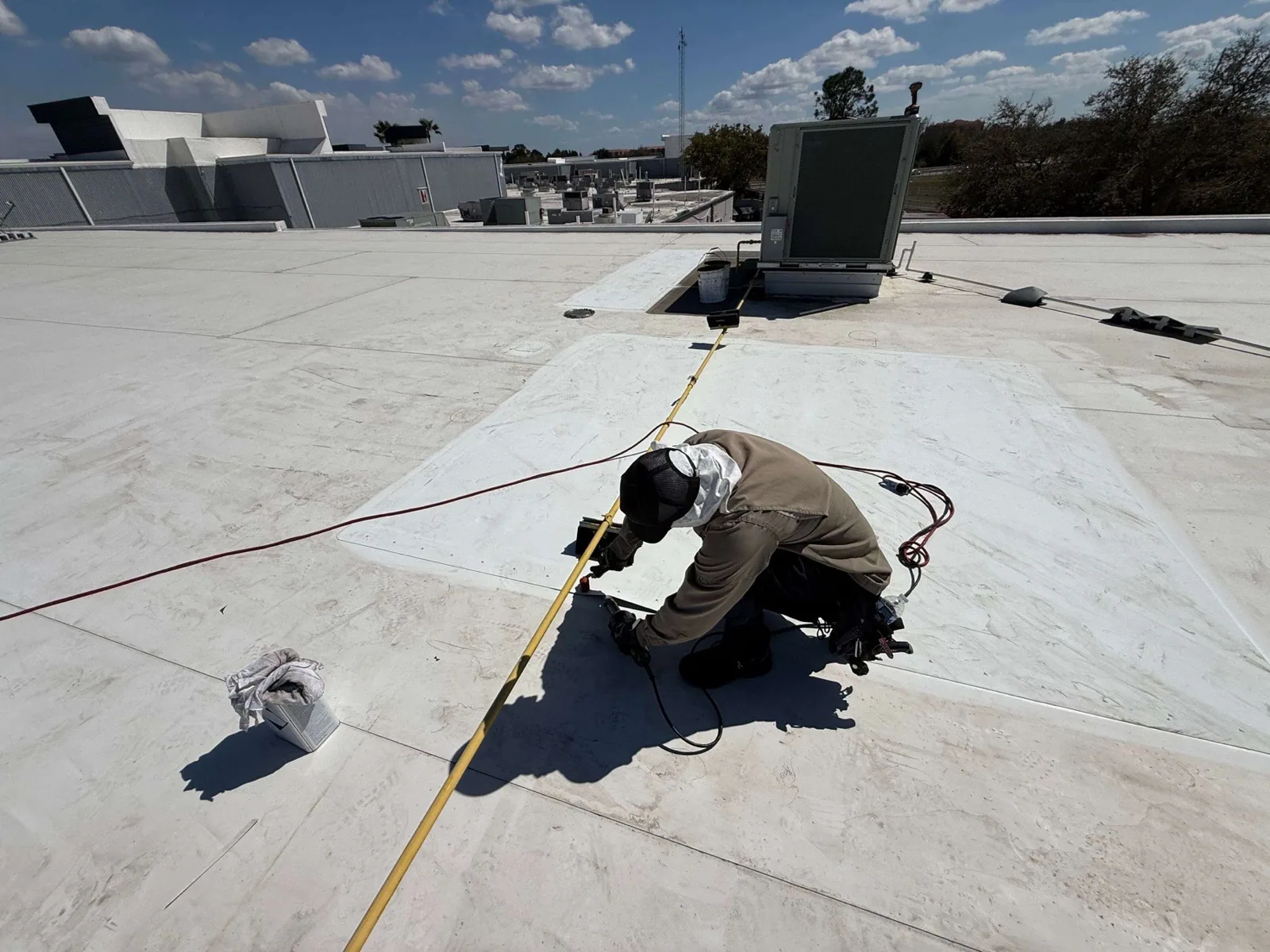

Guest-room roof leaks need the drain connection examined without leaving the room exposed. Water following the outlet pipe may interrupt several occupied levels. We trace that interface and coordinate protection below it. Commercial Roofing Edmond repairs and replaces hotel roofing in Edmond, OK. Rooms, equipment and guest routes influence how the work is staged. The actual assembly determines the required repair material and support. The director receives the roof findings alongside a workable operating sequence.
Guthrie has tourism businesses and a historic downtown with shops and galleries. Downtown Edmond also has local businesses beside walkable streets and outdoor dining. Those visitor-oriented settings make public access important during roof handling. We examine the hotel's actual entries and service routes. Oklahoma spring storms can also bring hail and damaging winds statewide. Roof condition at the property determines what work follows. Guest protection and physical construction need to remain connected from investigation through completion.
A guest-room water report needs its location and observed conditions identified. Facility staff coordinate interior safety and appropriate containment. Electrical exposure or unstable ceiling material requires qualified attention. We examine the relevant roof area and possible equipment interfaces. Leak tracing should determine the physical connection needing work. A stain location alone does not define the repair boundary. The director receives the observation and next examination required. Room status depends on the interior condition as well as the roof.
Urgent roof protection can address an opening when safe access and weather permit temporary work. Temporary closure may control exposure before full reconstruction is possible. The affected assembly still needs examination for permanent repair. Wet insulation or damaged backing can extend beyond the obvious opening. We identify that condition before closing the repair. The director should know which action is temporary. A protected roof area does not itself clear every condition inside the occupied room.
A roof section may cover guest rooms, corridors and a service area within one stage. We identify those spaces with the hotel contact before removal. Noise, dust and water protection can affect each use differently. Room relocation or restriction belongs in the facility's operating plan. The roofing zone should correspond to the area actually protected below. We describe the anticipated work and its dependencies for the director. Occupancy decisions then follow the roof protection available at that stage. The work should not depend on a room being vacant unexpectedly.
A shared guest corridor can remain active beside a roof zone over closed rooms. We locate the protected circulation with the hotel contact. Multifamily roofing also needs roof openings aligned with usable room and corridor boundaries. Within a hotel kitchen, restaurant roof construction coordinates exhaust and food-area protections before preparation. The responsible trades establish needed equipment interruptions. Roofing should fit that sequence through a secure local closure. We describe the area still open before the operating plan advances. Adjacent services need their connections completed with the field.
A unit serving occupied rooms may need coordinated shutdown before its curb is rebuilt. The responsible mechanical trade establishes the equipment action and reconnection. We examine backing, flashing height and maintenance clearance at the roof. Curb and support work should fit that operating sequence. Added insulation can reduce space for the vertical connection. A height alteration may therefore require equipment handling before membrane placement. The director receives those construction requirements early. Roofing and mechanical work must meet through a workable detail.
Intakes beside preparation or application need appropriate protection coordinated by facility staff. Roof products and dust-producing methods can affect that review. Equipment condensation can also produce water separate from exterior roof entry. We identify the physical interfaces rather than assume every report needs a patch. New cables and pipes require proper supported openings through the covering. Crowded service arrangements may need revision by the relevant trade. The completed penetration should remain accessible for later care. A sound roof detail needs suitable equipment construction surrounding it.
A history of repeated leaks can justify a broader assembly examination. Roof inspection identifies material, attachment and visible defects in the agreed area. Suspected wet layers require suitable tests and selected direct checks. The findings establish what can remain serviceable and what needs removal. Local repair should join sound roofing around its boundary. Extensive deterioration may require a larger construction decision. The director receives those findings rather than a recommendation based on complaints alone. We assess roof condition and operating consequences together before selecting the scope.
The deck may need repair where damaged layers are removed. Structural concerns require appropriate professional review before new roofing proceeds. Drain elevations and curb height also need coordination with the finished field. We identify which interfaces change under the proposed buildup. Any hidden-condition allowance should name the condition it covers and how findings can change the scope. The director can then compare defined options. A useful renewal plan addresses the roof actually found, including its support and drainage.
A hotel roof can contain busy equipment routes and different discharge conditions. We examine those areas before proposing the material assembly. EPDM roofing has its particular preparation, attachment and bonded-detail requirements. Other membranes bring different installation and compatibility needs. Suitable walkway treatment may protect repeated service routes. It should preserve drainage and inspection access around important connections. The covering and its accessories need to suit actual exposure. The director receives the complete assembly rather than an isolated sheet choice.
Oklahoma's generally hot summers can affect surface temperature during application. Thunderstorms may bring heavy rain and interrupt exposed work. We select conditions appropriate to the specified product requirements. Room scheduling should account for those dependencies. A roof section must have a secure stopping point when the work pauses. Intake and interior protections need to remain appropriate during that stage. Project requirements also need confirmation with the responsible authority. The method should remain practical for both installation and the occupied hotel.
Guthrie hotel roof work needs the property's actual entrance and service arrangement examined. Downtown Edmond business streets can create other public-access considerations. We coordinate deliveries, lifting and disposal with the facility contact. The handling route should not cross uncontrolled guest movement. The hotel contact coordinates unloading around arrivals and service movements. Material staging above occupied rooms needs suitable load review and product protection. A changed construction zone may require another ground boundary.
Completed joints and repaired penetrations need their appropriate inspection before release. Debris should leave the surface and accessible outlets. The director receives completed locations and remaining trade work. Later equipment service must preserve compatible roof closure and contact protection. New water reports should identify the room and recent service activity. We use those observations to choose the relevant examination. Hotel roofing remains useful through maintained details and coordinated room protection.
Arrange a review of the leak location, room use and equipment connection. We will define suitable roofing work and its protected operating sequence.
Interior condition and the responsible facility assessment determine room use. Roof protection does not clear wet electrical equipment or unstable ceiling materials. We explain the roof status to the hotel contact. Other affected trades address their conditions. The room should reopen only against the actual protection and safety arrangement.
The protected space below must match the active roof zone. The hotel establishes room restrictions or relocation where necessary. We define removal and closure requirements for the chosen assembly. Weather or concealed damage may change the stage. The director should have that status before occupancy arrangements move.
Water can arise from equipment condensation or discharge. We examine those interfaces alongside the roofing connections. The appropriate trade handles a mechanical defect. Roofing repair closes an exterior entry where one is found. The proposal should address the actual cause instead of treating every water report identically.
The added opening needs supported compatible flashing construction. Equipment loads and service clearance require the appropriate review. We examine the roof interface before cutting material. Facility staff coordinate operating effects with the responsible trade. The new work should leave drainage and later maintenance access usable.