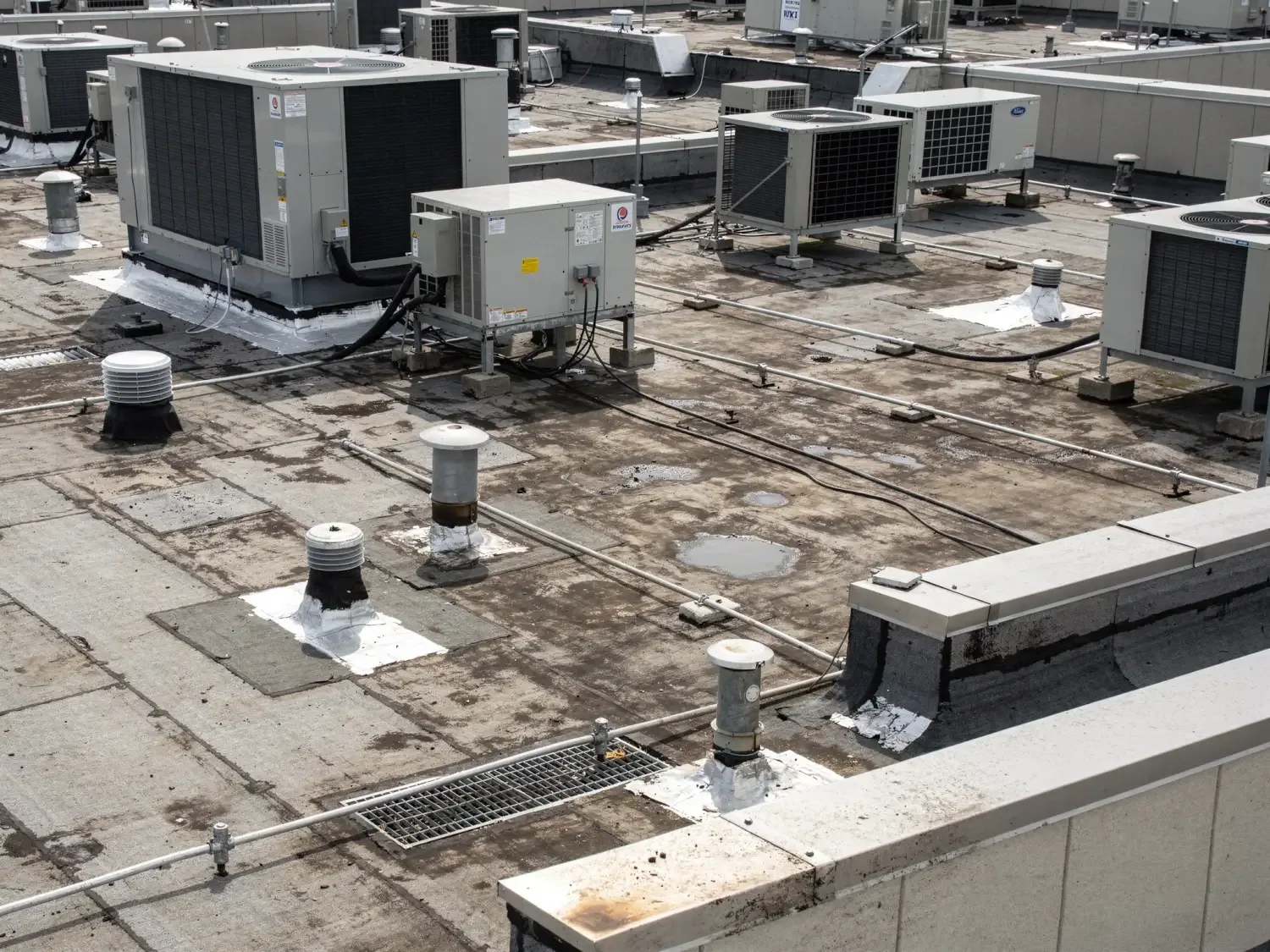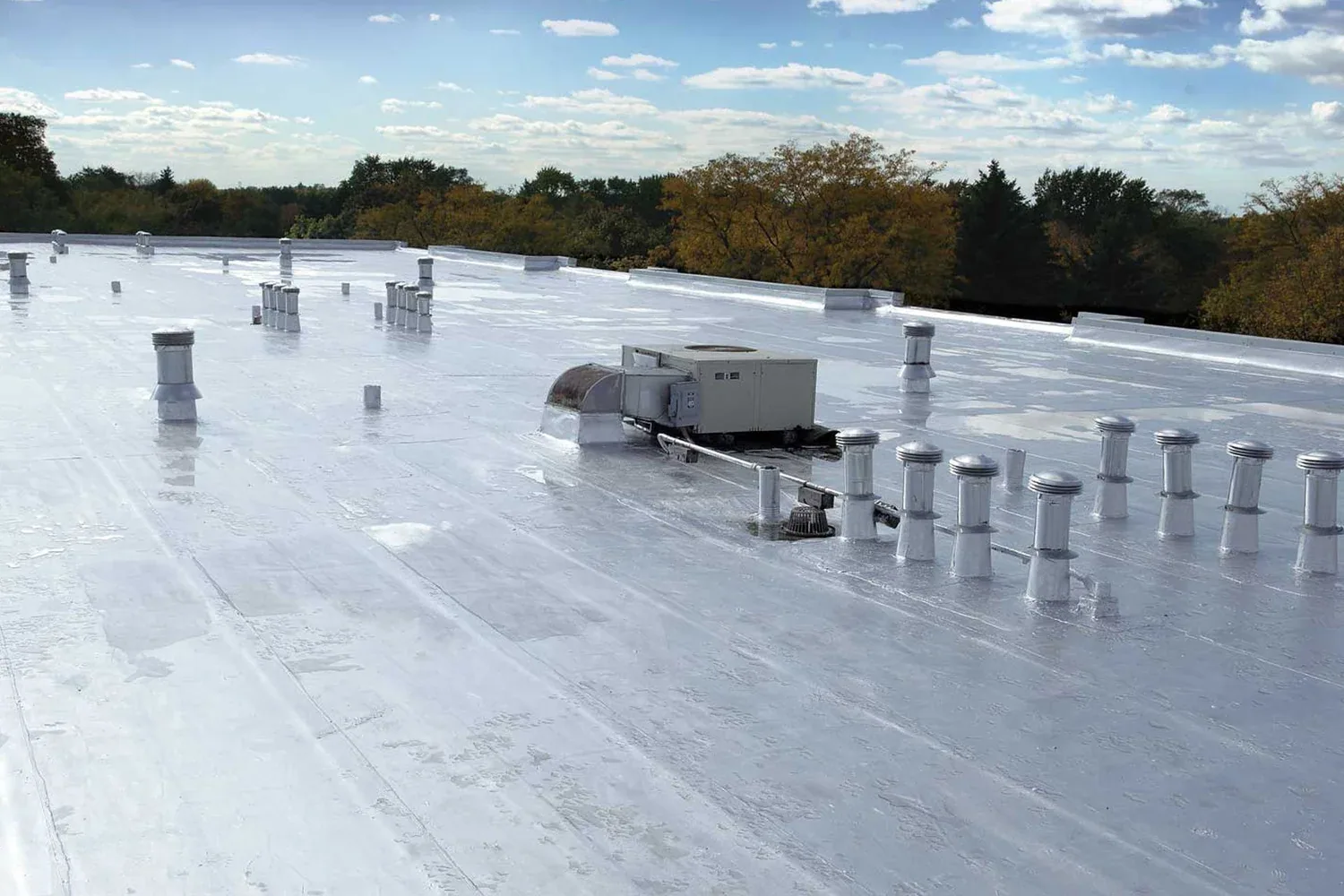

Server rooms need the roof cable opening closed on sound, accessible construction. A loose cluster of services can leave no proper flashing surface. We examine that arrangement before selecting the roofing treatment. Commercial Roofing Edmond repairs and replaces data-center roofing in Edmond, OK. The work must protect sensitive equipment while preserving necessary cooling and service. Roof penetrations, drainage and removal zones require particular coordination. The facility director receives the affected area and protection sequence. A finished membrane must leave those equipment interfaces properly supported and closed.
Oklahoma City includes information technology among its business sectors. Norman has research and university buildings in its local mix. Facilities supporting those activities can have important equipment beneath roofing. We assess the actual room use and roof condition together. Oklahoma's hot summers can also affect equipment and roofing work windows. The construction needs the required product conditions and the building's operating controls. A workable plan protects the equipment without compromising the physical roof assembly.
A crowded service opening may need restructuring before roofing can close correctly. We examine support, spacing and the available flashing surfaces. The responsible equipment trade may need to revise the cable arrangement. Packing compound around loose services is not a complete penetration assembly. New material needs a compatible connection to the roof covering. The upper closure also requires suitable construction around each service. We identify that work before the membrane is cut or removed.
Future cable additions should remain possible without damaging the finished roof. A planned service detail can preserve inspection and maintenance access. Equipment curb and support construction needs coordination with that requirement. The available vertical height changes if added roof layers raise the field. We measure those elevations before choosing the new assembly. Mechanical or electrical work retains the responsible trade's appropriate role. The director should know who completes each part of the interface. The roof must join equipment construction through a workable detail.
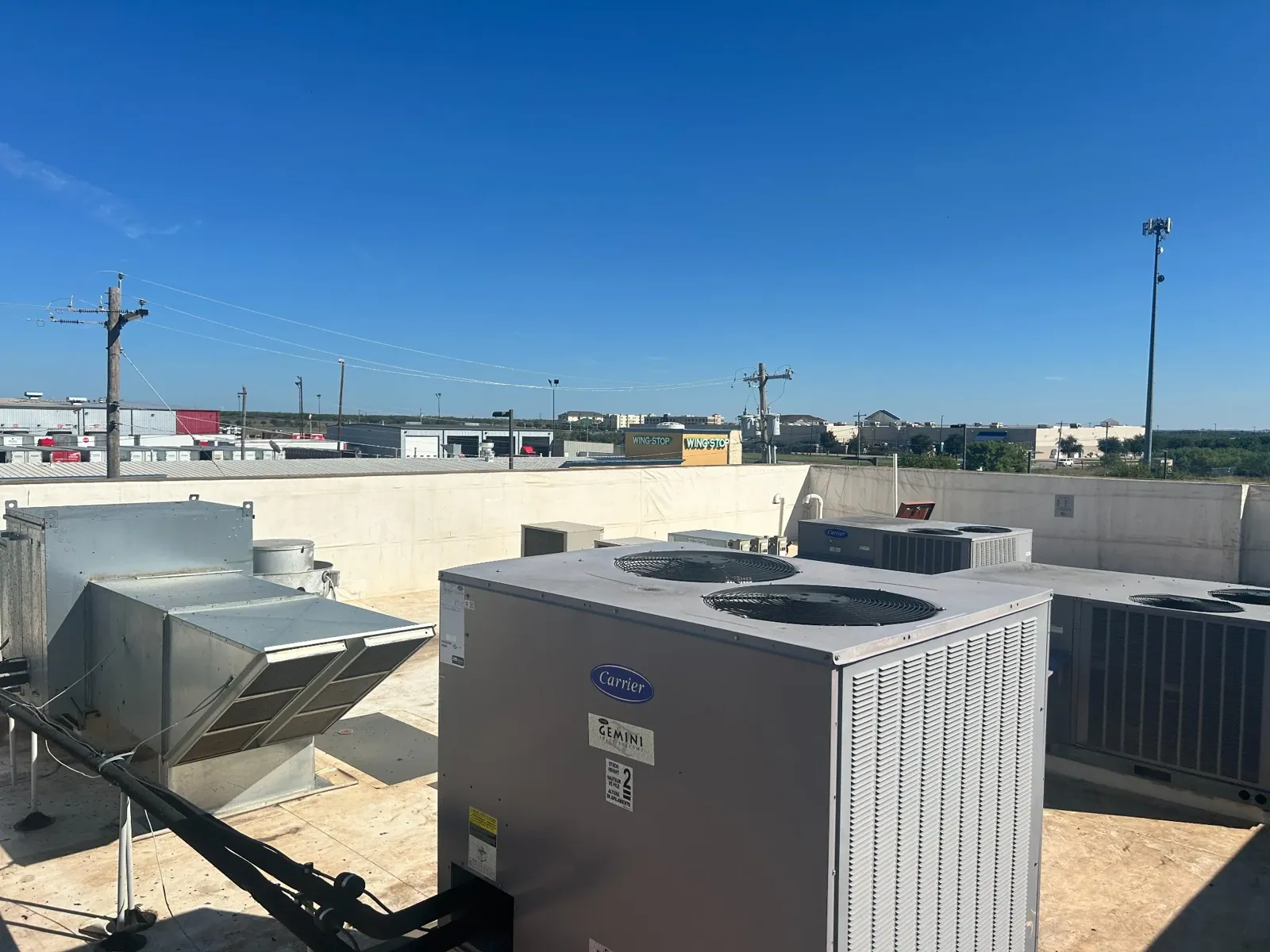
A rooftop cooling unit may serve equipment that cannot accept a casual interruption. Facility staff establish the actual operating needs and permitted shutdowns. We coordinate flashing and curb work with those constraints. Raising or replacing a support can require disconnects and lifting. The responsible mechanical trade handles that sequence and reconnection. Roof closure must fit the same schedule. We identify how the opening remains protected if equipment work pauses. The director needs the roofing status alongside the operating status.
Intakes near preparation or application work need appropriate protection. The selected roofing method can introduce dust, material or ventilation considerations. We discuss those conditions with facility staff and the relevant trades. Office roof work may involve different room sensitivity and interruption allowances. Cold-storage facilities have their own temperature and enclosure requirements. This data-center operation needs its specific controls established. Roof construction should not rely on another building type's assumptions.
A removal zone above sensitive equipment needs its protection decided before tear-off. The facility contact identifies the affected rooms and access restrictions. Interior precautions may need qualified personnel and other building trades. We coordinate the roof boundary with those controls. Falling debris and water both require attention during the opening. The construction should reach a secure closure within its workable window. Weather or hidden conditions can alter that window. We communicate the change before the roof zone advances.
Replacement work can involve deck exposure as well as membrane removal. Unexpected deterioration may need repair and appropriate professional review. That condition must be resolved before new layers conceal it. A temporary closure should protect the area while the next action is arranged. The director needs to distinguish protected work from finished construction. We keep those stages connected to the equipment operation below. A programmed restart cannot substitute for a securely closed roof area. The actual construction governs its readiness.
A drain flange above an equipment room deserves close examination at the membrane interface. We inspect its components and the surrounding supporting layers. A piping defect needs the appropriate plumbing work. The roof-side detail should still connect correctly to the bowl. Drainage repairs may also involve correcting an elevation barrier nearby. The work should identify those different tasks rather than one generic leak treatment. The director receives the physical cause and proposed construction at the outlet.
Blocked runoff can increase exposure at vulnerable roof joints. We examine the route around equipment and through the functioning outlets. Scuppers or overflow components need their accessible connections checked. Drainage-capacity or structural questions require appropriate design review. We identify those dependencies instead of treating roofing material as the answer. Added roof height can affect both outlets and curb clearance. The proposed correction should coordinate those dimensions together. A maintained water path is part of protecting the equipment under the roof.
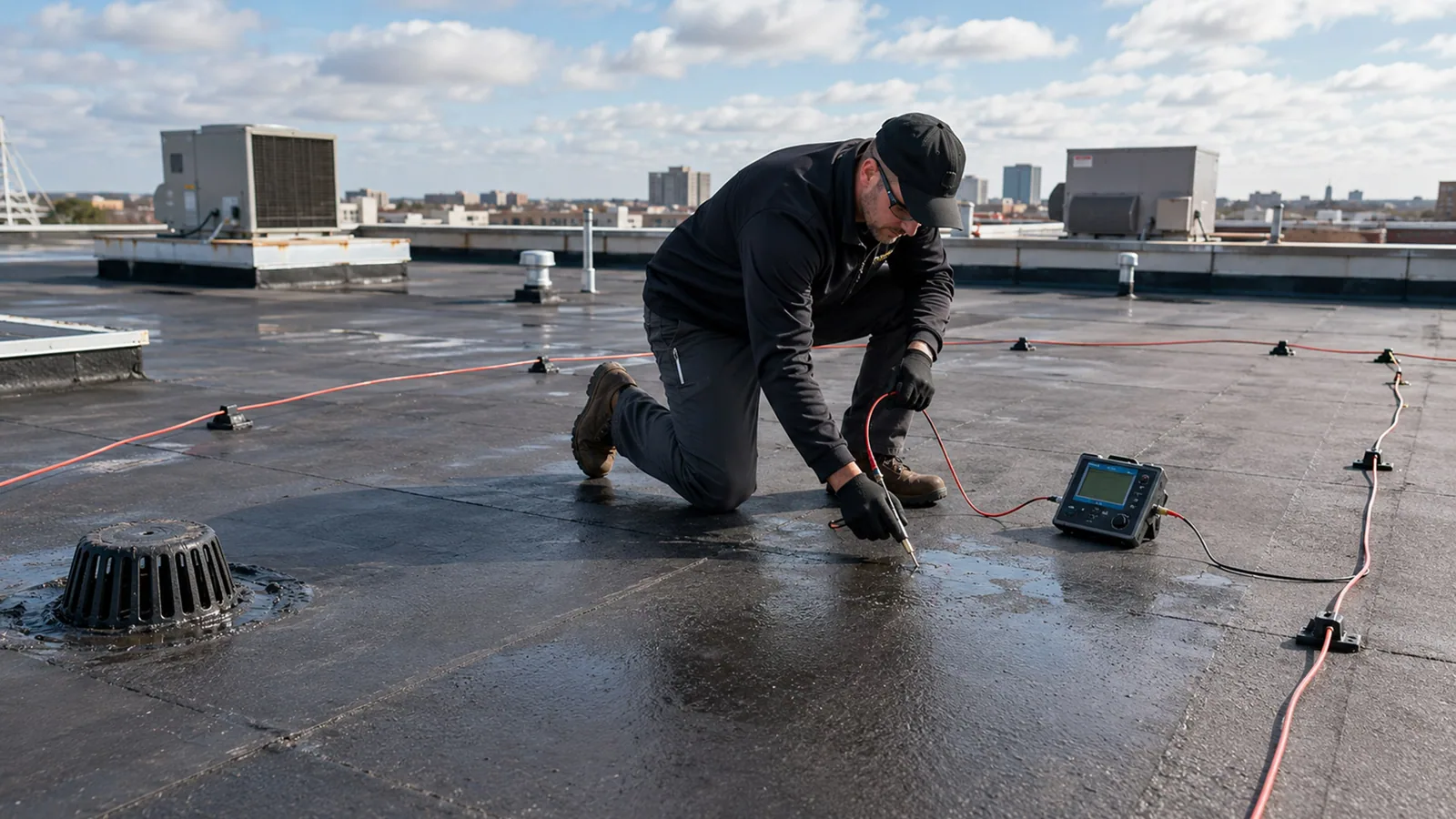
A repeatedly repaired seam may need a broader condition examination. We inspect material, attachment and supporting layers where the decision requires it. A roof inspection can locate visible defects and identify concealed questions. Moisture indications may require suitable tests and selected openings. A local repair needs serviceable material to join around its boundary. Widespread deterioration can justify another construction option. The director should know which condition changed the recommendation. Sensitivity below the roof does not make weak retained construction suitable.
The covering should match actual equipment exposure and service routes. Different membrane and metal assemblies have different attachment requirements. We coordinate those requirements with available access and work controls. Protective routes may be needed where equipment staff cross the roof. They should preserve drainage and inspection space around details. New material needs compatible accessories at penetrations and terminations. Project code and review responsibilities also require confirmation. The proposal should describe a complete assembly and its necessary operating coordination.
Oklahoma City data-center roof projects need the actual delivery and roof-entry requirements established. Regional business activity does not settle the site's access procedure. Norman research-related operations can require other facility controls. We coordinate handling and disposal with the building contact. Roof storage needs suitable structural and product consideration. Nearby occupied or restricted areas remain identified in the work boundary. The director receives a practical sequence for material movement and construction.
Oklahoma spring storms can bring damaging winds, hail and tornadoes. Actual conditions govern safe exposed work at the building. Application temperatures and surface condition also matter for the selected materials. We adjust the roof stage to a suitable closure window. Permanent construction should not be rushed to overcome unsuitable weather. The equipment operation needs the protection status communicated if the work pauses. A secure stopping point helps keep that coordination practical. The roof and facility controls should remain connected throughout the project.
Arrange a review of cable openings, cooling constraints and roof condition. We will define the roofing connection and protected construction sequence.
The facility establishes its required operating conditions and available controls. We examine whether the roof detail can be completed safely within them. Some work may require a coordinated shutdown or another construction sequence. The responsible mechanical trade participates where equipment changes are needed. Roof protection and cooling status must remain clear.
The service arrangement may leave inadequate support or flashing space. We examine whether compatible material can close properly around the actual cables. A revised curb or supported opening may be necessary. The equipment trade coordinates the services while we complete the roofing connection. Improvised compound cannot replace that construction.
The exposed condition requires appropriate assessment and a protected work boundary. We show the director the affected support before new layers are placed. Structural review may be needed. The roof area remains protected while repair is arranged. Equipment use below must be coordinated against the actual construction status.
Recent work can help direct examination of disturbed details or changed discharge. Identify the affected room and the timing as well. We compare those observations with the physical roof findings. The visit history does not prove a cause by itself. It helps choose the specific connection needing inspection.