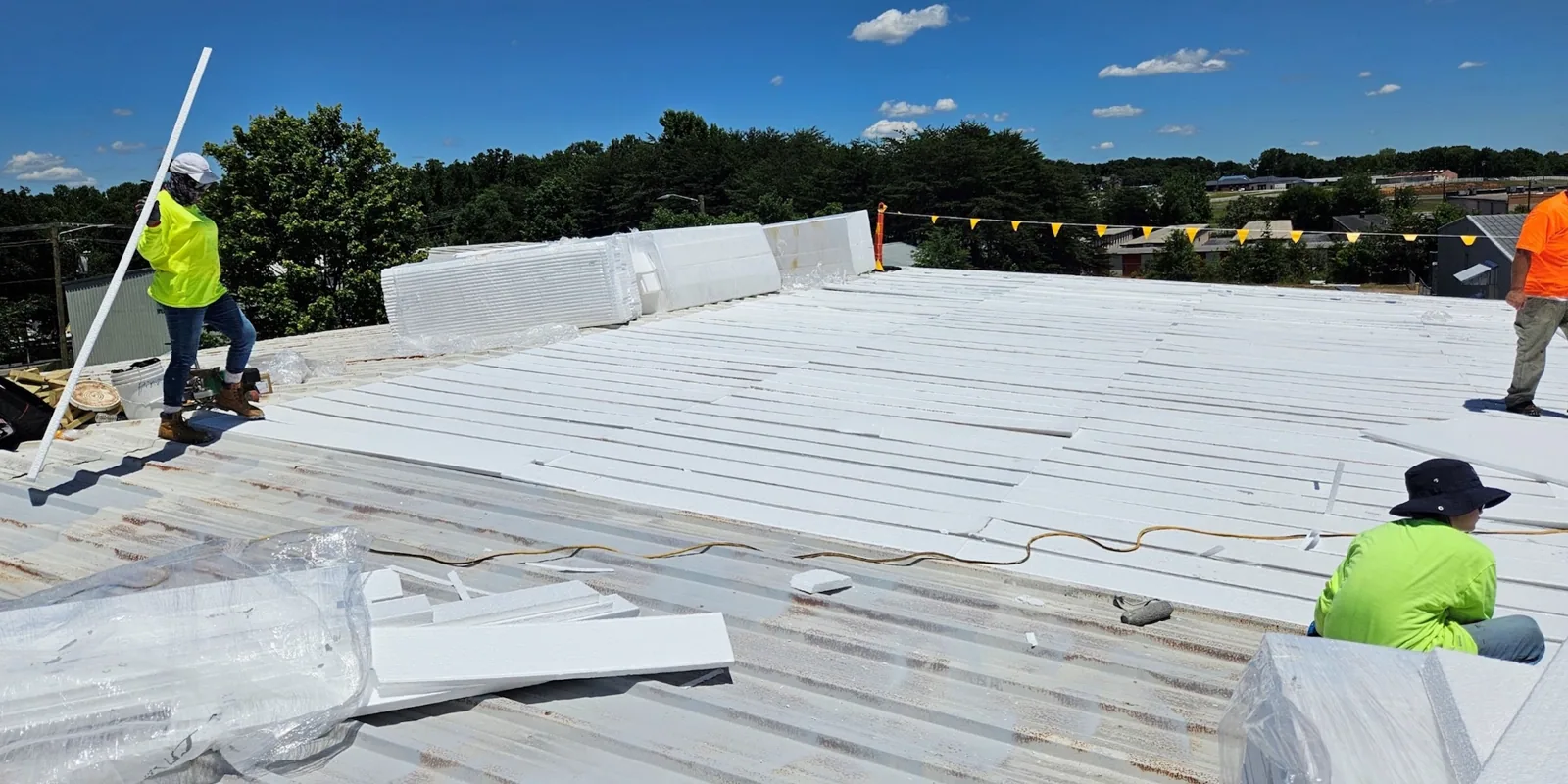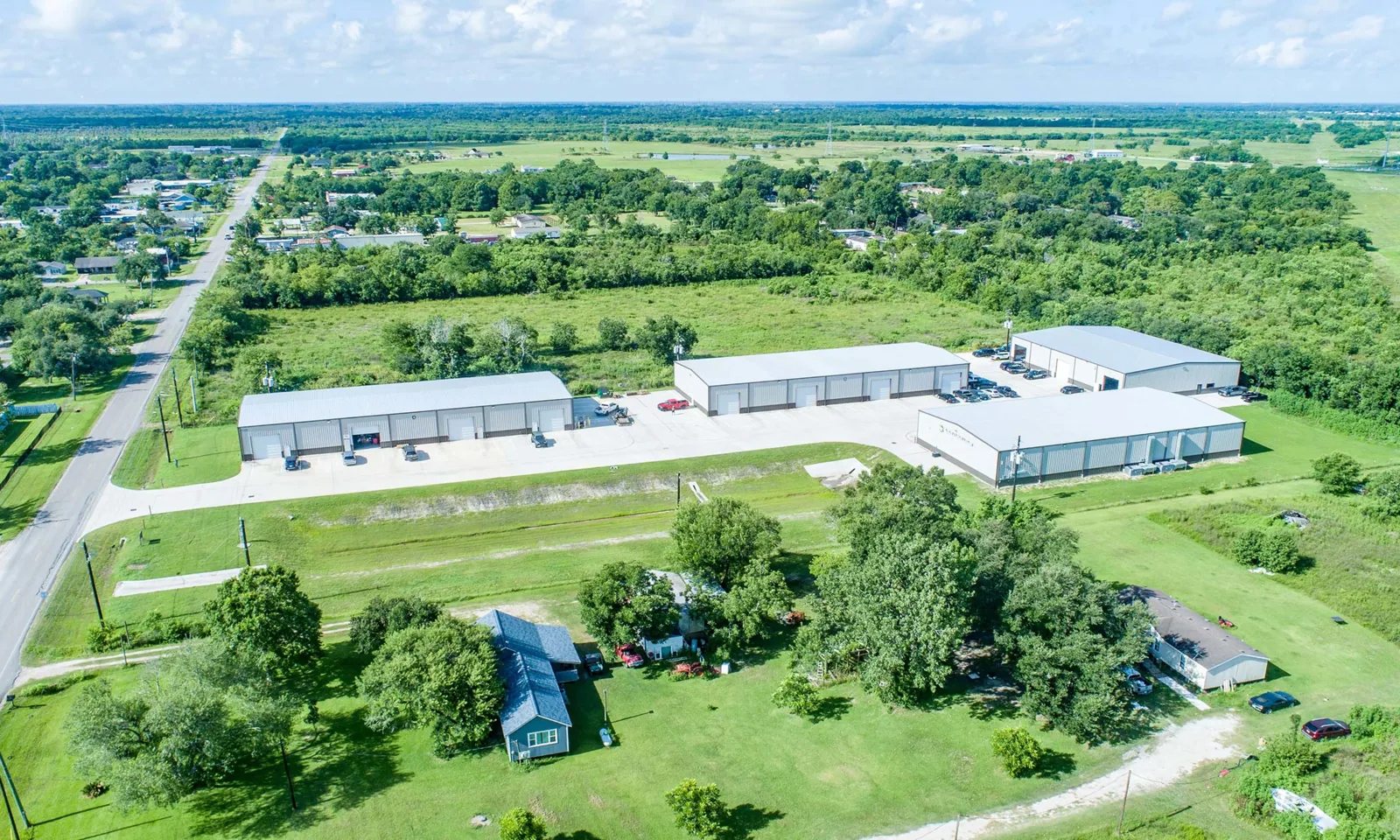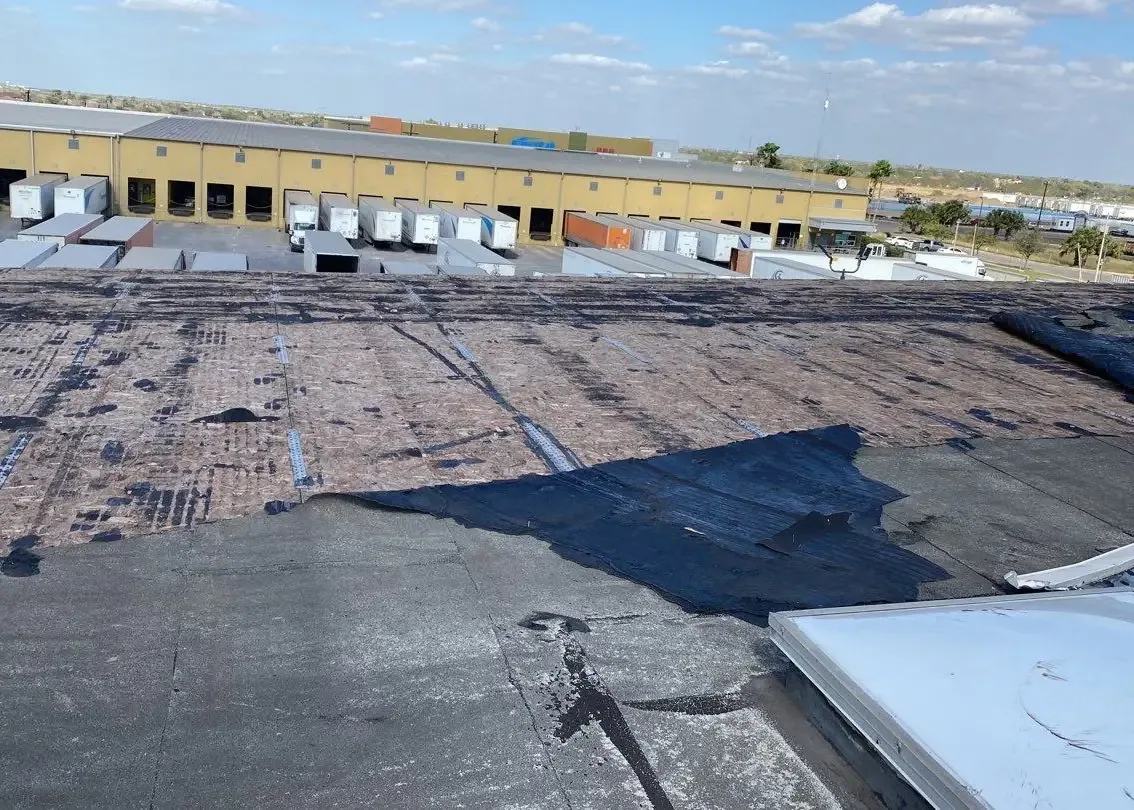

Above aircraft maintenance bays, panel repair must preserve the seam's intended engagement. A damaged joint can admit water over equipment while the neighboring field remains serviceable. We inspect the panel, clip and supporting line before selecting treatment. Commercial Roofing Edmond repairs military aviation roofs near Edmond, OK. Bay use and aircraft movement shape the protected work area. The roof profile and actual support govern reconstruction. The authorized contact identifies mission and access requirements. The chosen stage needs room to finish a suitable physical connection.
Flying training took place at Will Rogers Air National Guard Base in 2026. Its building stock included a hangar in 2022. That aviation use makes equipment protection important when overhead roofing opens. At Tinker, Navy depot maintenance operated in hangars during 2010. Tinker also performs product-support work and supports flying operations. Midwest City has aerospace businesses, with the base at its southern boundary. Aerospace and research facilities are also part of Oklahoma City. We examine the project's actual bay operation and roof condition. The construction should preserve useful maintenance clearance while completing suitable joints.
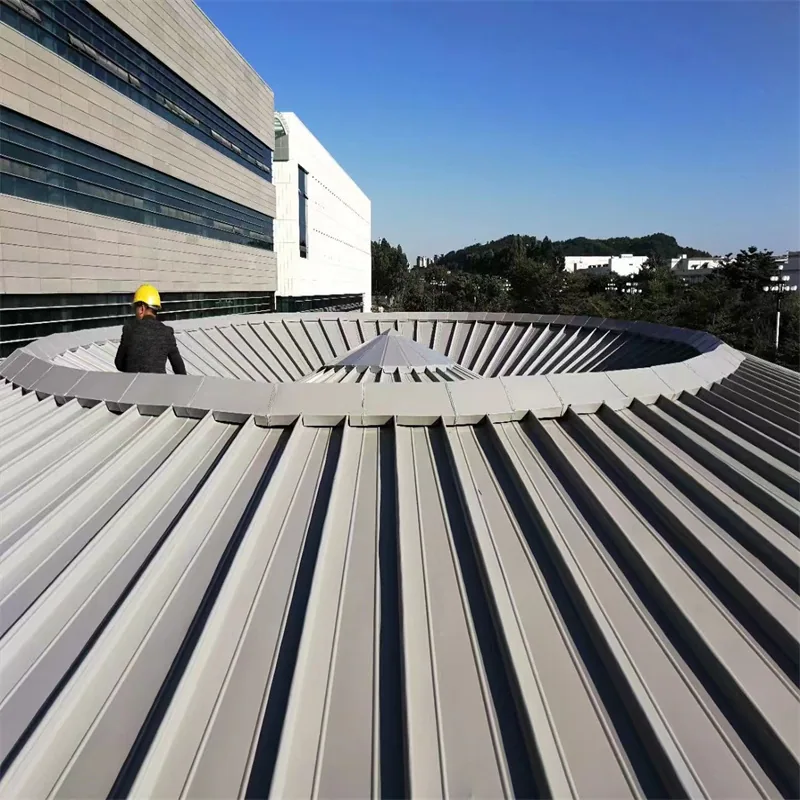
A metal seam can separate where a clip or supporting connection deteriorates. We inspect the profile and accessible attachments before adding repair fasteners. Military standing seam repairs preserve the panel's intended movement. An improvised rigid attachment may be unsuitable for that assembly. Damaged engagement can require a replacement boundary beyond the obvious opening. The new sheet must fit the selected panel detail. Its closure needs compatible materials and the appropriate contact preparation. We explain those physical requirements before proposing the finish.
Corrosion can weaken the metal receiving a new seal or fastener. More compound over that contact may leave the same unstable connection. We examine accessible sheet edges and supporting material. Local reconstruction should reach material able to serve the repair. Supporting roof-layer work may also be necessary on adjoining membrane areas. Their attachment requires a suitable assembly beneath the surface. A structural concern belongs with the appropriate project professional. The contact receives supporting findings while the condition remains visible. The repair should not close over an unresolved holding surface.
Overhead removal can expose aircraft and maintenance fixtures within the bay footprint. The facility identifies what can remain suitably protected and what must move. Air Force building roof projects coordinate that equipment arrangement with the assembly being opened. We describe the debris-producing method and required roof closure. The opening should stay within the area protected beneath it. An idle aircraft still needs suitable precautions during overhead construction. Staff establish that arrangement before removal begins. We review the bay layout against the exposure of a changed stage.
Preparation near a ventilation intake can affect areas beyond the open bay. Responsible equipment staff assess the products and required operating controls. We identify the actual preparation zone before it starts. Depot roofing also protects maintenance stores where those contents sit beneath removal. We locate maintenance stores alongside the aircraft area when defining the roof boundary. Supplies may require relocation before construction expands. A concealed defect or weather delay changes the closure sequence. The contact receives the current protected area before equipment or stored material returns.
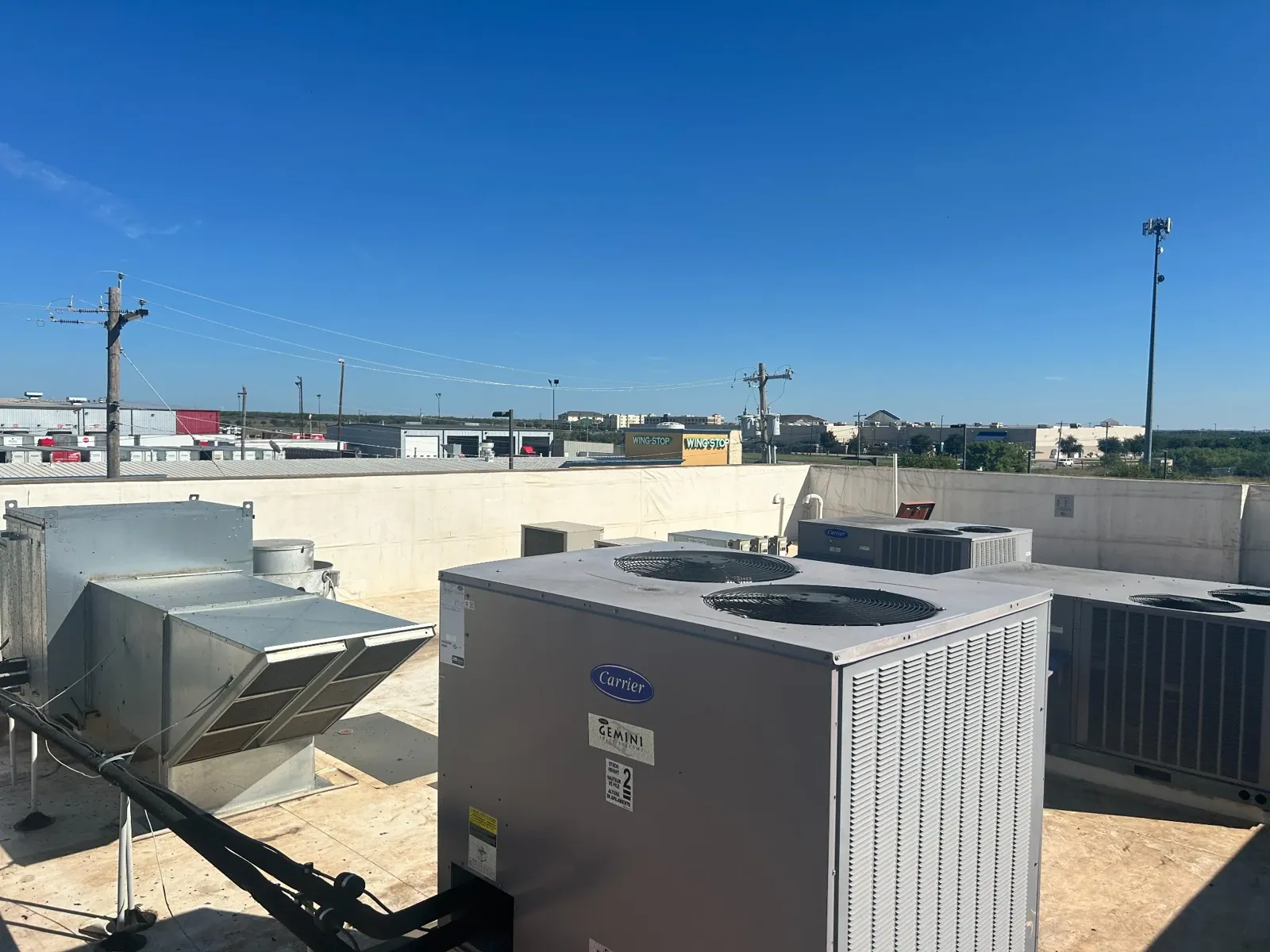
A curb can sit too close to other services for a properly formed return. We inspect available space and the required flashing dimension. The responsible trade may need to revise the service arrangement. Hangar equipment support repairs connect roof-side construction to those alterations. Added field thickness can reduce usable vertical clearance. Unit lifting or support changes should be included before sheet placement. The completed accessory needs a suitable base and upper closure. An exposed surface finish does not complete a cramped supporting interface.
We examine eave attachment and clearances beside a moving hangar door. Roofing should preserve the door assembly's required operating space. Its responsible specialist handles necessary equipment adjustment. We identify the roof closure that must meet the completed interface. A gutter joint or discharge defect may require another treatment. Water at the entrance should be followed through the accessible collection route. The proposal distinguishes those tasks while the area remains open. The director receives the connected work needed for a usable entrance and secure roof edge.
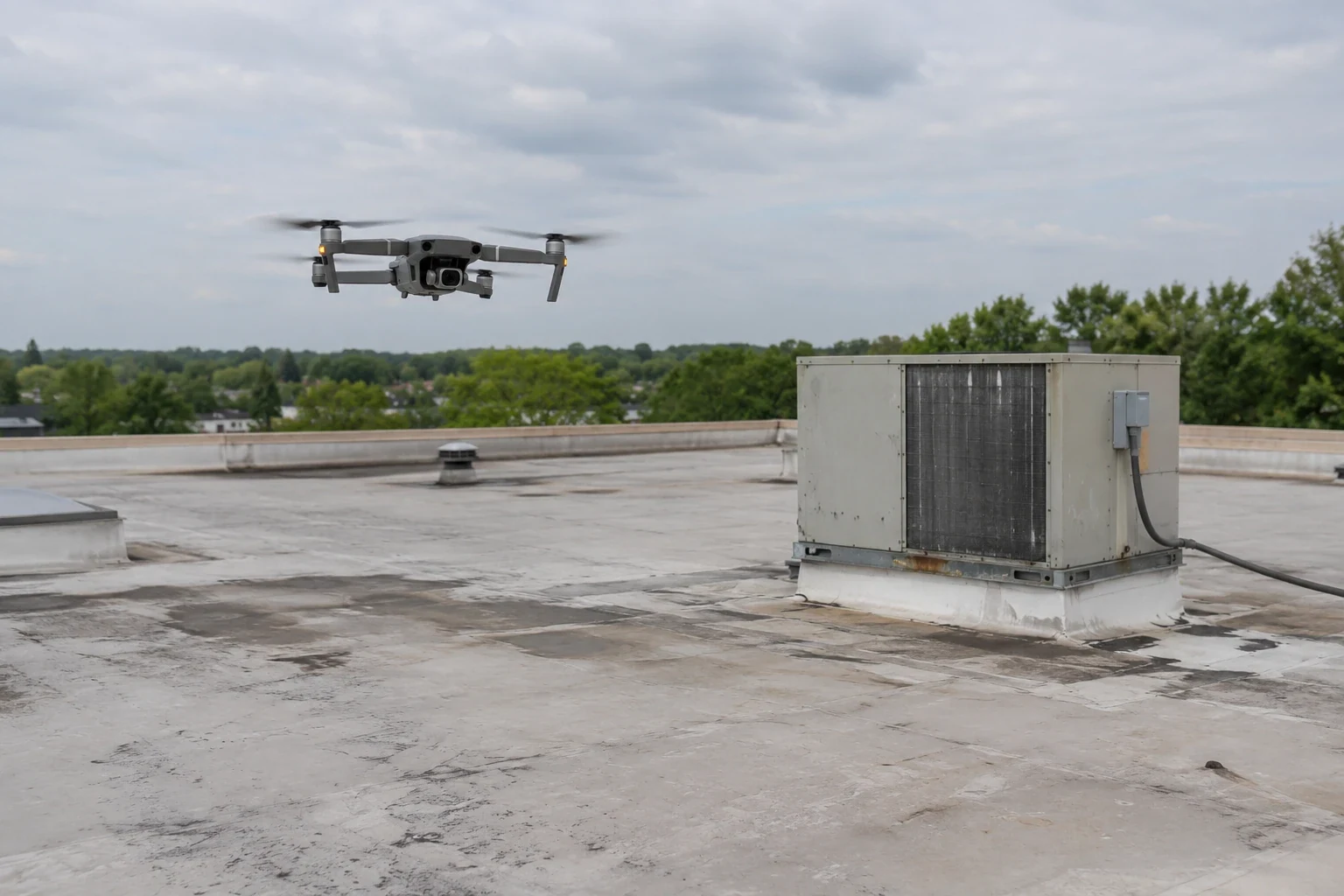
A large visible field can make remote observation useful before direct examination. Hangar roof aerial inspection follows authorized flight and operating requirements for the actual facility. Images can identify accessible surface concerns without opening concealed layers. We select direct checks where backing or insulation condition needs examination. The project documents establish applicable design and installation requirements. Material and attachment choices must fit that authorized scope. We explain the roofing observations affecting those decisions. The assembly review should include its service details as well as the field.
New insulation or a different covering can alter drain and curb elevations. The finished roof needs useful runoff and accessible outlets. Drain piping or capacity changes may require another trade or professional. We identify those tasks before completing the roof-side connection. Aviation roof maintenance can preserve collection components and inspectable detail faces. It should address the actual installed materials and equipment exposure. Permit and inspection responsibilities need confirmation for the proposed project. Renewal closes against the required supporting and drainage construction. Later service work should preserve those dimensions.
Oklahoma spring weather can produce thunderstorms with damaging winds and hail. We assess actual panel and accessory damage after a reported aviation-building event. A dent, displaced seam and broken return can require different responses. During hot Oklahoma summers, suitable application depends on the roof's actual surface conditions. Summer thunderstorms can interrupt an exposed zone with heavy rain. We arrange removal against the working method and protected stopping point. The facility receives temporary closure status separately from finished repair.
Oklahoma City military hangar work requires establishment of project-specific entry and handling arrangements. Midwest City aviation-area properties can have other operating constraints. We coordinate lifting and disposal against the authorized ground zone. Rooftop storage needs appropriate load and material-protection review. Completion includes checks suited to the installed seams, returns and exposed fastenings. Loose fragments need removal from accessible surfaces and collection points. The contact receives completed locations and remaining trade interfaces. Maintenance then keeps critical joints and outlets reachable. The roof should remain practical for continued aviation equipment service.
Identify the affected roof joint and the aircraft-area protection needed. We will define suitable military hangar construction and its authorized work sequence.
The intended movement and engagement arrangement determine suitable treatment. We inspect the panel profile, clips and supporting material. An additional rigid connection may be inappropriate for that system. Repair should restore the required physical behavior. The selected detail follows the actual assembly rather than the visible opening alone.
The authorized facility establishes equipment and mission operating restrictions. We describe the removal zone, handling and needed protection. Aircraft relocation or another controlled arrangement may be necessary. The roof stage must fit the protected bay available. A changed construction boundary requires reconsideration of that operating plan before work continues.
It can locate observable surface conditions where the flight is permitted. Supporting layers may still need direct examination. We select those checks against the actual assembly and accessible findings. Authorized flight requirements remain part of the inspection method. The resulting construction scope distinguishes observations from unresolved concealed condition.
The roof closure must retain the required operating space. We examine the accessible interface and suitable attachment backing. A door specialist addresses equipment adjustments where necessary. Roofing completes its own compatible connection. Both tasks should meet through a finished junction rather than interfere after closure.