
For an Air Force maintenance building, a roof connection must remain secure beside equipment and service routes. Loose attachment can leave the covering moving beneath its finished detail. We examine that support before selecting reconstruction. Commercial Roofing Edmond handles military building roofing near Edmond, OK. Depot, flying and administrative uses can require different operating protections. The actual assembly determines the repair material and fastening method. The authorized facility contact identifies entry and mission constraints.
Tinker Air Force Base performs depot maintenance, product-support and supply-chain work. It also supports flying operations. Midwest City has aerospace businesses with Tinker along its southern boundary. Oklahoma City has further aerospace and research activity. Those operating settings make equipment and protected-area coordination consequential for roofing. We assess the actual building and affected service interfaces. The required roof treatment follows physical condition. Mission scheduling then fits the construction and protection that the assembly requires.
A loose covering can indicate more than a damaged exposed seam. We examine its connection to the supporting layers and deck. Fasteners need suitable holding material beneath their contact. Adhesive methods require the specified surface and application conditions. Insulation and cover-board reconstruction should fit the complete assembly's attachment requirements. Weak retained layers can prevent the selected method from serving properly. Appropriate design review establishes the required system and loading response. The repair should follow that construction rather than use an improvised fastening pattern.
Local deck corrosion can require professional assessment before new roof layers are placed. We expose the affected support and identify its condition. Aircraft maintenance roof work coordinates support examination with protected equipment below. Removal may extend beyond the first opening to reach sound deck. The contact receives that boundary before the bay arrangement changes. Corrected support must receive the specified roof attachment. We inspect the connection before retained or replacement layers conceal it. The scope should include each task necessary to complete that supporting line.
A federal roofing project can require particular assembly and inspection criteria. The responsible project team establishes applicable Unified Facilities Criteria and design requirements. We review the roof work against the authorized scope. Material compatibility and attachment details need agreement before placement. Military roof construction also needs the facility's required entry and work-area arrangements. Escort or other access controls can affect the available sequence. Those operating duties should be settled before deliveries and removal. The detail work still needs its specified preparation and suitable backing.
A project may involve existing equipment that needs alteration for the proposed field height. We examine curbs, pipe supports and nearby outlet elevations. The responsible trades establish their required equipment actions. A revised curb can need structural or mechanical work before roofing proceeds. We identify the sequence that completes those interfaces. The facility contact should receive the remaining dependencies while the scope is being arranged. New covering must meet the required details rather than leave a connection for later improvisation. The project review should concern the full roof assembly.
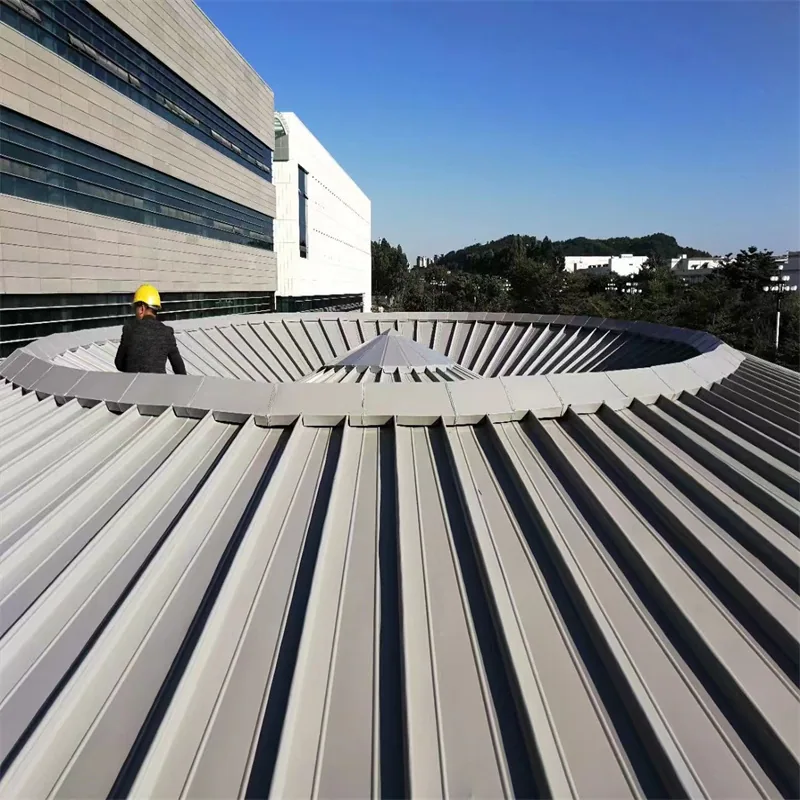
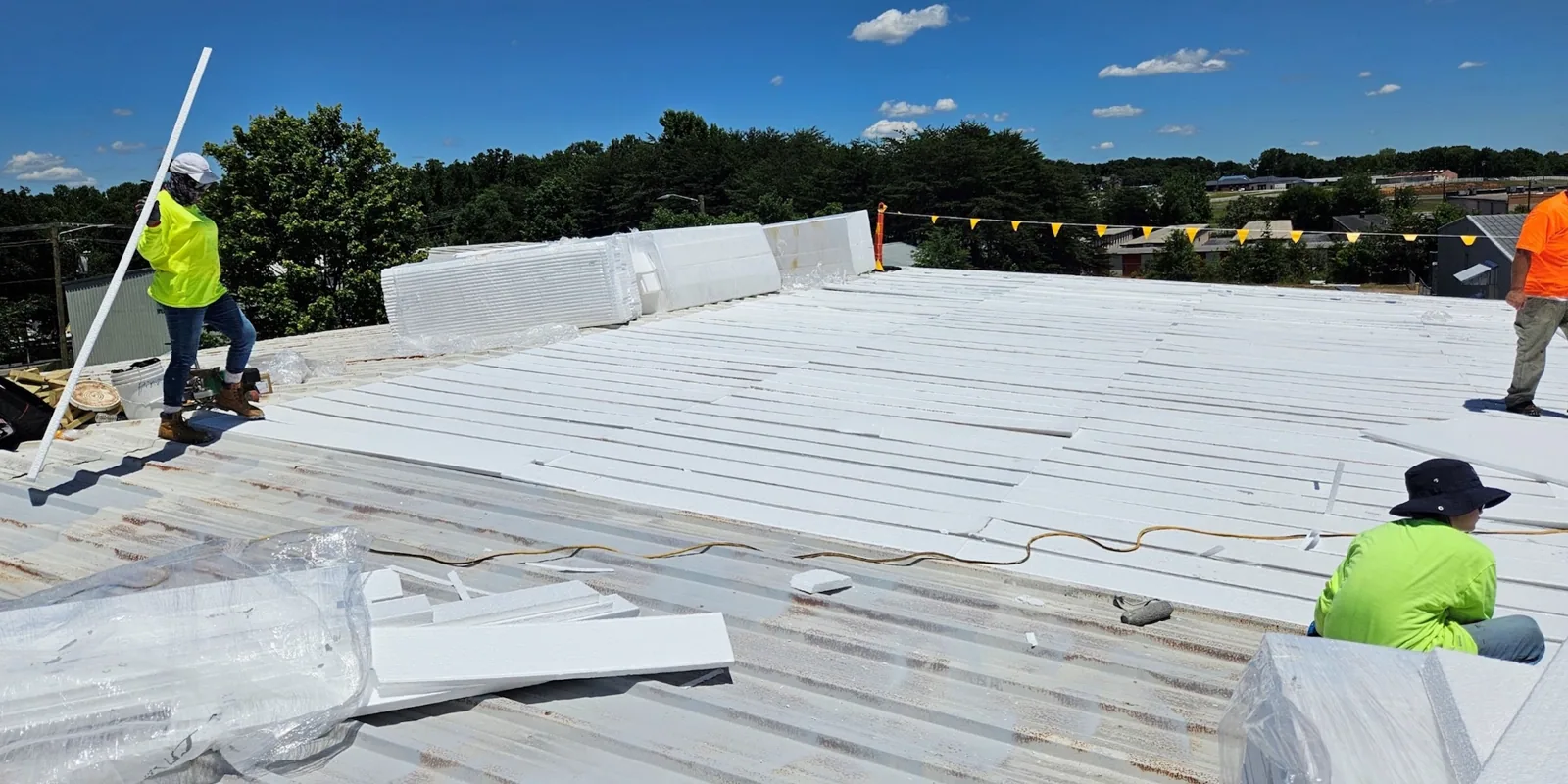
A metal roof seam can separate where engagement or support deteriorates. We inspect the profile and accessible fastening arrangement. Standing seam panel treatment should preserve the assembly's required movement. Another exposed screw can be unsuitable for that detail. Corroded sheet contact may require replacement material rather than compound. The selected repair needs suitable backing and compatible closures. We examine adjoining joints for related conditions. The finished connection should fit the actual panel system.
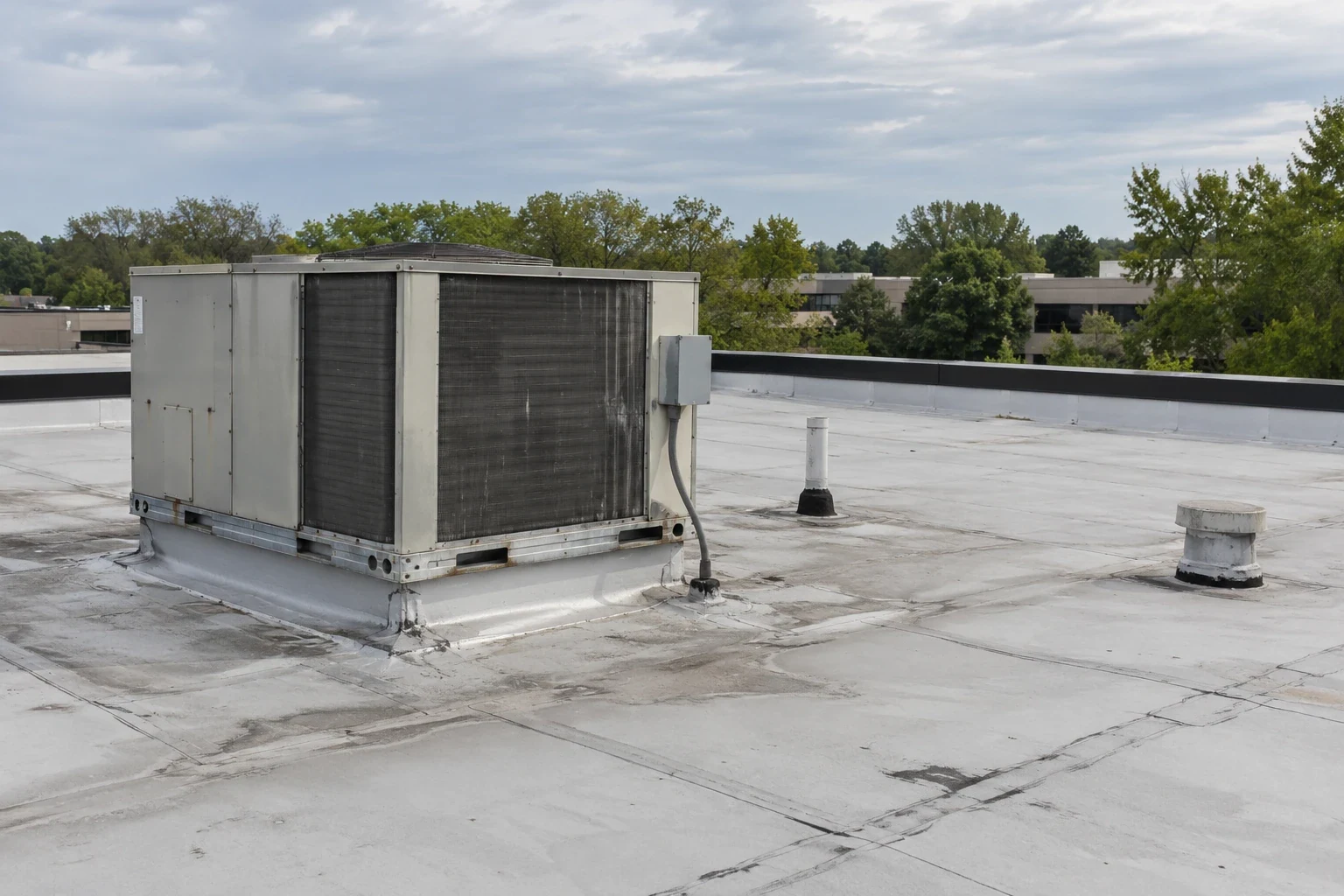
Membrane sections require a different treatment from adjoining metal roofing. Their transition needs compatible construction between assemblies. A rigid repair can be inappropriate where movement must remain available. We examine the material boundary before proposing closure. Equipment penetrations also need accessories appropriate to their actual exposure. A damaged boot or curb return can need reconstruction beyond the visible split. The contact receives those separate detail requirements. The building's shared use does not make different roof assemblies interchangeable.
We protect occupied circulation beside a removal zone over administrative or briefing rooms. Staff locate the active desks, doors and equipment below. We describe the noise-producing preparation and likely debris path. Readiness-center roofing connects classroom access to roof zones sized for secure closure. The same physical requirement matters where this project covers occupied briefing space. A roof opening should fit the room area staff can suitably control. Any relocation or operating pause comes before exposure. We keep the contact informed when the actual opening changes.
Dust and product handling can affect nearby intakes or active work bays. Appropriate equipment staff establish suitable operating precautions. We identify the preparation area and planned roofing materials for their review. Lifting zones need control against occupied ground movement. Rooftop material placement also requires proper loading and product protection. A changed concealed condition may extend the necessary construction. We communicate that boundary before the operating plan advances. Mission continuity depends on the protection actually established, not simply the stage's planned date.
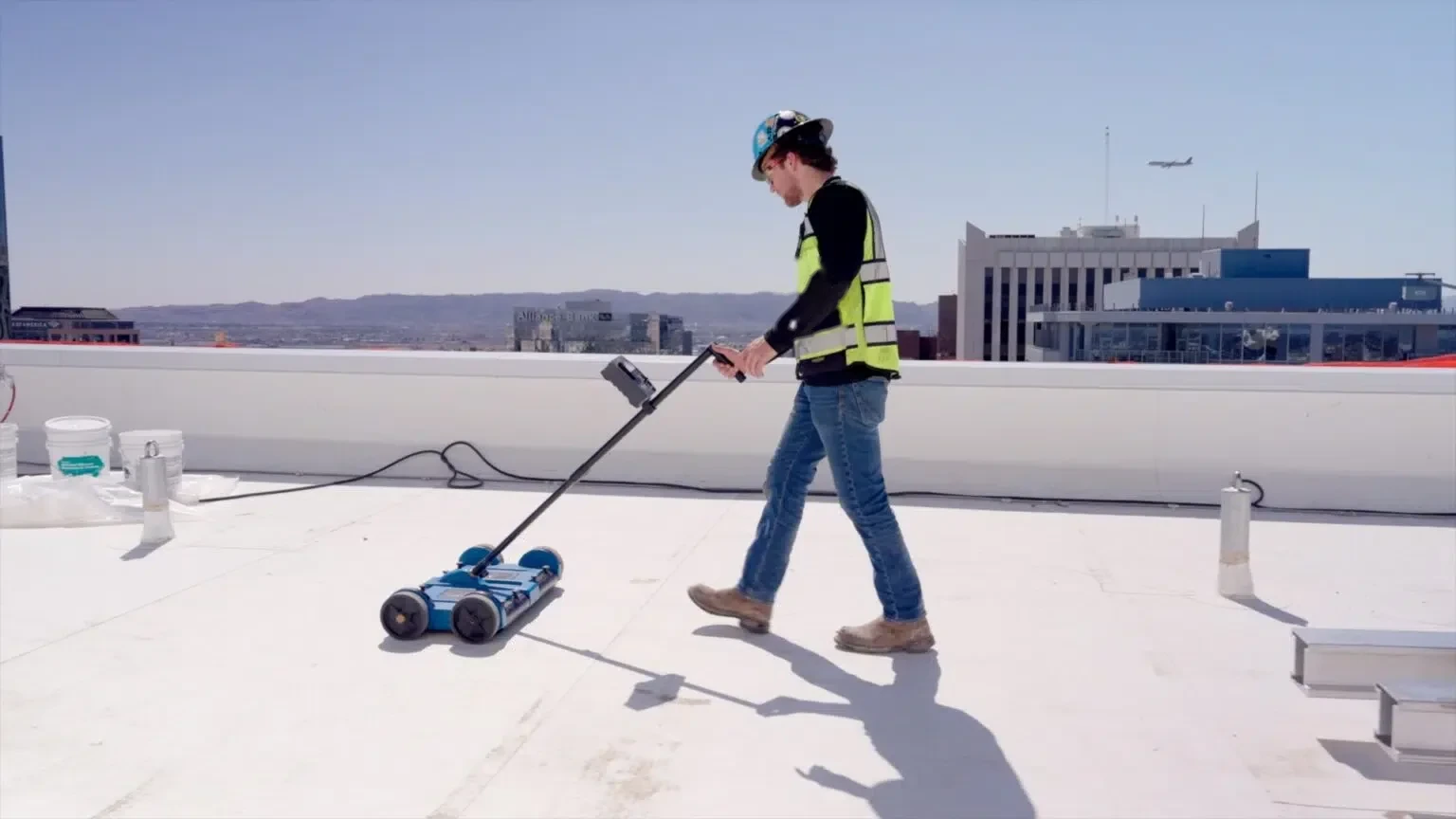
A soft area or repeated water report can justify further assembly checks. We inspect the accessible roof and identify suitable direct examination points. Moisture survey work may help select checks when the roof and conditions permit. The affected layers still need appropriate confirmation. Confirmed wet material receives an assembly-appropriate treatment boundary. Exposed deck beneath the maintenance zone needs inspection before closure. The facility contact receives those construction findings before replacement closes. The proposal should not leave uncertain retained support beneath new roofing.
Oklahoma has spring thunderstorms capable of hail and damaging winds. We examine component damage after a military-building storm report. Dented metal, torn covering and displaced attachments can require different actions. Oklahoma hot summers also influence suitable application conditions. Thunderstorms during summer can interrupt removal with heavy rain. We select openings that permit protected closure under the available conditions. The contact receives temporary protection status separately from completed construction.
Will Rogers Air National Guard Base conducted OA-1K flying training in 2026. That flying activity makes operating coordination relevant to roofing at aviation facilities. For Midwest City military-area roof work, we review the property's entry and handling requirements. Oklahoma City buildings may involve other secure or public-access arrangements. The authorized contact establishes the applicable facility controls. Completion includes inspection suited to the repaired joints and supporting details. Roofing closes against completed equipment and wall interfaces.
Accessible fragments and debris should leave the roof and its collection areas. The contact receives work locations and next care requirements. Later service additions need an appropriate supported opening through the assembly. We examine the roof-side construction before new material is cut. Maintenance should preserve drainage and access to important terminations. Interior water reports should identify the room and observed timing. We relate those observations to the relevant roof and equipment conditions. The finished roof should remain serviceable as mission equipment and building use change.
Identify the affected assembly, equipment interfaces and operating constraints. We will define suitable Air Force building roofing and its protected construction scope.
The required assembly and supporting construction govern the method. Appropriate design review establishes project criteria. We inspect the deck and retained layers against that arrangement. Suitable backing must receive the specified connection. A fastening pattern should follow the approved detail rather than a surface-only repair assumption.
Suitable interior protection and the facility operating requirements control that use. We describe the roofing opening and construction exposure. Equipment movement or an operating restriction may be necessary. The facility establishes those actions before removal. The roof stage must correspond to the protected operation available below.
A curb, wall or support alteration can determine the roof detail fit. We identify required dimensions and compatible closure space. The responsible trade completes its necessary work in the agreed sequence. Roofing then closes the assembly against that finished interface. Covering an unresolved condition leaves incomplete construction.
Direct checks may still be needed to establish affected layer condition. We select useful investigation methods for the actual assembly. Survey findings guide examination where the conditions support them. The repair boundary follows confirmed construction needs. The contact receives remaining questions before retained material is accepted for renewal.