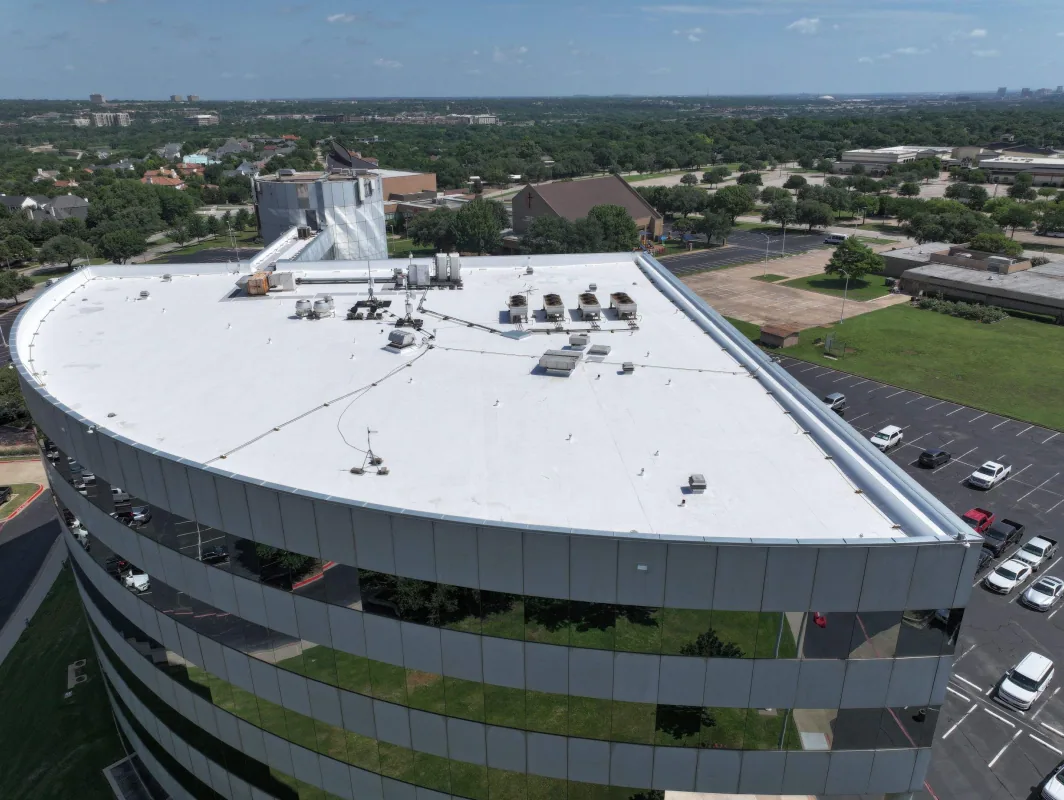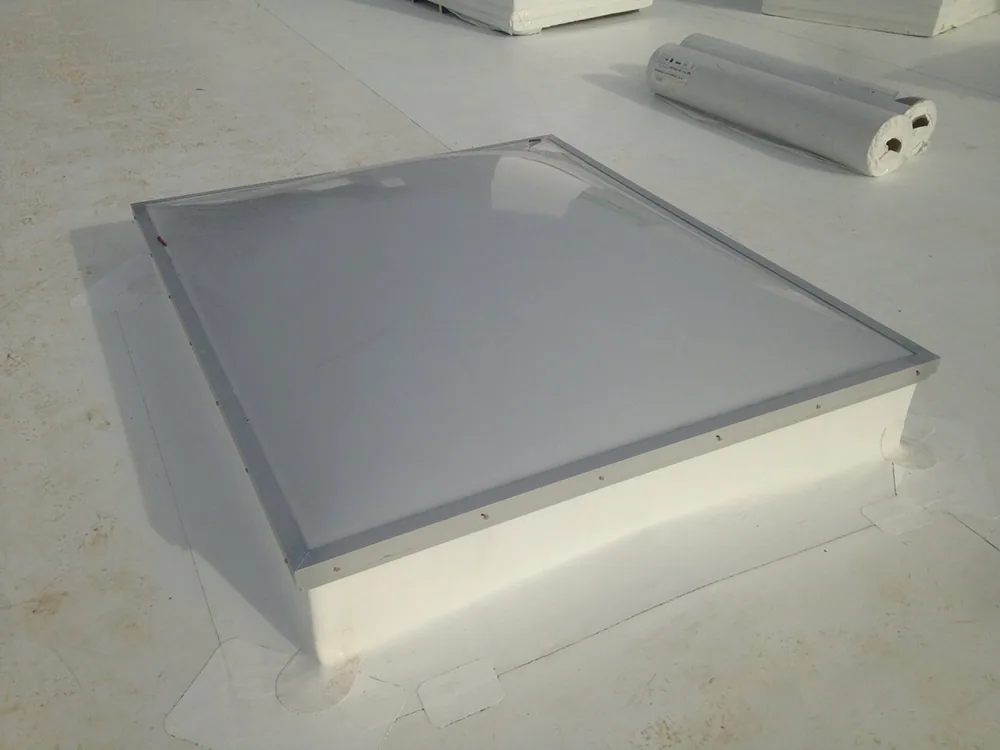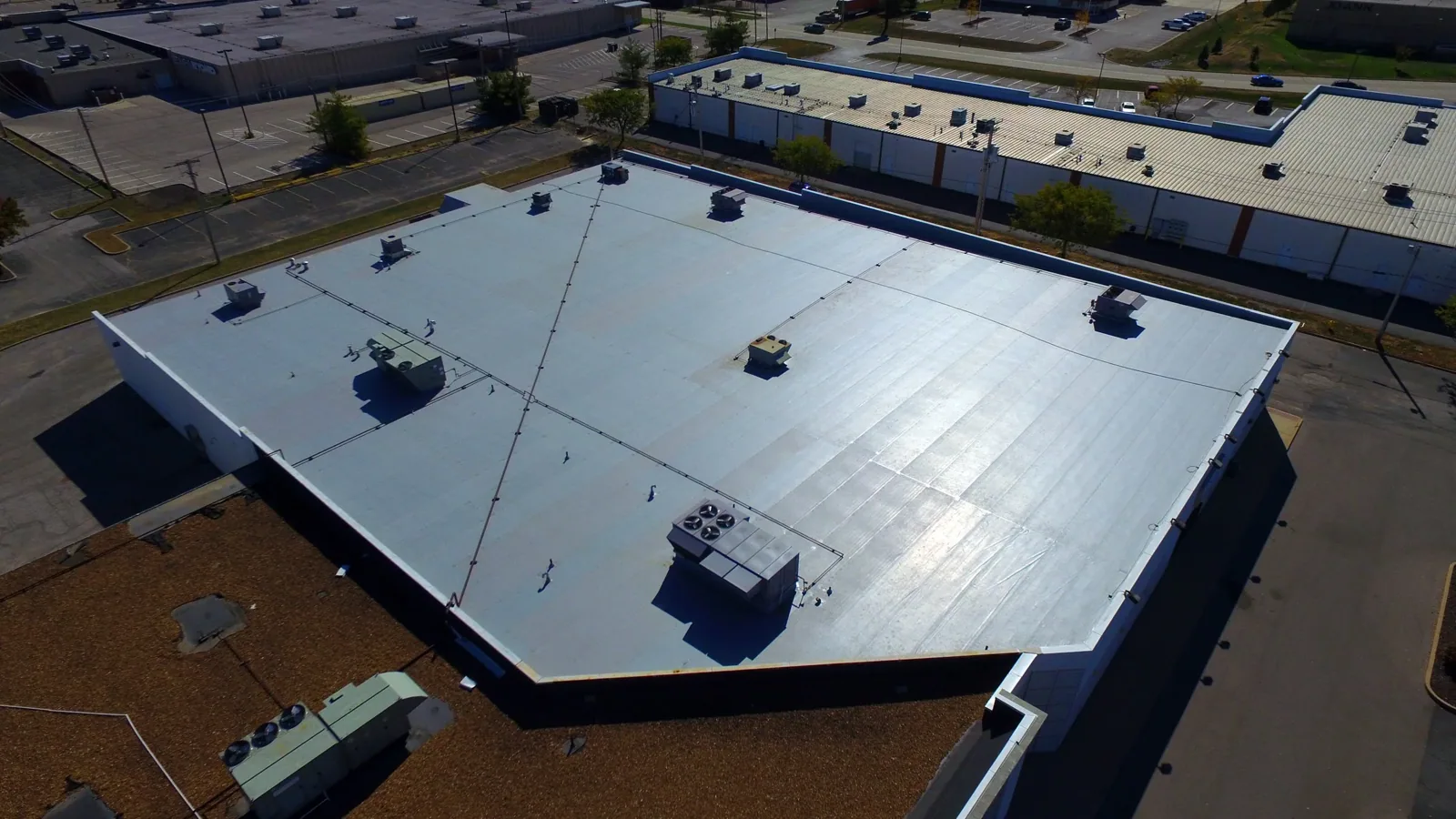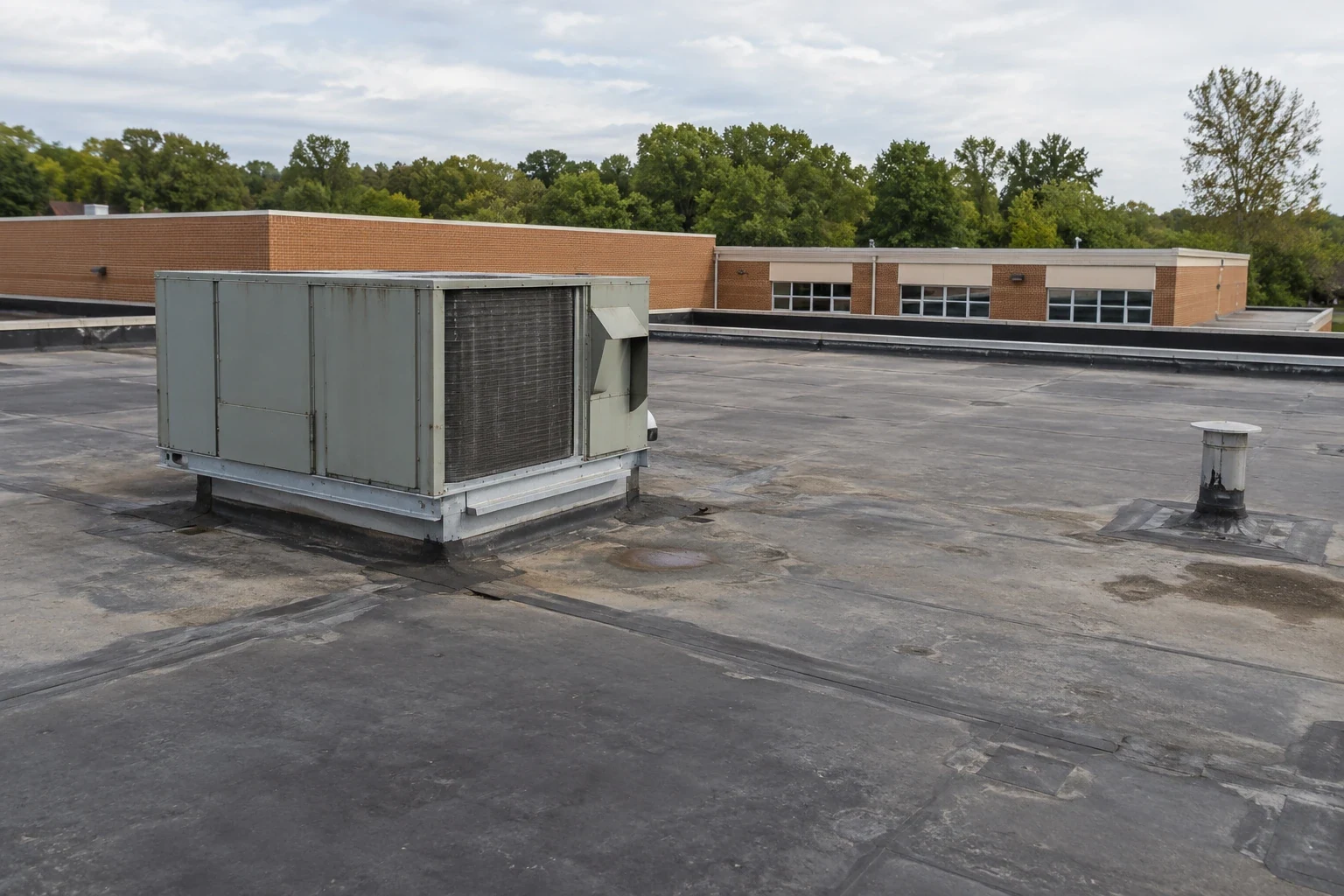

Armory classrooms and heated storage can share a roof crossed by ventilation and other services. Each opening needs a supported accessory that fits the installed covering. We examine those connections before proposing readiness-center repair. Commercial Roofing Edmond works on Guard building roofing near Edmond, OK. Training, office and equipment spaces place different demands on the construction stage. The authorized contact identifies their operating requirements. The roof assembly determines suitable material and attachment.
Edmond Readiness Center serves two Oklahoma Army National Guard companies. Its renovation included roof, HVAC and fire-suppression work along with classrooms, offices and heated storage. Mustang Armed Forces Reserve Center hosted a Guard welcome-home gathering in March 2026. Oklahoma City's Military Complex has a wellness building with fitness and teaching spaces. Coordination matters during roofing. We examine the actual layout and equipment at the project. The condition of that building governs the proposed construction.
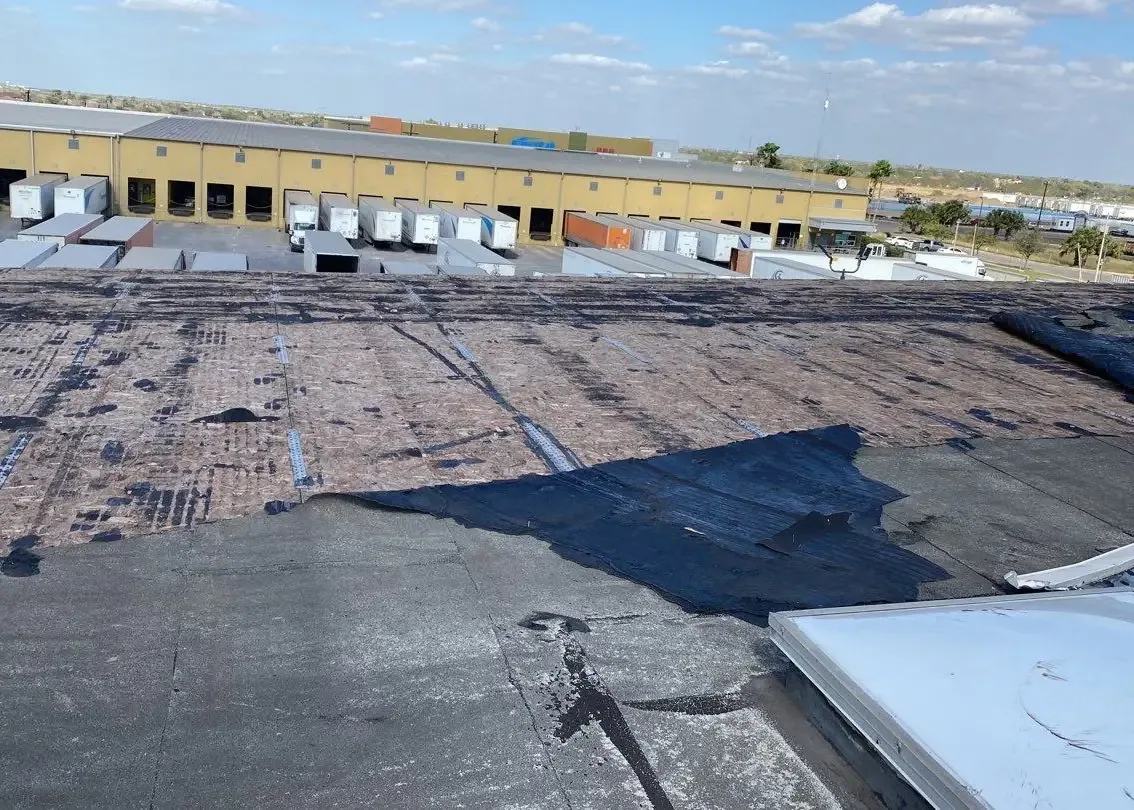
Roof removal above classroom equipment starts after suitable room protection is established. Staff identify desks, stored training material and usable entrances. Training-room roof construction places its dust-producing preparation within an agreed occupied-space boundary. We describe that exposure and the available secure stopping point. A roof stage may need reduction where the facility cannot clear more equipment. The opening should match the protected room area below. The authorized contact receives its actual limits. Revised removal proceeds only after those protections are checked for the next room.
Staff arrange contents relocation from heated storage before the exposed stage starts. The responsible staff establish those arrangements for equipment or supplies. We coordinate roofing removal against the protection available. Occupied readiness-building renewal may divide the roof into smaller closable zones. Weather and concealed damage can still change that sequence. The contact receives those conditions before the next area opens. A protected temporary boundary and a finished assembly have different purposes. Room operation should follow the actual protection achieved.
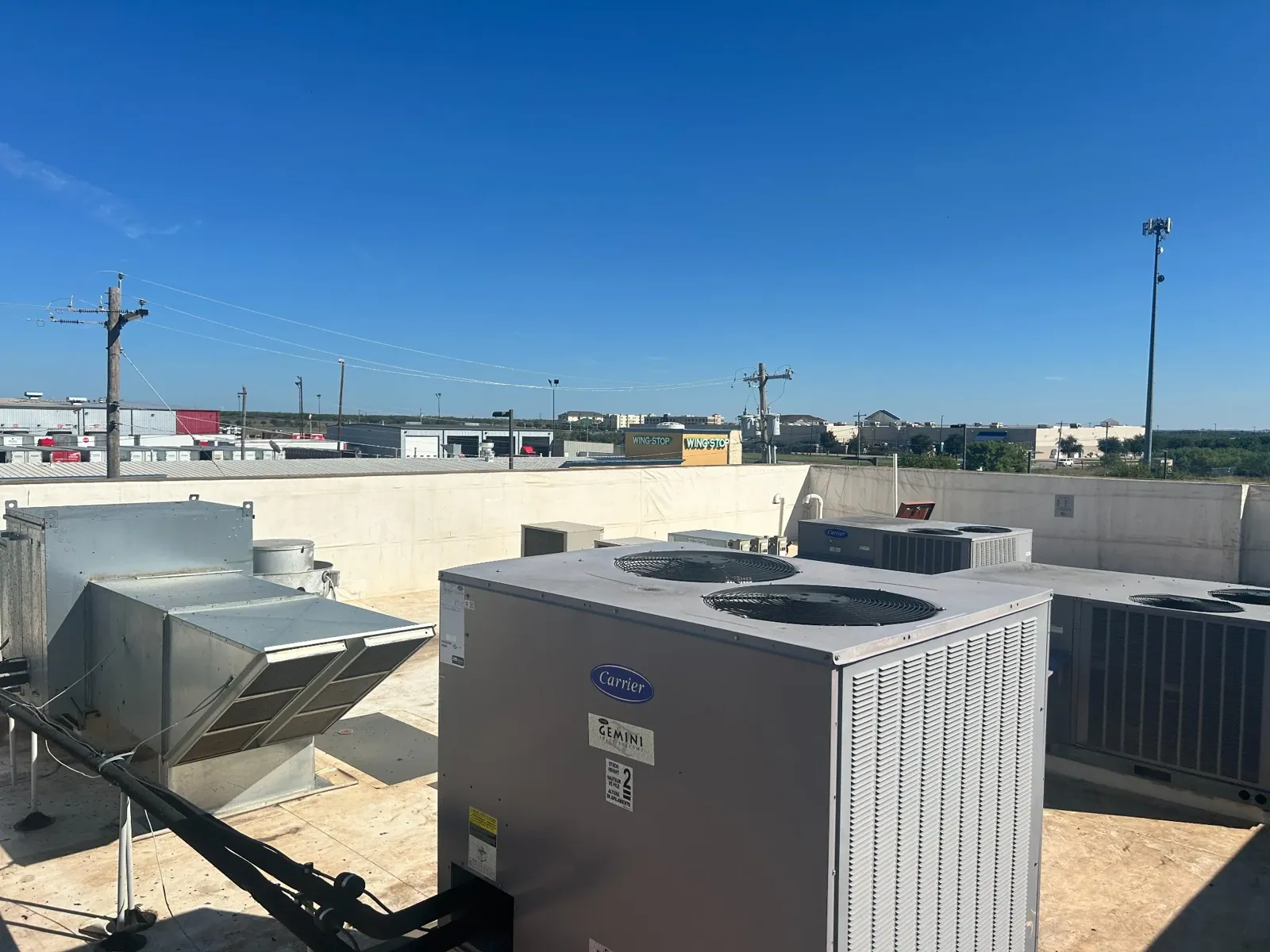
A loose pipe can strain the accessory where it crosses the covering. We inspect the service support and flashing fit separately. The responsible trade addresses pipe or equipment movement requiring correction. The roof needs an opening detail suited to that completed arrangement. Armory penetration reconstruction includes compatible base attachment and a suitable upper closure. A stretched return can require another accessory or revised service spacing. We identify those requirements before applying new sheet material. The pipe and roof should meet through a maintainable connection.
Several services grouped tightly can prevent useful individual flashing construction. An improvised opening may need alteration by the relevant trade. Its support should not depend on the flexible roof covering. A removed service also leaves layers needing appropriate reconstruction. We inspect the exposed deck and adjoining assembly before closure. Fire-suppression or mechanical work requires involvement of its responsible specialist. Roofing completes the compatible connection within that shared sequence. The contact receives the tasks necessary before the detail can finish.
A curb return that repeatedly loosens can conceal deteriorated support. We examine the attachment face and surrounding roof construction. New fasteners need appropriate holding material for the required assembly. Readiness roof support repairs may require a curb alteration or equipment action. The responsible trade establishes that work and suitable operating interruption. Roof height also influences the available return dimension. We review the planned layers against retained equipment clearances. The construction should resolve the underlying fit before the finish closes.
We directly examine surrounding layers where the field is soft beside a curb. Damp insulation can require a wider construction boundary than the damaged return. We identify exposed deck deterioration before replacement covers it. We protect stored contents during military storage roof projects where support examination opens over supplies. The contact receives the roof area affected and the supporting work required. Structural concerns need the appropriate professional response. The repaired curb and field should then connect over usable construction. Inspection occurs while the corrected backing remains accessible.
A new field assembly can change the height at curbs and wall returns. We examine those dimensions before choosing a covering. TPO is one possible covering when its complete assembly suits the project. We compare the selected system's current installation details with curb heights, seams, attachment and accessories. Appropriate design requirements govern insulation and attachment. The facility's applicable project criteria also govern the proposed work. We connect material choice to those physical interfaces. A surface sheet should not be selected apart from its supporting construction.
Drainage deserves the same review before new thickness reaches the outlet. A flange and finished field need elevations that permit useful runoff. A retained component may need adjustment to complete that geometry. Changes to discharge capacity or piping require their respective review. The director receives roofing-side and other-trade tasks separately. Access for later drain cleaning should remain available. New equipment supports should not obstruct that service route. The assembly should close with usable outlets rather than inherit an unfinished drainage problem.
A readiness center can need controlled entry for vehicles and roofing personnel. The authorized contact establishes site access and escort requirements where applicable. We explain lifting, disposal and the planned removal area. Guard installation roof work needs review of the owner's project criteria and authorized operating arrangements. The project team confirms the required assembly and inspection duties. Materials need suitable roof storage and loading review. Ground handling must remain controlled against occupied movement. The work sequence should be feasible under those established conditions.
Oklahoma can experience winter cold outbreaks as well as hot summers. The selected roof products need their specified application conditions through those changes. Summer thunderstorms may also interrupt open construction with locally heavy rain. We arrange stages capable of suitable protected closure. Training schedules must allow for those installation conditions. Safe access limits the work possible during severe weather. The facility receives the current status if conditions interrupt the stage. A scheduled exercise cannot replace the roof protection its occupied spaces require.
Mustang Guard-area roof projects require review of the property's entry and operating needs. Oklahoma City Guard buildings can have other room combinations and service constraints. Norman Armed Forces Reserve Center combines Guard and Army Reserve uses with administrative, training and maintenance areas. Project-specific protections must be established for those activities before roofing opens. We examine the building assembly rather than assume the same method across facilities. Completion includes the checks appropriate to repaired seams and accessories.
The contact receives roof locations and supporting findings that affect later care. Accessible debris should leave the service paths and outlets. New cables or replacement units need compatible closure wherever they alter roofing. We examine the proposed interface before the covering is cut. Water reports should identify the affected room and observed conditions. Recent trade activity can help choose the relevant examination. Maintenance then preserves inspectable service connections and useful drainage.
Identify the affected detail and rooms beneath the proposed work. We will define suitable Guard building roofing and the construction sequence its protection requires.
The available protection and operating requirements determine that boundary. We locate both spaces beneath the proposed opening. Facility staff arrange contents, access and room restrictions where necessary. The selected construction must reach suitable closure. A shared roof does not remove the separate protection needs below it.
Movement can strain an otherwise suitable roof accessory. We inspect the service arrangement alongside the flashing itself. The responsible trade may need support correction before roofing proceeds. The selected accessory then closes around the completed service. Its base and upper detail must fit the actual pipe exposure.
The equipment connection may need alteration to preserve usable flashing dimensions. We examine the proposed field height before installation. A lift or revised curb can require other-trade work. The facility coordinates its operating effect. Roofing should finish against the corrected support instead of burying a short return.
We examine the accessible defect and surrounding assembly condition. Direct checks may establish wet layers or damaged backing beyond the opening. The treatment boundary reaches suitable retained construction. The contact receives the physical findings behind any expanded removal. The operating sequence then fits the protection available for that scope.