
Depot loading areas place active handling beneath roof collection and eave connections. A leaking gutter joint or damaged closure can interrupt that movement. We examine the roof and collection components separately before repair. Commercial Roofing Edmond handles military storage and depot roofing near Edmond, OK. Supplies, maintenance activity and equipment can require different protection below the work. The authorized contact identifies those uses and available construction zones. The installed assembly determines its repair and attachment requirements. Material handling should remain controlled while the actual roof connection is rebuilt.
Tinker's Oklahoma City Air Logistics Center performs depot maintenance and supply-chain work. Midwest City has industrial and technology parks. Tinker lies at the city's southern boundary. Norman Armed Forces Reserve Center combines Guard and Army Reserve use with administrative, training and maintenance areas. That operating mix makes room and handling coordination relevant during roofing. We examine the actual project assembly before proposing removal. Supporting condition and material compatibility guide its scope. The facility's operation then shapes how the construction is protected.
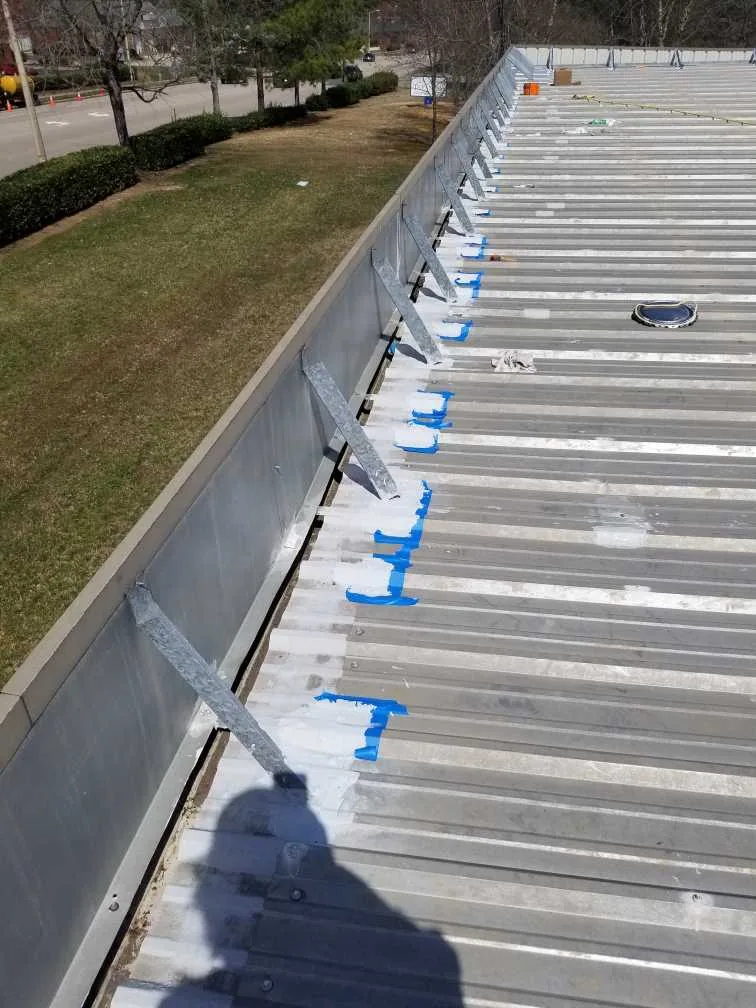
A gutter can leak through a damaged joint while the nearby covering remains sound. We inspect its attachment, accessible discharge and local seams. A blocked downstream component may require another correction. Military building drainage work distinguishes those collection tasks from the roof-side connection. Changes in capacity or piping need their appropriate review. The assembly must suit the intended runoff route. We identify the tasks needed to leave it functioning. Closing an exposed sheet opening should not leave the separate discharge defect unresolved.
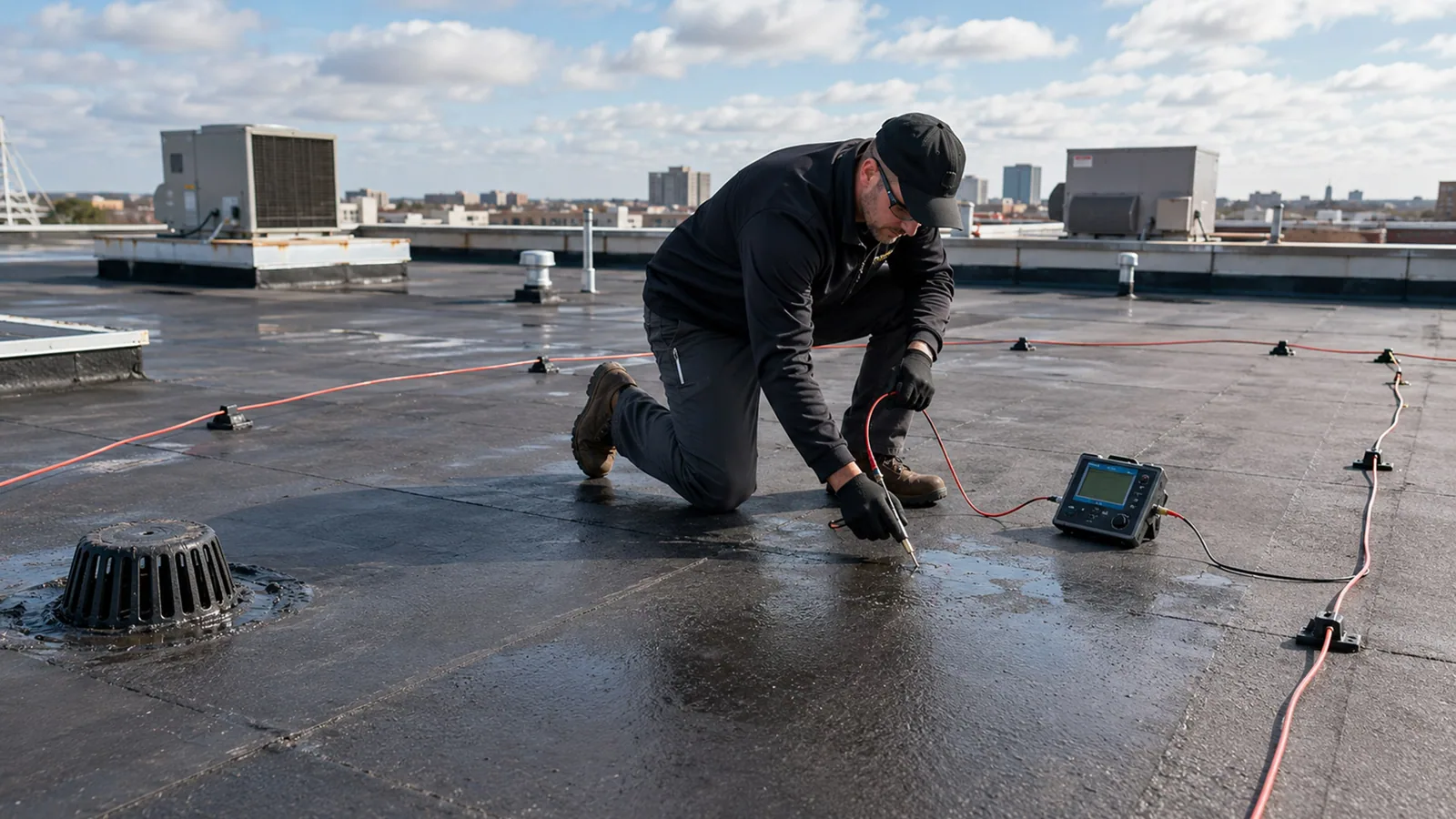
At a low-slope outlet, the flange and finished field need useful relative elevations. A raised local connection can hold water around an open bowl. We examine that geometry before new insulation reaches the component. The outlet detail needs a compatible contact surface and joining method. Service routes should retain access for cleaning and inspection. Supports or equipment may need adjustment where they obstruct that use. The facility contact receives those interface requirements before field placement. The roof should finish with usable drainage rather than only a new covering.
A loose field can indicate deteriorated attachment beneath the visible covering. We inspect accessible material and select concealed checks where necessary. Depot roof-layer reconstruction needs backing suited to the specified assembly. Damaged deck construction may require professional review before roofing continues. New material should not hide a holding surface unable to serve its connection. The project design establishes the required loads and system details. We explain supporting findings before the repair is closed. The proposed boundary reaches suitable retained construction.
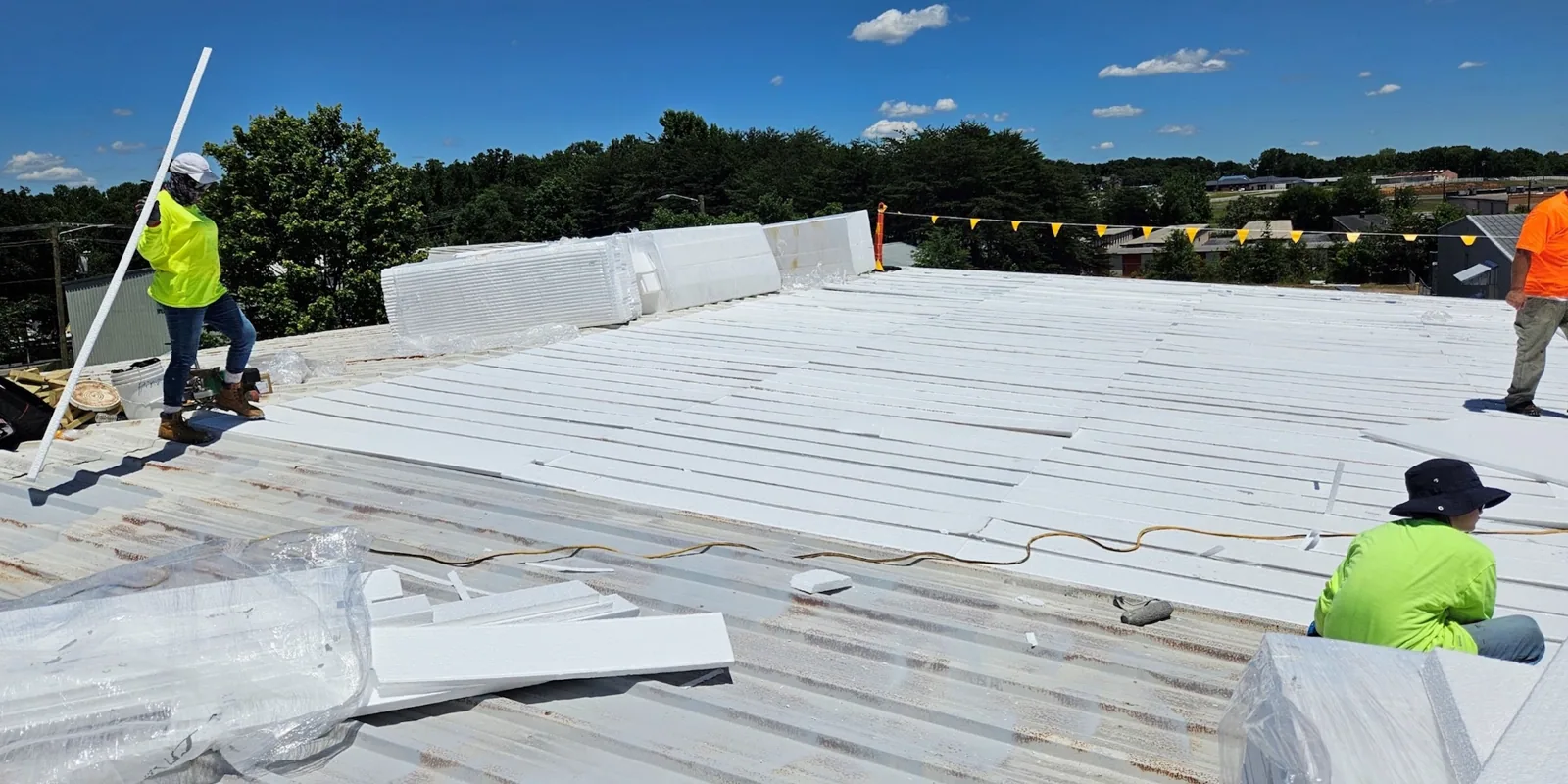
Wet layers can increase the necessary removal area around a local defect. The actual concealed condition needs examination rather than an assumed narrow cut. Storage-roof assembly inspection identifies observations and checks affecting that treatment. Broad deterioration can favor renewal over separate isolated repairs. We show the physical condition behind that choice. Stored contents influence the protection needed during removal. They do not establish whether retained roofing is suitable. The authorized contact receives both the construction requirement and the operating exposure it creates.
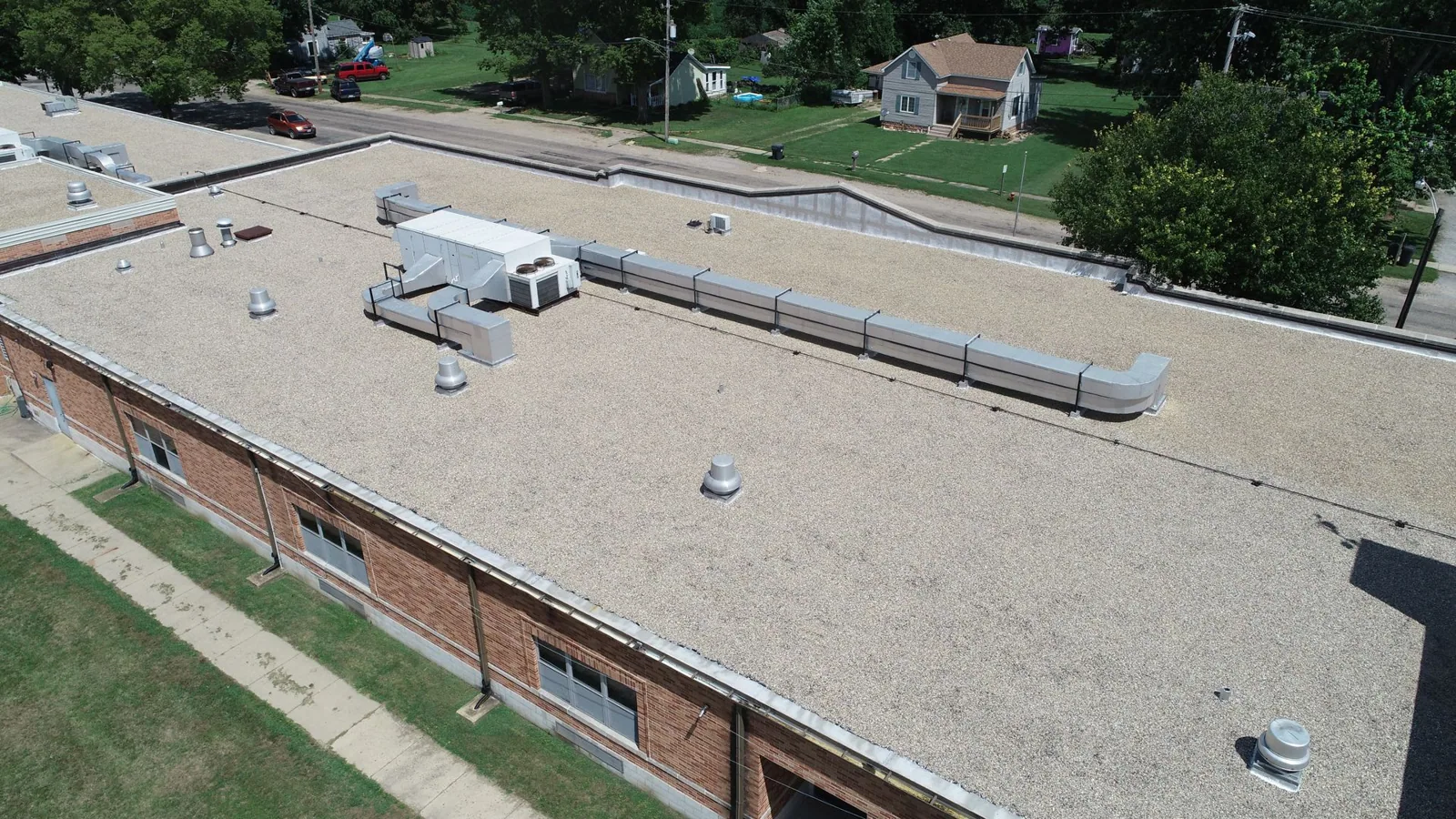
A built-up assembly has different repair requirements from a single-ply sheet. Built-up depot roof construction requires compatible layers and an appropriate finished surface. We examine the existing material before selecting treatment. Residue and deteriorated contact can change preparation or removal needs. Equipment exposure should be reviewed where it affects product suitability. The entire assembly needs suitable attachment and drainage. A field method should include its penetrations and wall returns. Those connections determine whether local repair can be completed usefully.
Restoration requires suitable retained field material and local details for the specified treatment. Military storage roof restoration includes necessary seam and penetration repairs before liquid application. Wet layers may require removal instead of another surface coat. In areas with sensitive component work, production roof work coordinates preparation dust and product exposure with facility staff. We identify those conditions for the operating review. The chosen method must reach a properly prepared surface. Its finish should meet completed details rather than hide an unresolved return. The proposal identifies supporting work required first.
We identify the contents boundary before opening a roof above stored supplies. Facility staff arrange relocation and operating restrictions where necessary. We describe the likely debris route and required water protection. At a bay used for aircraft service, aircraft maintenance roofing matches overhead exposure to the protected equipment footprint. The same roof stage may also affect nearby maintenance stores. We establish suitable controls for each area before it opens. Removal should leave a usable secure stopping condition. Concealed findings can require the protected boundary to be extended.
Lifting and disposal can cross loading routes used by facility personnel. The authorized contact establishes ground movement and secure entry conditions. We describe the handling space roofing needs during each stage. Roof staging requires suitable loading and product protection. Nearby intakes may need equipment staff to establish other precautions. Planned materials and preparation methods should be included in that review. Applicable design and installation requirements need confirmation in the project documents. The operating sequence then fits the approved assembly. A work date cannot substitute for those physical and access arrangements.
Midwest City military storage roof projects require review of the property's actual access and handling arrangement. Norman maintenance buildings can have other work-bay and contents constraints. Oklahoma autumn is a secondary severe-thunderstorm period. We examine actual roof components after reported storm damage. Long hot Oklahoma summers also influence material application temperatures. We choose conditions suited to the specified joining method. Exposed construction should permit protected closure if weather changes. The contact receives temporary status and permanent work still required.
Completion includes the appropriate examination of field joins and repaired collection details. Accessible fragments should leave the roof and outlets. The contact receives finished locations and unresolved equipment or other-trade tasks. Later service additions need supported compatible openings through the covering. We examine that roof-side connection before a new service is installed. Maintenance should preserve runoff and reachable terminations. Interior water reports should identify the affected area and relevant activity. Those observations guide another useful examination. The roof remains part of the depot's operating equipment after the project closes.
Show us the affected collection detail, stored contents and construction constraints. We will define suitable military depot roofing and its protected work stage.
The actual collection and roof connections determine the repair location. We examine gutter joints, discharge components and the eave closure. Different defects can need separate tasks. The proposal identifies the physical findings behind each treatment. A water observation below does not establish which upper component needs construction.
Suitable contents protection must be established for the actual opening. The facility arranges relocation or operating restrictions as necessary. We describe roof exposure and the required closure. The construction stage should fit the protected area available below. A changed removal boundary may require revision of those arrangements.
The proposed attachment needs supporting construction able to receive it. We examine accessible support and select useful concealed checks. Damaged material may require another trade or professional response. The project assembly must suit retained layers and actual loading requirements. Renewal should follow that condition review rather than hide an unresolved support.
Local joints, outlets and service details need suitable preparation and treatment. We examine those connections against the selected product requirements. Wet or deteriorated layers can require removal instead. The facility receives the construction tasks necessary before application. The finish should meet repaired details throughout the treatment area.