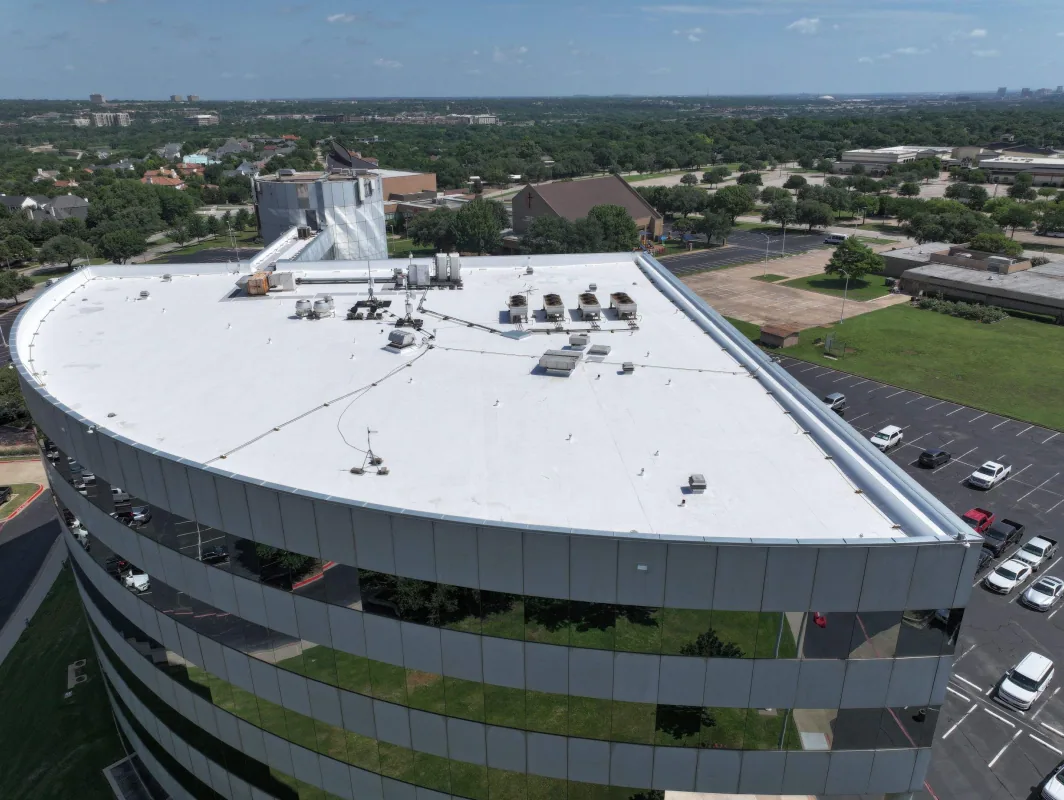

Guestroom ceilings can sit directly below a hotel roof's equipment returns. Opening those returns puts roof debris and water exposure over occupied space. Commercial Roofing Edmond coordinates hospitality group roofing in Edmond, OK. We inspect the installed assembly at each proposed construction location. The property contact identifies guestrooms, service rooms and public routes affected below. Materials and concealment govern the physical repair boundary. Room availability helps establish which protected stage can proceed. The group receives a connected construction and operating scope, with each property's actual roof conditions retained in the decision.
Oklahoma City has interstate, rail and airport access supporting regional business activity. Guthrie's economic setting includes tourism alongside industry and agriculture. Downtown Edmond has outdoor dining and walkable local businesses. Those surroundings can make ground circulation important to a hospitality roof stage. We examine the property's own guest entrance and service approach. A roofing delivery requires a controlled route where public use overlaps it. The local setting informs that arrangement without prescribing the building's roof type. Construction proceeds from the actual assembly, protected rooms and usable closure interval.
A proposed removal strip can cross more guestrooms than its first visible leak suggests. We locate the overhead construction against the occupied rooms. Occupied hotel roof replacement divides work into suitably protected openings. The operator arranges room restrictions and necessary contents movement. We describe removal debris, roofing products and water exposure from the method. A concealed defect can extend that boundary into another room area. The property contact receives the changed footprint before construction advances. A room-release plan should match the actual opening rather than only the planned surface repair.
A hospitality property can also contain dining equipment beneath or beside the work. Restaurant roof staging coordinates intake precautions and food-area protection with preparation methods. Property staff establish the precautions appropriate to that operation. Equipment personnel handle any required ventilation controls. We identify the roof zone and products affecting their assessment. A new opening or method may change those restrictions. The director receives that issue before the next stage begins. An available guestroom block does not by itself make adjoining food-service exposure acceptable. The roof sequence must account for both uses.
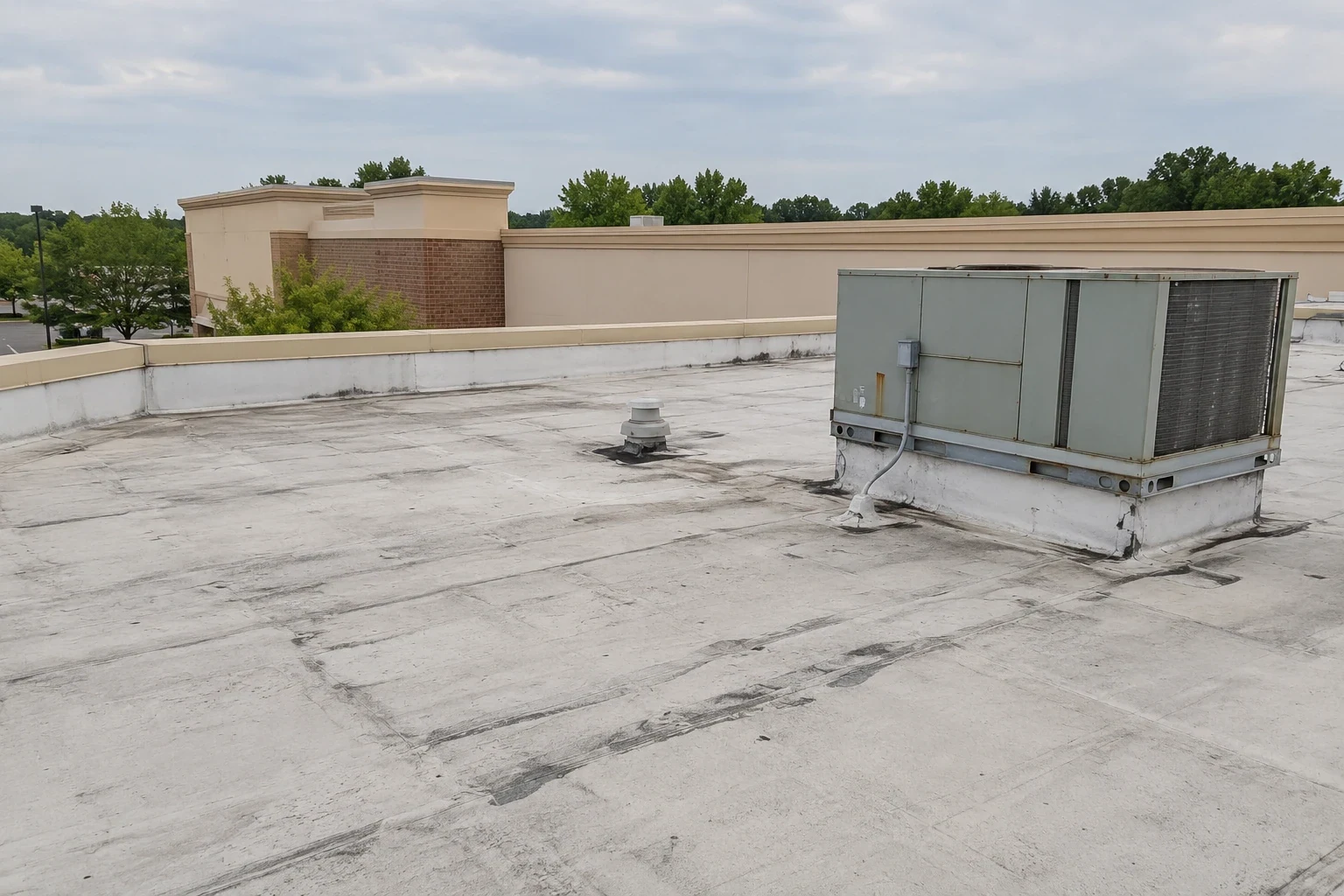
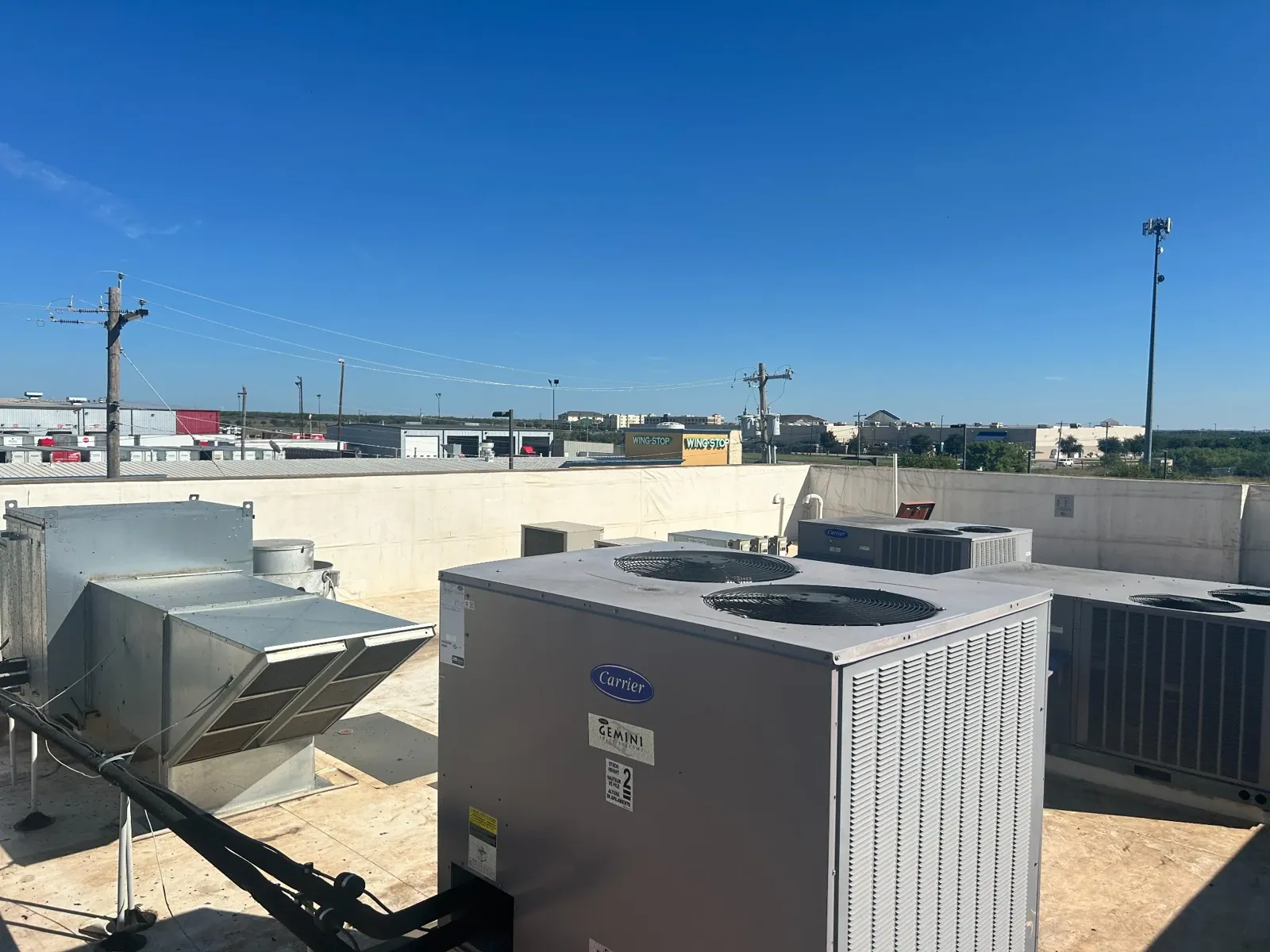
A raised hotel equipment curb may have little return height above a later recover layer. We examine that dimension before proposing another assembly. Hospitality equipment support repairs identify the roof-side reconstruction and required supporting tasks. The mechanical trade may need to lift or alter the unit. New support loads or locations can require design review. Flashing should connect to suitable backing through its specified attachment. We establish that holding condition before closing the surface. Equipment service clearance must remain useful after the field and accessories are completed.
A roof-to-wall return can retain loose material beneath an apparently intact face. We inspect accessible backing and the upper closure. Hotel flashing reconstruction addresses that connection rather than concealing movement with more surface compound. Adjacent wall damage may require another responsible trade. The roof repair should identify that task before its finish stage. New insulation dimensions also change the available return height. We compare that relationship against the selected assembly requirements. A useful proposal includes the complete termination, not just the visible sheet replacement beside it. The director receives those connected construction implications.
Two hotels with similar guest layouts can have different concealed roof condition. One may retain serviceable insulation while another requires broad wet-layer removal. Hospitality acquisition roof examinations identify assembly observations relevant to a property decision. We inspect accessible field, outlets and accessories before selecting useful concealed checks. Access limitations may leave another examination necessary. The group receives that location with the proposed construction consequences. A material name or completion date cannot establish the remaining support condition. Physical findings should remain tied to the particular asset being considered.
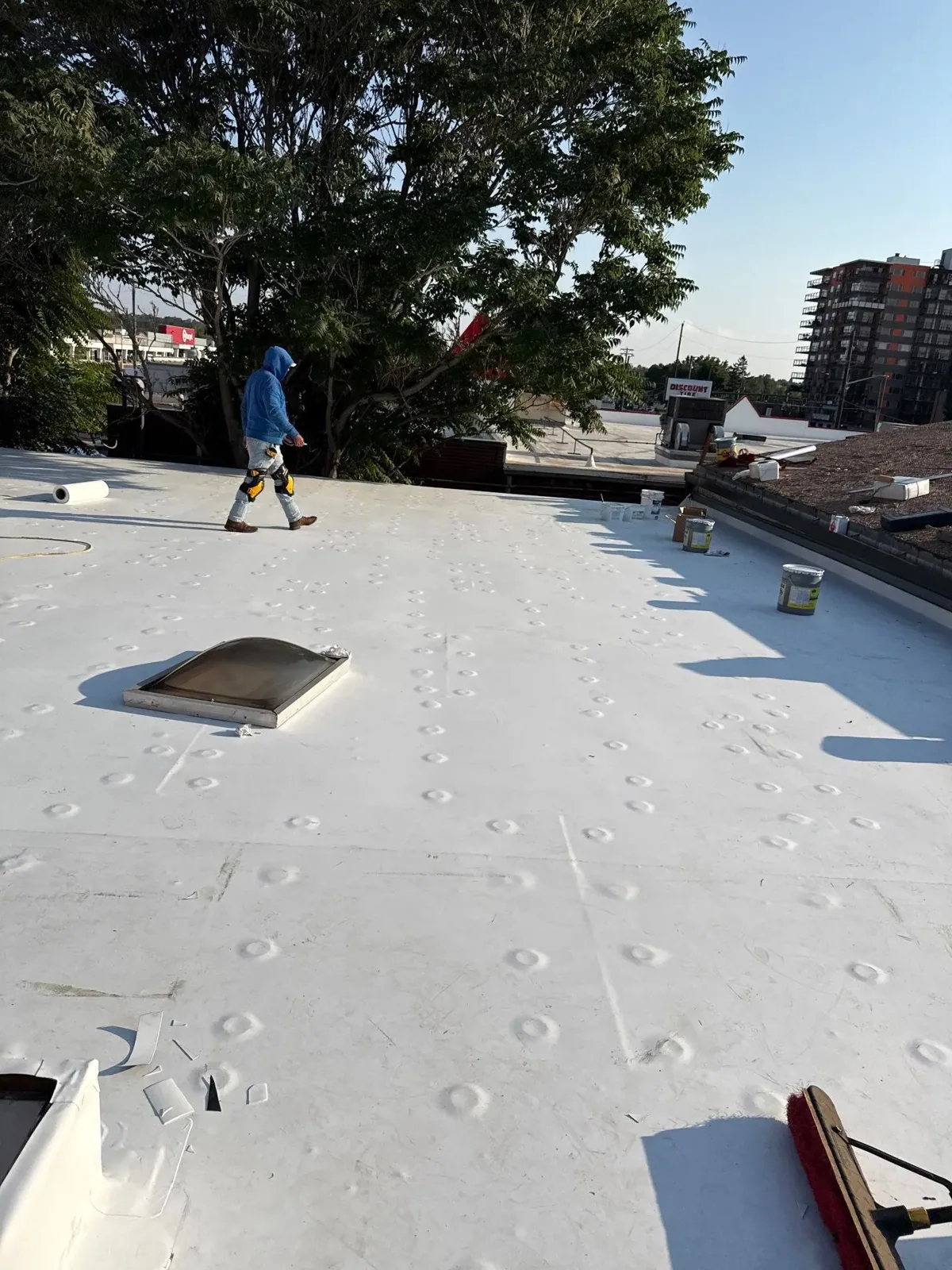
Roof investment planning distinguishes local reconstruction from broader renewal using current support and interface conditions. At a hotel, the room-protection arrangement also influences phasing. We describe removal, retained layers and required accessory work together. Options may differ in disposal, deck attention and equipment coordination. A recover proposal requires suitable retained construction and applicable project review. Coating requires a compatible prepared substrate and treated defects. The group can compare those tasks against protected construction intervals. Repeating one property's covering choice elsewhere would miss the physical differences that change its useful scope.
A hospitality roof zone must reach a suitable stop before its protected interval ends. Bonding, curing and welding requirements govern the chosen method. We examine weather and work-area conditions before application. Oklahoma's generally hot summers can restrict acceptable product temperatures. Summer thunderstorms can interrupt an opening with intense local rainfall. The proposed stage should allow the protection required by its actual unfinished condition. A smaller opening may be more useful than a large area left exposed. The director receives the changed construction interval before guestrooms return beneath that work.
Urgent hotel roof containment can address an opening when safe access and present conditions permit temporary work. We examine reachable defects and identify appropriate temporary protection. Staff arrange room restrictions and qualified attention to damaged interior equipment. The temporary roof status remains separate from final reconstruction. Wet retained layers can require removal before a permanent finish is useful. We describe that treatment and its protected footprint. A trading deadline cannot settle an unsafe opening or incomplete connection. The property receives the physical next task before its operating plan changes.
Downtown Edmond hospitality roofing requires review of actual guest circulation and usable delivery space. Outdoor dining near a property can require a protected boundary beneath roof handling. We arrange project movement with the authorized facility contact. Roofing storage needs appropriate loading review and material protection above. Completion checks address reconstructed returns, seams and accessories using suitable methods. Other specialists finish their respective equipment tasks. Accessible outlets should remain clear after disposal. The property contact receives the completed zone and remaining restrictions before rooms or public areas resume their planned use.
Later guestroom water observations should identify the room and relevant timing. Equipment service or wall changes can help direct the next examination. We inspect the accessible connection against those observations before selecting another repair. Maintenance should preserve reachable outlets and useful service clearances. Newly installed equipment needs compatible roof closure within its construction sequence. The group should retain located findings for the affected property. Larger renewal choices can then follow its present assembly condition. Continued operation stays connected to practical roof care rather than an assumed treatment copied from a different hotel.
Identify the affected rooms, equipment details and usable protection intervals. We will define fitted hospitality roof work at the relevant property.
The actual overhead opening and its removal effects govern the area. We relate the construction boundary to rooms beneath it. Property staff arrange the required restrictions and contents protection. Concealed damage can expand that footprint. The changed zone receives review before additional material is removed.
We examine retained layers and interfaces at each proposed property. Similar room layouts do not establish equal curb heights or moisture conditions. We identify removal and supporting tasks separately at each asset. Operating windows can also differ. The group can compare options while preserving those physical differences.
The complete assembly must include a suitable equipment connection. We examine the retained curb and proposed field height. A lift or alteration may require mechanical and design attention. Roofing closes after the needed supporting work. The director receives that sequence with the covering proposal.
We identify unfinished joins and remaining construction restrictions at the zone. Appropriate checks follow the selected assembly. Property staff manage the related interior and guest-use arrangements. Other equipment tasks may still affect that release. The operating contact receives current status before changing the protective boundary.