
Above a hangar door, the roof eave must close without interfering with the operating assembly. Displaced metal or a loose return can admit water at that junction. We examine the roof connection and supporting construction before repair. Commercial Roofing Edmond repairs aviation building roofs in Edmond, OK. Aircraft bays, workshops and adjoining offices can require different details. Their use also changes the handling and interior protection available. The facility director receives a construction scope tied to those conditions.
Guthrie has a regional airport among its commercial and industrial uses. Oklahoma City combines aerospace activity with interstate, rail and airport access. Those regional building contexts make aircraft protection and controlled handling important during roofing. We examine the actual hangar arrangement and service routes. The aviation use informs the operating plan. The installed roof and support condition determine the necessary construction.
A hangar door can have moving components close to the roof termination. We identify the accessible interface with responsible facility staff. Supporting metal, flashing and wall closure need separate examination. Roofing repair should not alter an operating component without the appropriate trade involved. The selected detail must preserve required clearances. Eave metal repair includes sound backing and the suitable fastening arrangement. A loose trim face can conceal other deterioration behind it. We expose enough construction to define that treatment.
Water at the door opening may also arise from wall joints or collection components. We follow the accessible route rather than assume the eave sheet alone is responsible. A gutter or downspout defect needs its own repair boundary. The roofing closure should meet the adjoining components correctly. Equipment specialists handle door adjustment or operating defects. We identify the roofing-side work that needs completion around their action. The director receives those connected responsibilities. The finish should leave the hangar entrance useful without concealing an unfinished upper joint.
We control interior exposure before opening the roof above aircraft. The facility establishes equipment movement and suitable protection. Military hangar roof construction coordinates the removal footprint with protected aircraft and maintenance fixtures. We identify that physical footprint at this aviation project. Overhead preparation can require equipment relocation beyond the active bay boundary. The roof stage must fit the area available for secure closure. Its handling zone should remain controlled for the entire opening. We explain any changed construction limit before the equipment arrangement advances.
Preparation dust or roofing products can affect nearby equipment and active maintenance tasks. The director identifies the precautions those operations require. Manufacturing roof projects coordinate preparation near sensitive component work with appropriate facility controls. We describe the products and roof zone for that operating assessment. Lifting and disposal also need controlled paths beside active bays. A concealed defect can extend the removal area. The contact receives its changed boundary before work exposes more equipment. Suitable protection should remain in place until the stage reaches its required closure.
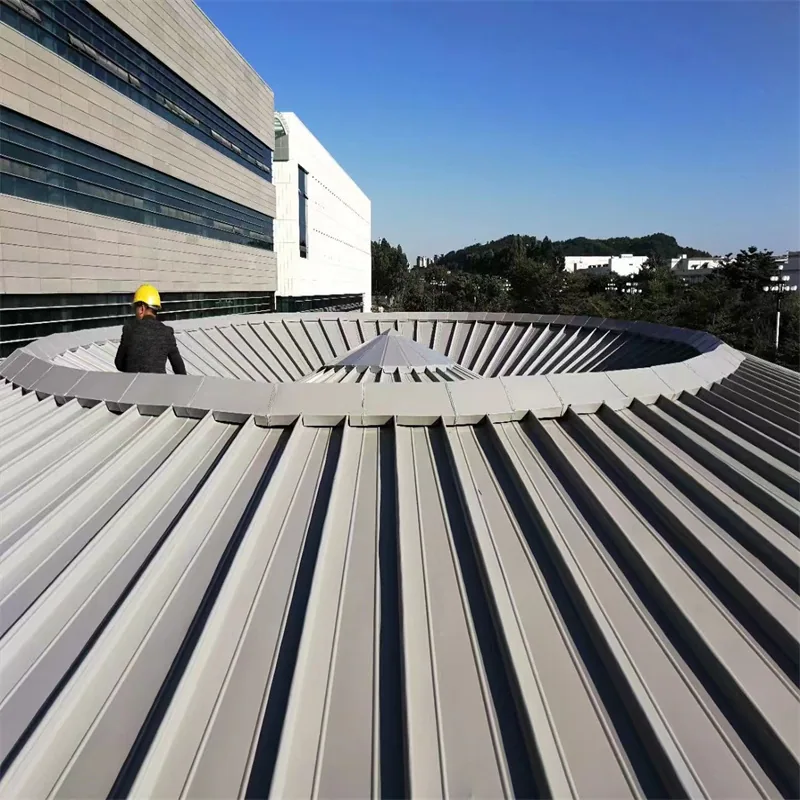
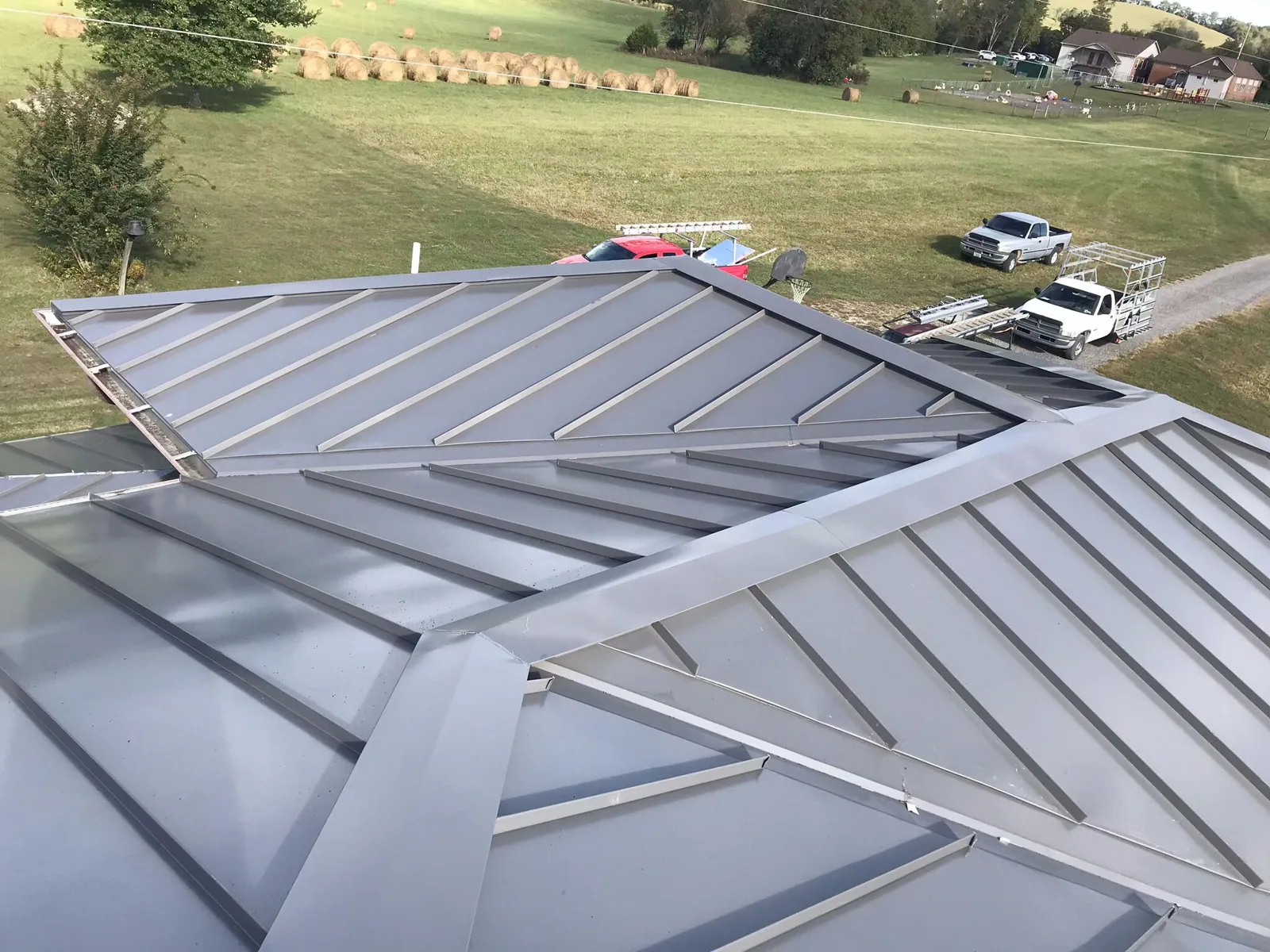
We examine the physical arrangement of a split seam or corroded panel lap. We inspect the sheet profile and attachment to its support. Standing seam construction preserves its intended clip and engagement behavior. An extra exposed fastener can be unsuitable where movement is required. Replacement material should match the selected repair detail. Local corrosion may require a broader sheet boundary than the visible opening. The connection should reach usable supporting construction. We describe that boundary before installing the finish.
A retrofit assembly also needs more than intact-looking old panels. Its required attachment and structural support need appropriate review. Clearances at walls, curbs and the hangar door may change. We examine those dimensions when proposing renewal. Existing collection components must fit the new roof geometry. Concealed deterioration can add work once supporting layers are exposed. The director receives those dependencies with the material proposal. The new system should fit the building without inheriting unresolved panel or support defects.
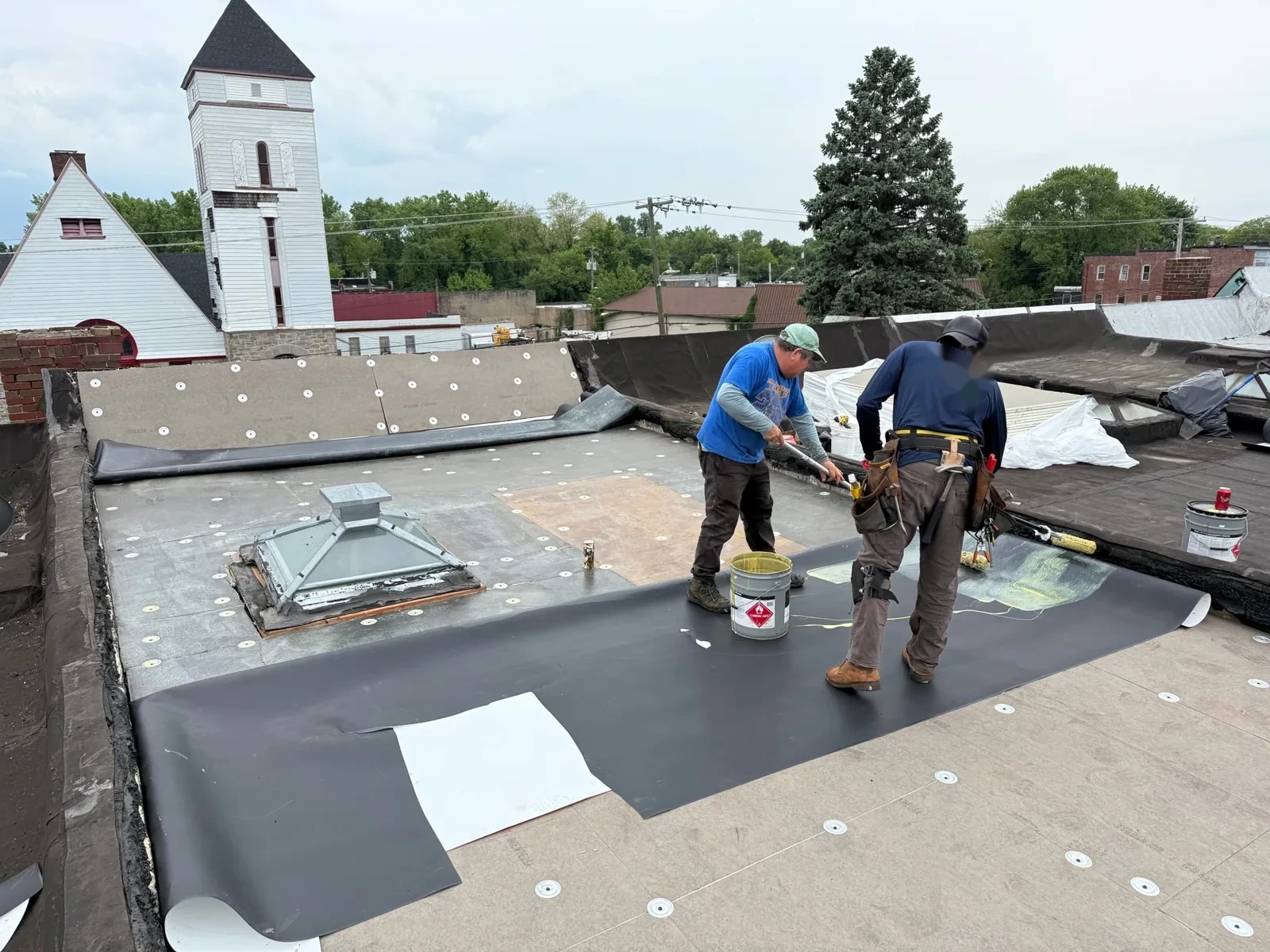
A workshop addition may have a membrane roof beside the main hangar panels. We inspect its covering and the transition to the adjoining section. The two materials need compatible local detailing. Aviation roof repair should address each assembly's actual defect. Wet insulation or damaged deck material requires appropriate examination. A local repair needs sound retained layers around its connection. The supporting structure can require professional attention where deterioration affects capacity. Surface treatment should follow those findings rather than hide them.
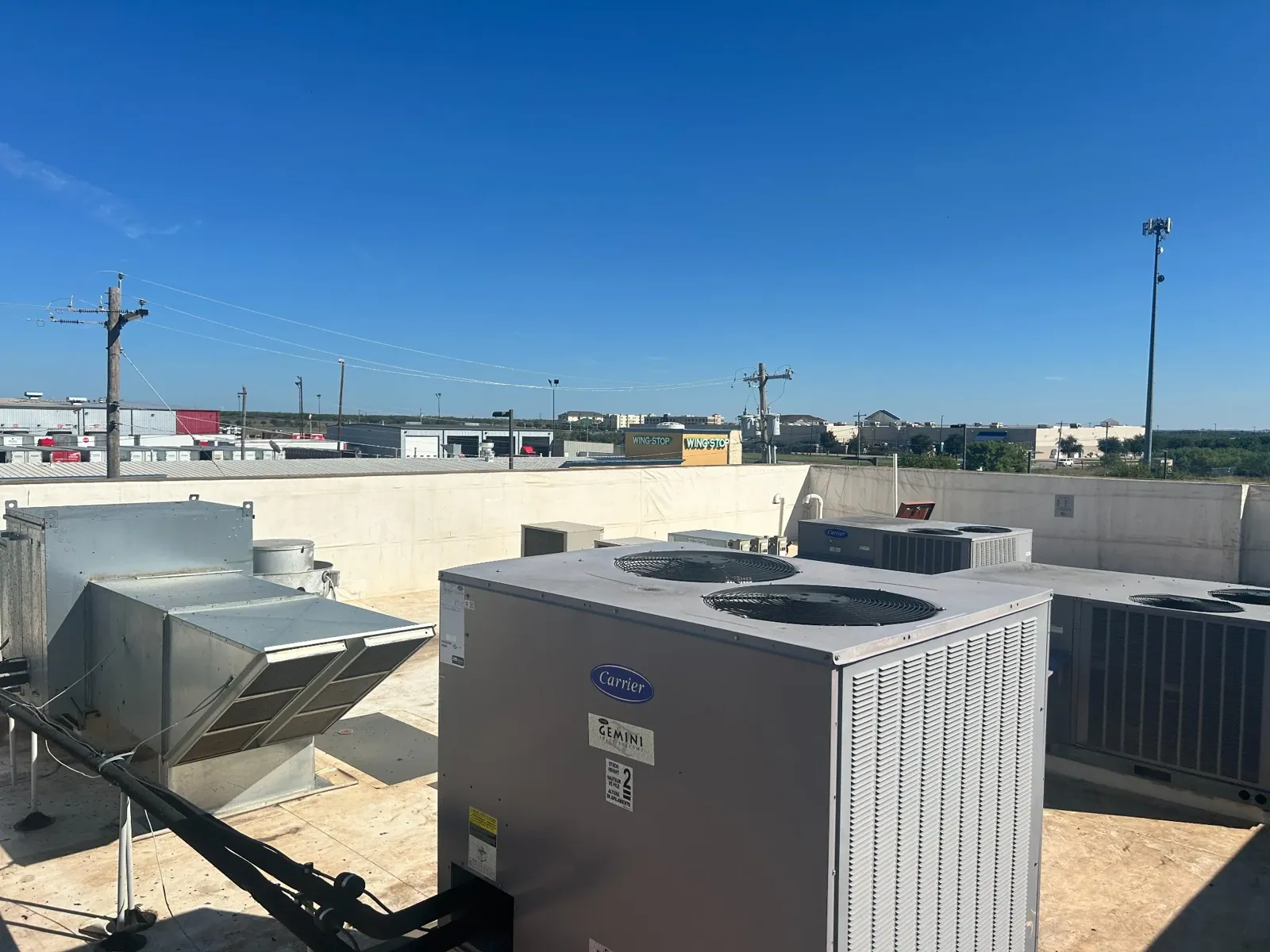
Equipment penetrations on an adjoining section can introduce other water routes. The pipe or curb needs suitable support independent of a thin sheet return. We inspect its accessory fit and available flashing dimensions. New service arrangements may need alteration before proper closure is possible. The responsible equipment trade establishes its own operating work. Roof equipment support correction joins that sequence through the required roof detail. The finished assembly should remain accessible for later service.
A damp panel joint can prevent suitable bonding for the selected sealant. We check surface preparation and application conditions before closing it. Oklahoma summer heat affects hangar roof preparation. Seasonal thunderstorms can bring locally heavy rain. That statewide exposure affects available construction windows. A roof zone should be sized for appropriate work and secure stopping. The aviation schedule must allow for those material requirements. Wind can also restrict lifting or work at an exposed roof edge. We communicate those conditions to the facility contact.
Spring Oklahoma thunderstorms can bring hail and damaging winds. After a reported event, we examine actual roof and accessory damage. A panel dent needs different assessment from a displaced closure or puncture. The proposal identifies defects needing construction rather than treating every mark alike. Temporary protection may precede complete reconstruction when safe access and current conditions permit the work. The director receives the current closure status and remaining task. Aircraft-area operation should follow the actual protection established at that stage.
Tinker Air Force Base has depot maintenance and flying operations. Its Navy hangars supported depot work in 2010. Will Rogers Air National Guard Base included a hangar in 2022 and conducted flying training in 2026. Those uses bring mission and equipment coordination into military roofing. Installation roof work can require base access, escorts and applicable federal construction criteria. The responsible facility establishes the project's operating and entry requirements. Roofing then fits the authorized scope and protected work areas.
We assess the property's vehicle and equipment routes before Guthrie aviation roof work. Oklahoma City aviation buildings may have another secure-access arrangement. We coordinate deliveries and roof handling with the authorized contact. Rooftop storage requires suitable load and product protection review. Completion includes appropriate checks of panel joints, eave closures and penetrations. Loose fragments should leave the roof and accessible collection areas. The director receives completed locations and unresolved interfaces. Later aviation service work needs a compatible roof closure wherever the assembly is altered.
Show us the eave junction, panel condition and aircraft-area constraints. We will define suitable aviation roofing and the handling sequence needed for the work.
The physical interface determines whether door-trade coordination is necessary. We inspect roof closure, backing and available operating clearance. Roofing work should preserve the required equipment space. A door defect belongs with its responsible specialist. The proposal identifies the separate work needed for a completed junction.
Corrosion or a damaged joint can leave unsuitable contact material. We examine the lap or seam and supporting line. The selected treatment should rebuild the intended physical connection. Surface preparation must also suit the repair product. Additional compound cannot restore missing sheet strength or failed engagement.
The facility establishes the necessary equipment movement and operating restrictions. We explain the roof opening, handling and required protection. Relocation or another suitable interior arrangement may be necessary. Each construction stage should fit the protected area available below. We review the operating arrangement whenever the roof boundary changes.
Their actual materials and condition may require different work. We examine both assemblies and the connection between them. Each repair needs suitable backing, compatible details and secure closure. The director receives the scope for the separate sections. Their interface must meet correctly even where the roof methods differ.