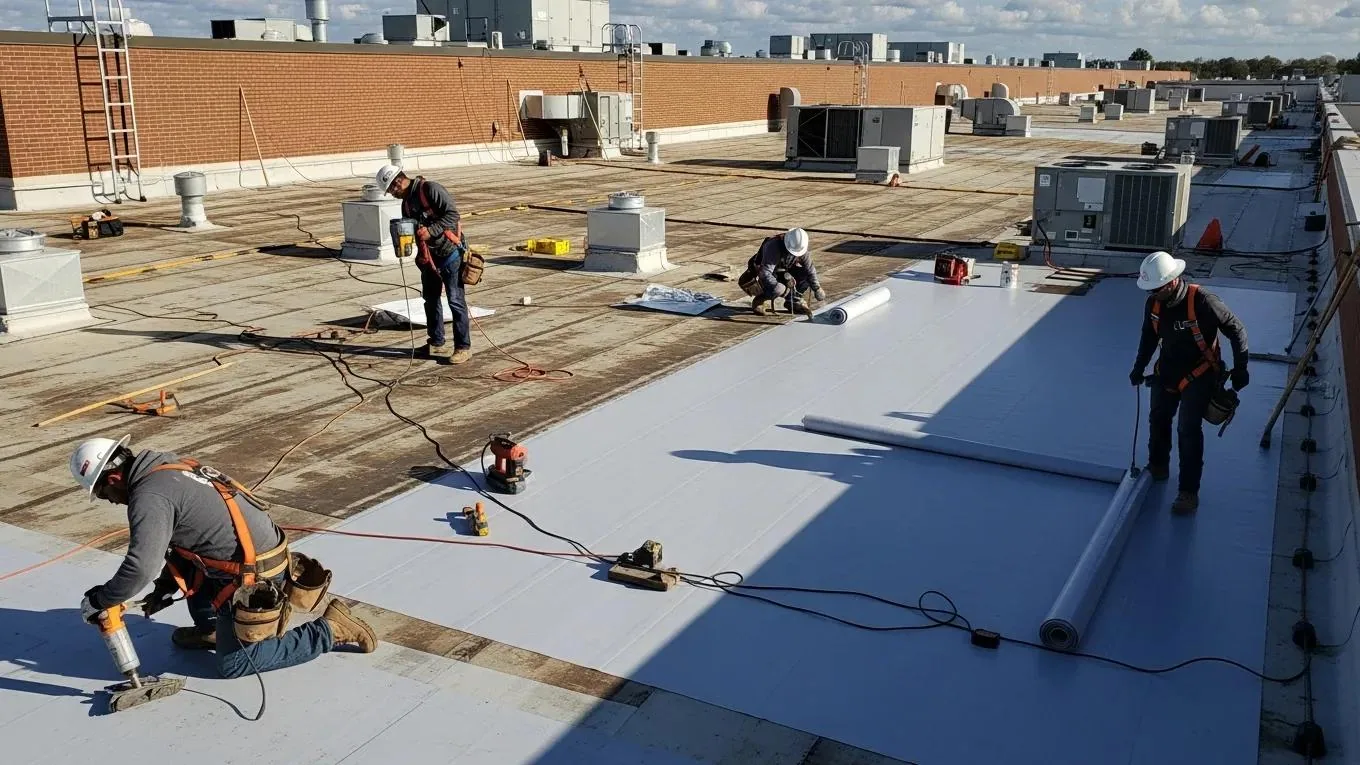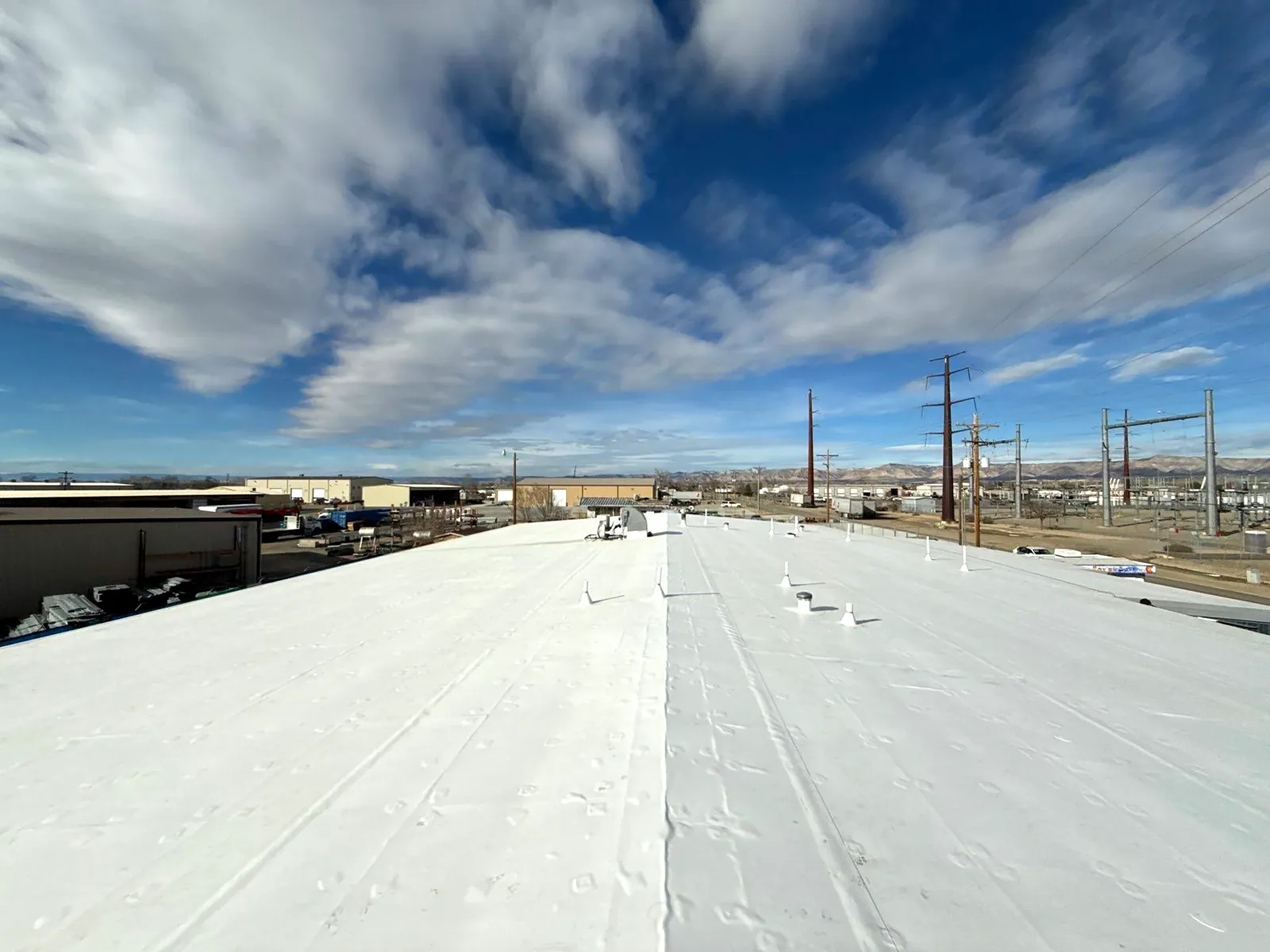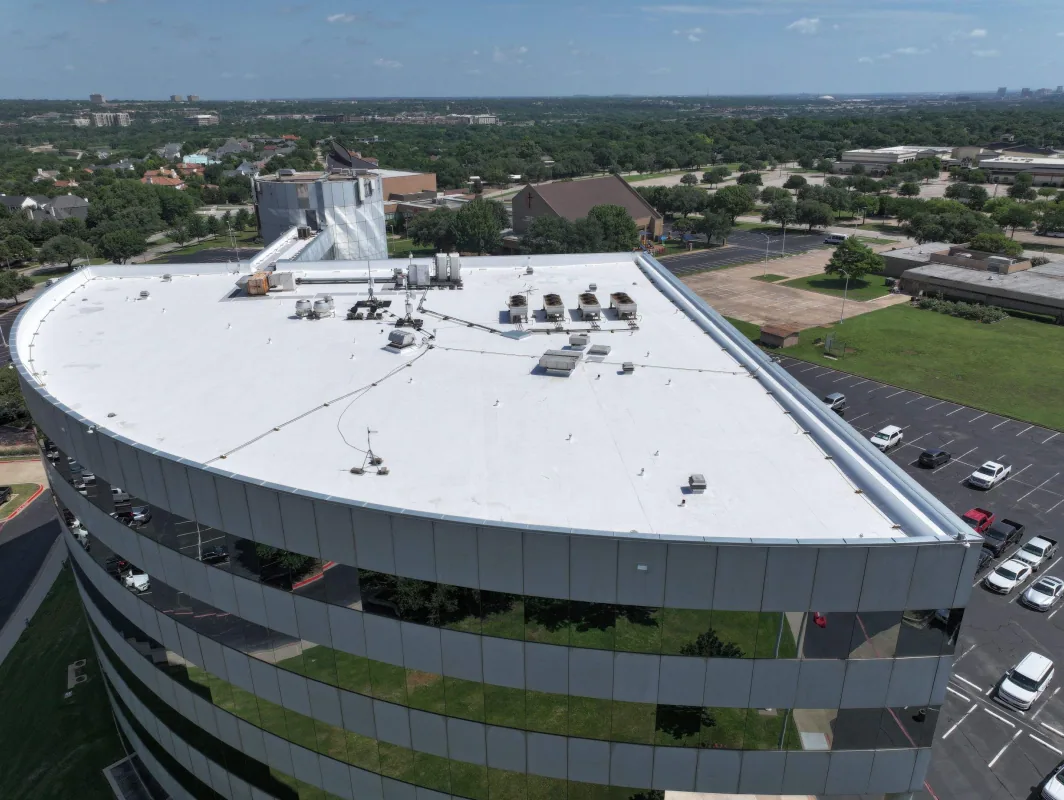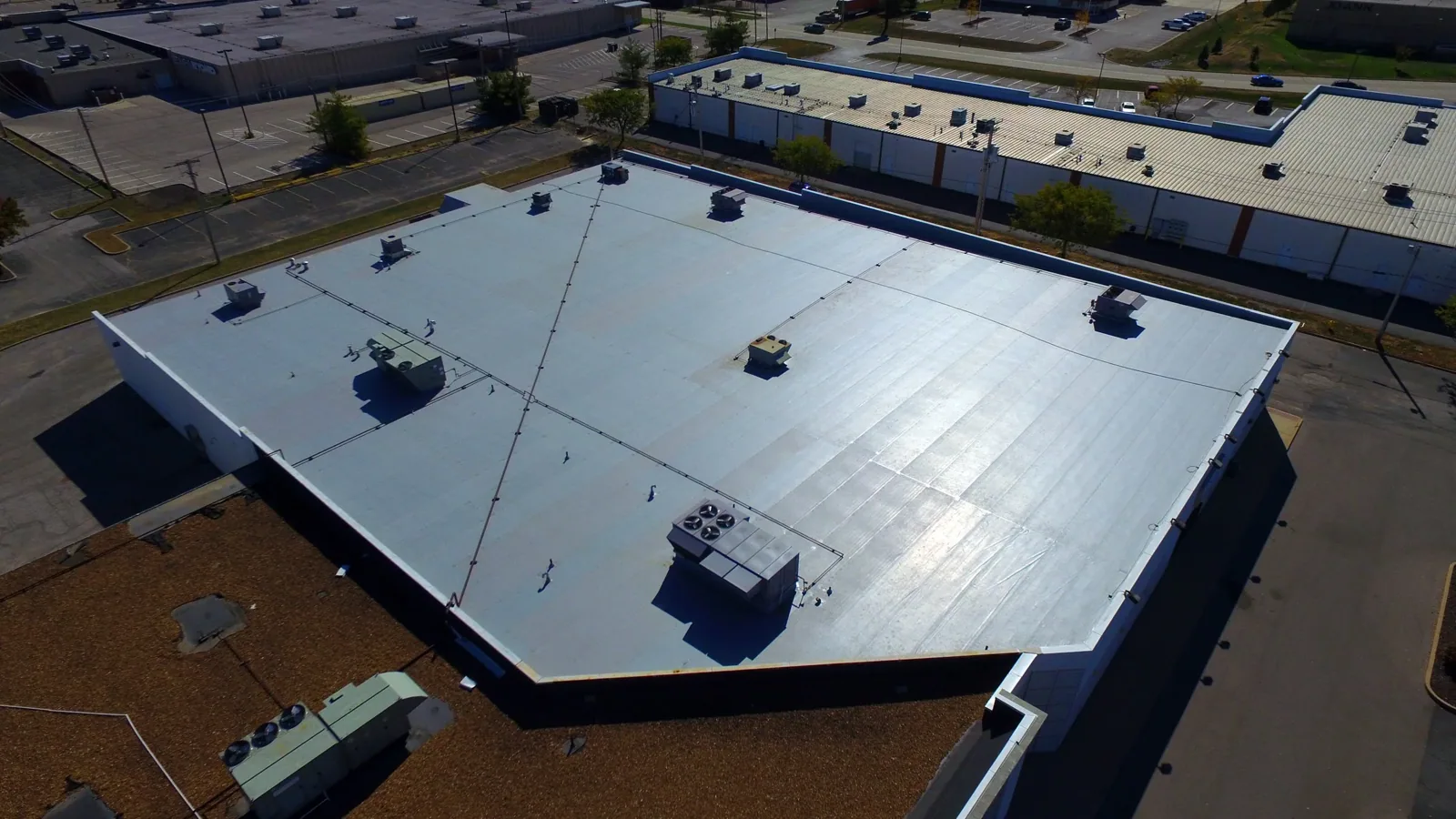
A retail roof with GAF single-ply material can retain a curb altered by later equipment work. Repair should fit that actual connection as well as the sheet. Commercial Roofing Edmond handles GAF commercial roofing work in Edmond, OK. We identify the installed system and examine accessible layer condition. The director receives preparation, supporting tasks and compatible accessory requirements together. GAF offers commercial single-ply and asphaltic roofing options with different installation methods. The chosen assembly governs its details. A manufacturer's name helps identify the system, while the physical roof determines the useful repair or renewal scope.
Downtown Edmond includes local businesses and outdoor dining. Mustang has restaurants and national retailers. Bethany's building setting includes health-care institutions and entrepreneurial businesses. These uses can place occupied rooms beneath a commercial roof repair. We inspect the actual equipment or collection interface before selecting its opening. Facility staff arrange appropriate contents, intake and circulation precautions. The material above establishes preparation and compatible joining requirements. The protected operating footprint below helps set the workable stage. Local building use should stay connected to those practical construction decisions at the property.
GAF EverGuard TPO and EverGuard PVC are distinct thermoplastic membrane options. TPO roof reconstruction uses the specified compatible materials and joining detail for its assembly. PVC work follows its own applicable system requirements. We examine the retained sheet before selecting repair preparation. A weathered or contaminated surface may need removal to a suitable joining boundary. Asphaltic roofs require different methods from welded thermoplastic fields. The installed construction should be identified before material is ordered. The director receives a repair based on the actual system rather than one interchangeable product across different coverings.
The field sheet is only part of a complete commercial assembly. Insulation, cover board, attachment and accessories affect its useful finish. We inspect accessible backing and the connection beneath the proposed repair. A damaged support layer can require removal before roofing closes. New loads or attachment changes may need design review. The selected GAF system details govern compatible preparation and accessory treatment. We identify the required physical tasks with their locations. A useful proposal preserves the supporting construction that the covering needs, not just the visible replacement sheet at an isolated surface defect.
A clean-looking seam can still have unsuitable contact beneath an old repair finish. GAF single-ply seam reconstruction examines the retained material before selecting its compatible joining method. Contamination or deteriorated sheet may expand the repair boundary. The new detail needs suitable contact and the specified accessory dimensions. We check the actual assembly requirements before finishing. Appropriate joint examination follows the intended method. The director receives preparation and removal tasks together. Closing the visible split should not leave loose support or an incompatible surface beneath the permanent repair.
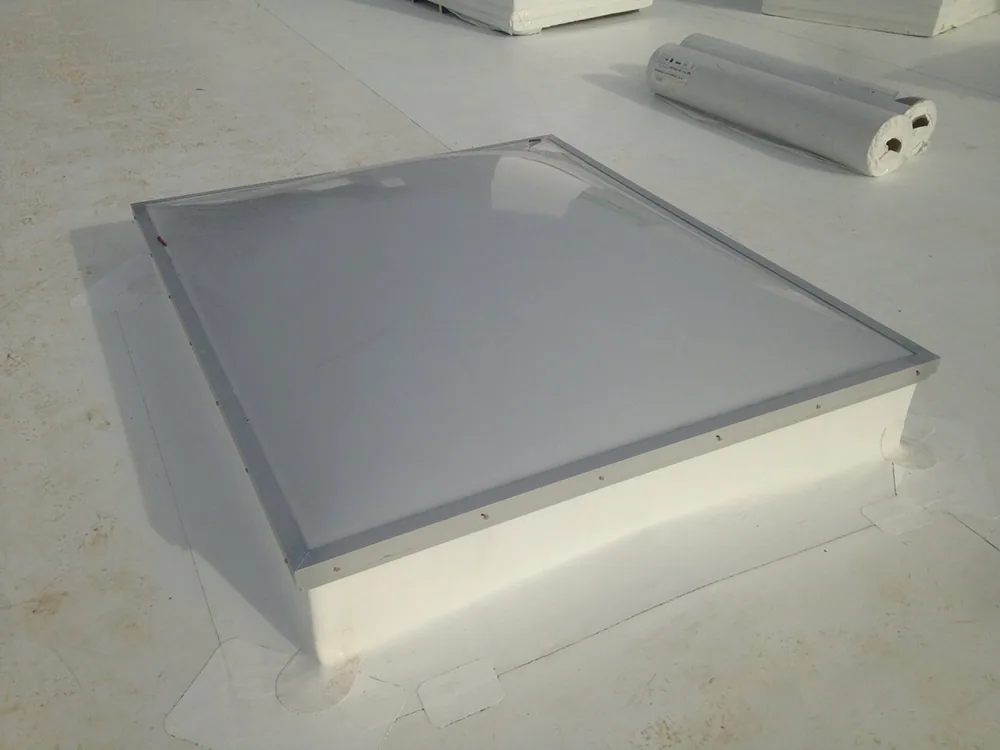
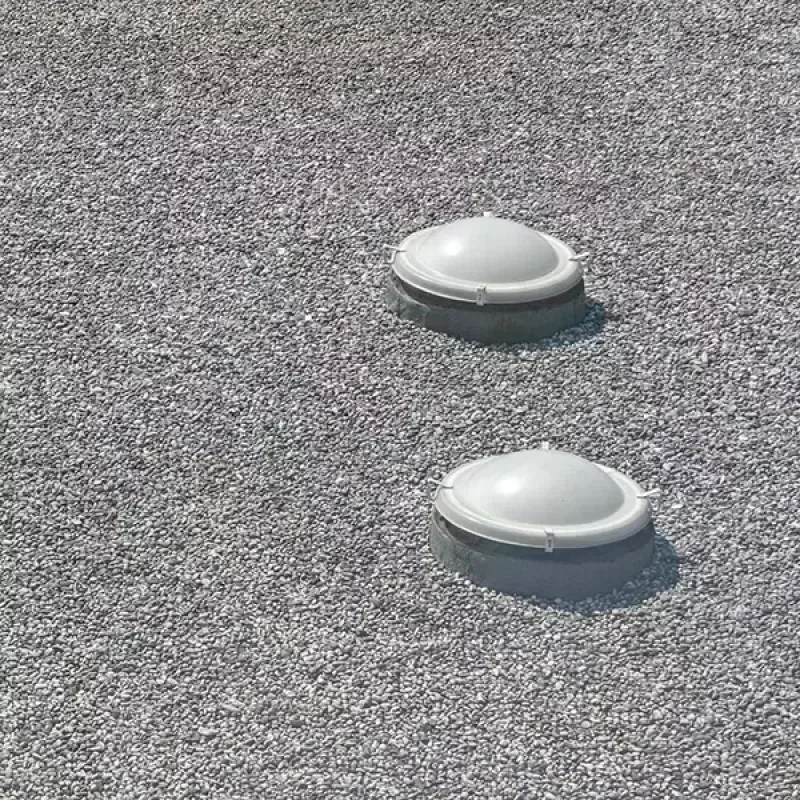
GAF roof penetration repair examines the available space around the actual service opening. Crowded components can prevent a useful accessory fit. Equipment specialists may need to alter the arrangement before roofing proceeds. The selected detail should preserve its required return and service clearance. Backing must accept the specified attachment without unintended movement. We establish that condition before new material conceals it. The permanent finish connects through the compatible method at the field and upper closure. The director receives the complete physical interface rather than a surface strip across unsuitable geometry.
A local GAF repair can permit retained field where its condition remains suitable. Broader moisture or attachment damage can call for another option. Commercial roof recovery assessment reviews retained construction and applicable project requirements. Added layers and loads need appropriate design attention. The new field height must fit drains, curbs and wall returns. Another trade may need a component alteration first. We describe those supporting tasks with the covering proposal. The director can distinguish a useful recovery assembly from a new surface that leaves its connected accessories unresolved.
Johns Manville assembly evaluation likewise considers specified attachment and supporting layers when another system is under review. Product and accessory compatibility must remain specific to the selected construction. Components should not be treated as interchangeable solely because both fields use a thermoplastic sheet. We identify the intended assembly before selecting preparation. A broader renewal can differ in deck attention, disposal and retained-layer suitability. The physical interfaces remain part of each option. The director receives enough construction detail to compare complete systems rather than only their manufacturer names.
A repair opening above a store can expose stock to preparation debris. Occupied GAF roof renewal fits removal to rooms with suitable protection below. The facility identifies contents and required operating precautions. We describe roofing products and nearby intake effects for that decision. Material bonding, welding or curing still requires acceptable installation conditions. Oklahoma summers are generally hot, affecting work-area product temperatures. Summer thunderstorms can interrupt exposed work with locally heavy rainfall. We assess the stage before application and establish its suitable weather stop. The director receives the usable interval before operations return beneath it.
Available warranty terms can require notice or review for planned alterations. We identify the relevant provisions with the facility contact. The issuing party evaluates its applicable requirements and warranty response. Roof findings and proposed physical work remain separate from that determination. Carlisle roof interface work also requires compatible components when its assembly is selected. At any manufacturer-specific repair, equipment alterations need the corresponding roof closure. We describe supporting and finish tasks before the component is set. The useful construction sequence retains actual terms and compatible material instead of an assumed universal warranty procedure.
Mustang GAF roofing work requires property-specific examination of the roof and occupied footprint. Bethany business or care settings need their own protected stage arrangements. We control roofing movement through the agreed delivery and disposal zones. Rooftop storage receives suitable loading and material-protection review. At completion, appropriate joint checks follow the selected GAF membrane and accessory methods. The reconstructed upper closure should meet its intended backing and termination. We remove reachable installation scraps around collection and equipment access. Unfinished supporting interfaces remain located for the responsible specialists. Room release follows the actual finish and remaining protection condition.
Located GAF roof condition findings associate observations and supporting photographs with useful construction tasks. Later equipment additions need compatible closure within their own sequence. New water reports should identify the affected room and relevant timing. Recent service work can help direct examination at a changed interface. Continued care preserves accessible collection points and required service clearance. We inspect current material and support before recommending another repair. Broader renewal follows those present assembly findings. The director can then keep completed local work separate from other roof needs that still require examination or construction.
Identify the installed covering, affected component and occupied space below. We will examine retained construction and define compatible GAF roof repair or renewal tasks.
We establish the actual system and retained material before selecting preparation. Thermoplastic and asphaltic assemblies use different joining methods. Supporting layers and accessories also affect the detail. The intended products need suitable compatibility. The director receives construction based on the installed assembly rather than one method for every GAF roof.
The complete field height must fit the equipment return requirements. We examine those dimensions before closing the assembly. Another trade may need to alter or lift the component. Loads and support can require design review. The roof-side scope includes compatible preparation after that supporting task.
Specified compatibility and assembly requirements govern the useful component. Similar material labels alone do not establish interchangeability. We identify the intended system before selecting the accessory. Applicable technical and warranty review may be necessary for a change. The finished connection should follow its appropriate construction requirements.
The treated location and remaining interfaces should be identifiable. Appropriate checks follow the actual sheet and accessory details. Other specialists complete their respective component tasks. Later equipment service should preserve the repaired connection. New observations can then direct current examination at the relevant roof area.