
Above a manufacturing workroom, a PVC equipment return can retain old coating along its repair boundary. The new weld needs suitable contact with the actual sheet beneath it. Commercial Roofing Edmond handles Sika Sarnafil roof work in Edmond, OK. Sika's commercial roofing includes PVC membrane systems using welded field connections. We inspect retained material and the proposed interface before preparation. The director receives compatible product, backing and accessory tasks together. Occupied equipment below influences removal protection and the useful stage. A permanent detail should close the actual assembly rather than cover an unsuitable old finish at the joining surface.
Guthrie's economic activity includes industrial and manufacturing enterprises. Oklahoma City also has energy, aerospace and bioscience businesses. Edmond contains technology-center business-incubator space within its building setting. Such occupied operations can need equipment and product protection beneath roof preparation. We identify the actual process area and nearby intake arrangement with the facility contact. Responsible staff establish appropriate operating precautions. The installed membrane and backing govern roofing above those spaces. Work should fit both the material's installation requirements and the protected interior footprint. The physical roof condition establishes the repair boundary at each property.
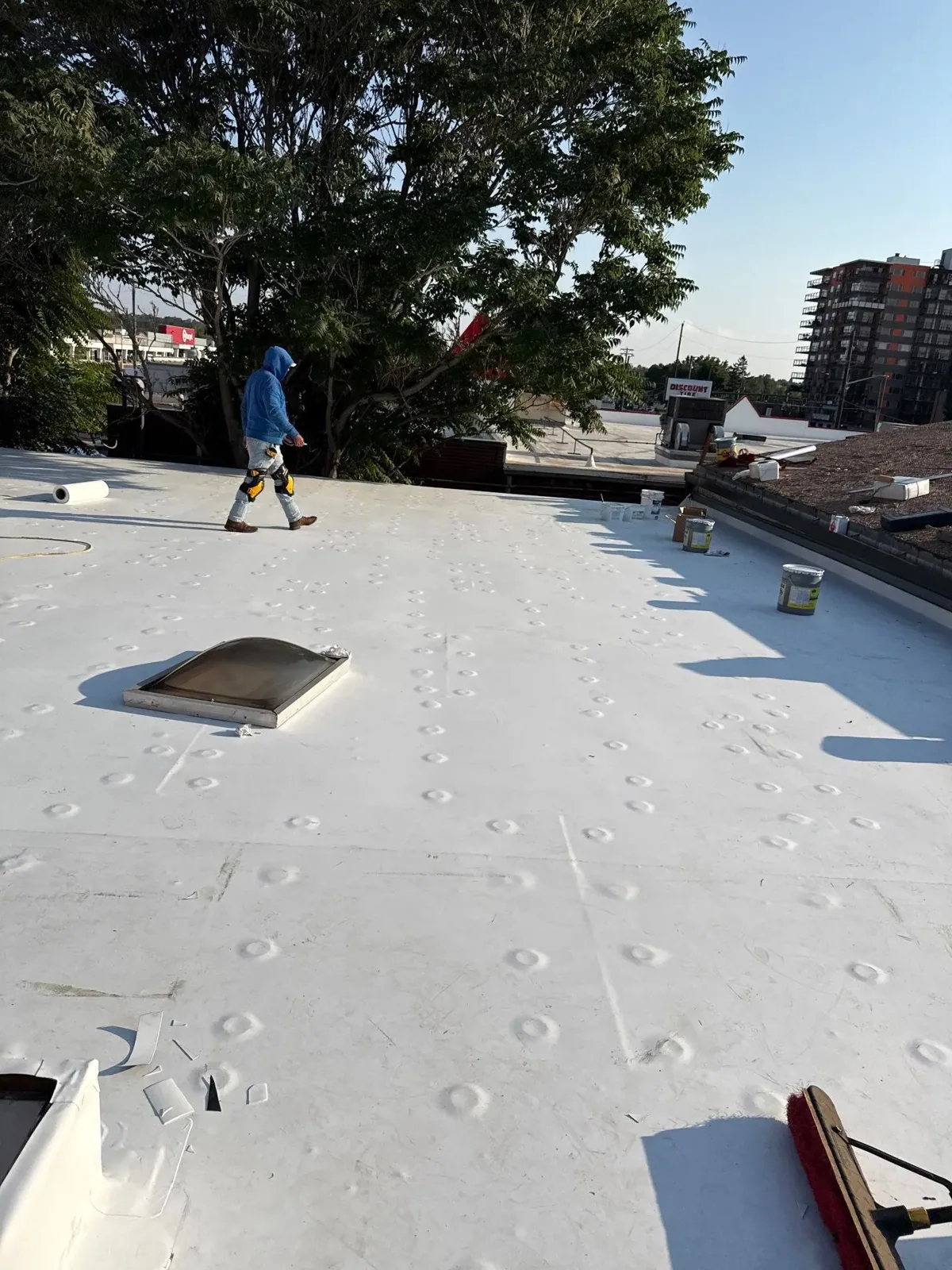
An existing finish can obstruct the retained PVC surface needed for a compatible weld. Sika PVC seam construction follows its intended preparation and accessory requirements. We identify the actual sheet and examine the proposed joining area. Deteriorated or contaminated material may need removal beyond the visible defect. Useful contact should meet the selected system's requirements through the joint. Appropriate seam checks follow its intended method. The director receives preparation and reconstruction tasks at the same location. A clean-looking repair face does not settle the suitability of an old layer beneath the new connection.
The assembly can also include accessory details with specified liquid or formed components. Those products should be selected for their actual intended PVC interface. Similar material descriptions alone do not establish useful compatibility. We examine retained condition and available dimensions before choosing the detail. An uncertain covering identification needs resolution before products are ordered. The proposed method must fit its supporting layer as well as the visible sheet. We locate those requirements in the repair scope. The director can then distinguish material preparation from the complete joint needed to finish the roof connection.
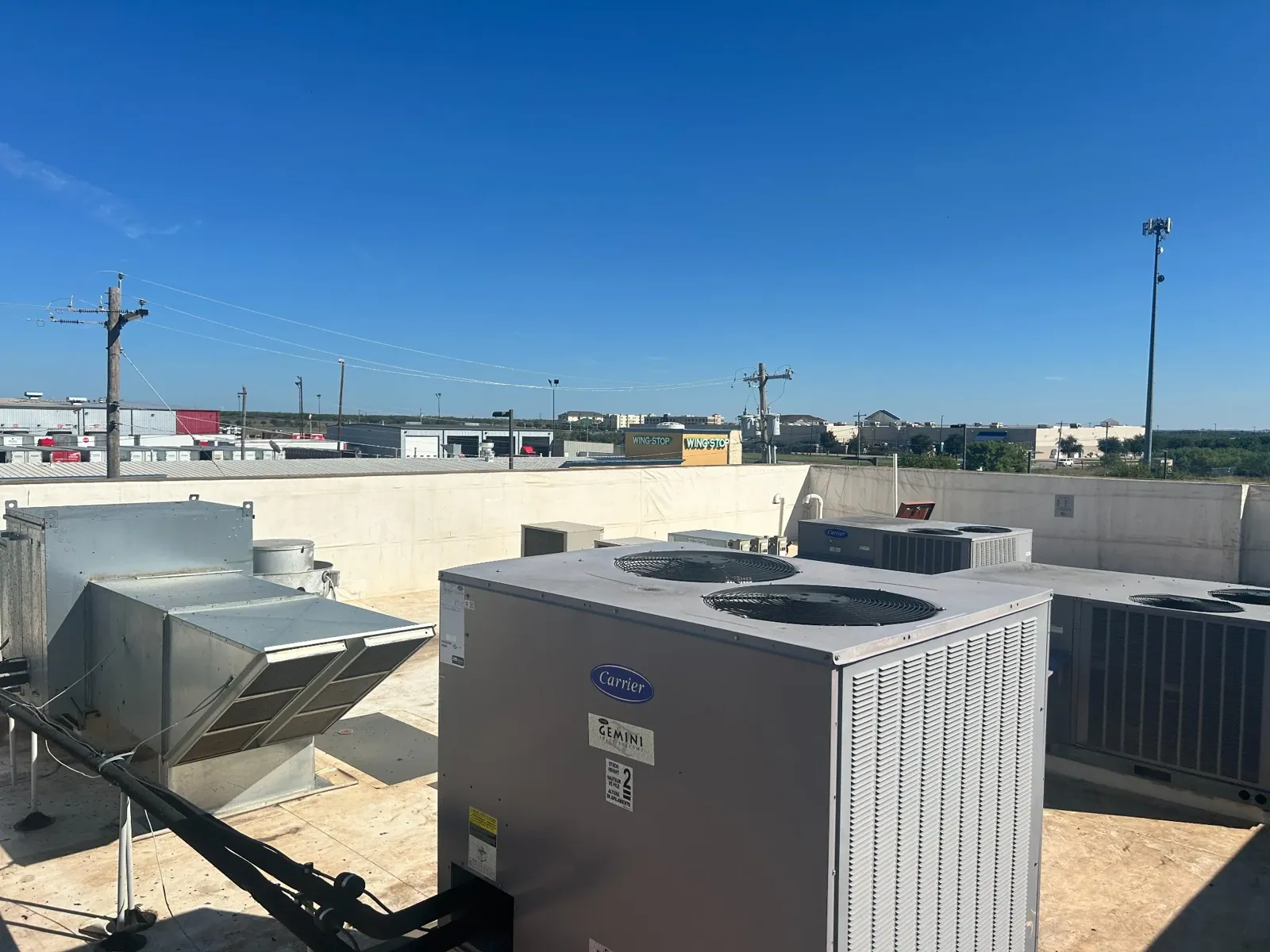
An equipment discharge can affect the surface around a roof curb. Sika equipment interface work examines actual exposure, backing and available return space. PVC compatibility should be checked against the selected product and present condition. Mechanical specialists address equipment discharge and operating requirements. Support alteration may also require appropriate design attention. We identify roof-side preparation after those tasks. The accessory should retain suitable contact and required service clearance. The director receives the connected construction rather than presuming the field material alone resolves every condition beside the unit.
PVC return reconstruction examines the upper closure as well as the lower field joint. Water can pass an unfinished termination despite an intact visible face. We inspect reachable backing and adjoining component condition before repair. Another wall or equipment trade may be needed at the interface. New insulation height can also reduce available return dimensions. We compare the intended field against the retained curb before finishing. The permanent scope includes suitable support and closure through the whole connection. A surface strip should not conceal another unfinished upper joint.
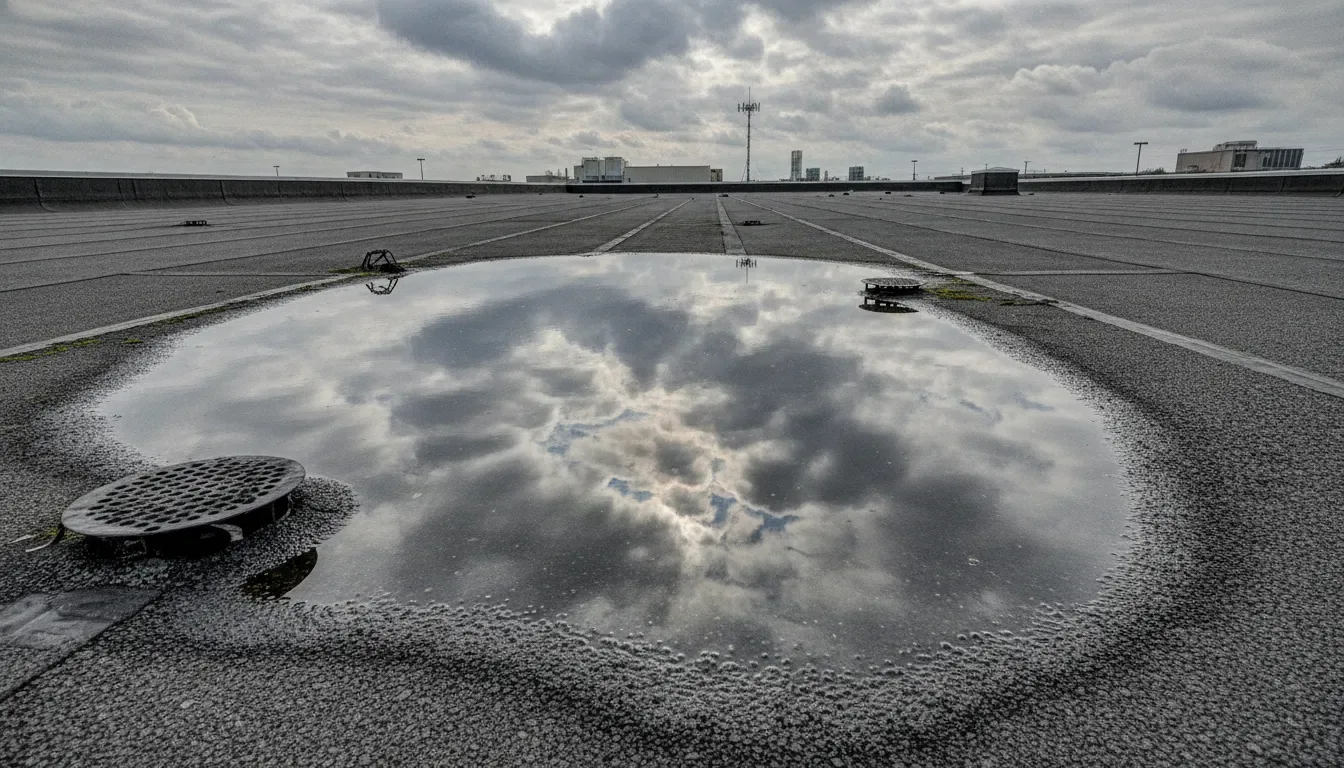
A split near an outlet can admit water into supporting layers. Sika collection-area assessment examines the field approach and accessible component elevation. A clear outlet may still have an unsuitable receiving relationship. Piping or capacity changes can require another specialist. We identify the roof-side flange and accessory treatment after that work. Moisture condition beneath the opening also needs examination. Useful concealed checks can establish more of the supporting boundary. The director receives drainage and layer tasks separately, so a repaired PVC joint does not leave the actual collection concern unresolved.
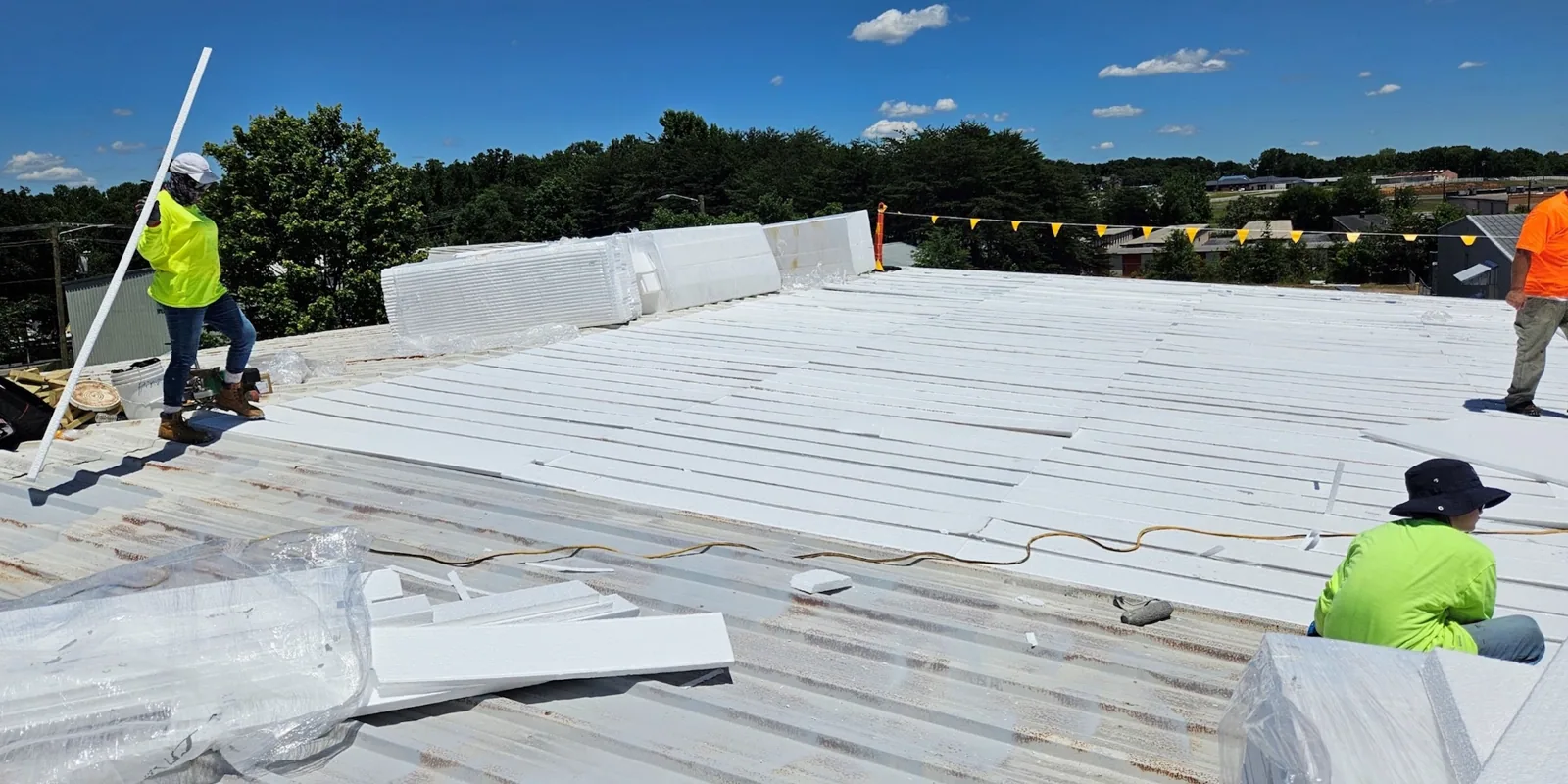
Supporting layer reconstruction beneath PVC roofing prepares backing suited to the selected assembly. Damaged or damp material can extend removal beyond a local opening. Deck concerns require their appropriate professional or construction response. We identify required attachment and thickness before new covering closes. Added loads and changed elevations need applicable review. A recover option can be useful where retained layers permit it. Broad removal may instead be appropriate where support or moisture prevents another finish. The director receives those complete construction implications with the proposed system choice.
Carlisle PVC assembly evaluation also uses its particular field and accessory requirements when that system is considered. Product selection should retain the intended manufacturer's complete detail. A similar PVC label should not replace review of the actual compatible components. We compare supporting and accessory tasks along with the covering. GAF thermoplastic construction likewise needs suitable retained joining surfaces and backing. Each option must fit the equipment dimensions and functioning drain arrangement. The director receives complete assembly differences instead of a manufacturer name separated from its required construction.
Occupied manufacturing work can limit how preparation proceeds over equipment or product areas. The facility identifies protected contents and necessary operating restrictions. We describe removal debris, roofing products and nearby intake effects. Responsible staff arrange their appropriate equipment controls. Material bonding and welding still require acceptable conditions at the roof. Oklahoma generally hot summers can restrict application temperatures at the work surface. Summer thunderstorms may interrupt exposed stages with heavy local rain. We choose a usable opening with its appropriate stopping detail. The director receives that installation interval before the protected stage expands.
Guthrie Sika roof projects require review of actual operating and handling constraints. Oklahoma City business settings need property-specific protected approaches as well. We establish controlled delivery and disposal zones with the authorized contact. Roofing storage above needs appropriate loading and product protection. At completion, the selected Sika assembly governs suitable joint and accessory checks. We remove reachable preparation scraps from collection and equipment access points. The director receives the finished interface locations and unresolved supporting tasks. Room and equipment release should follow that current construction status rather than an assumed field-only completion.
Sika warranty-related coordination addresses applicable alteration notice and review where terms are available. The issuing party determines its own warranty response separately from our roof treatment. We confirm the intended project design, permit and inspection responsibilities where needed. Later equipment changes require compatible PVC closure within their service sequence. New water observations should identify interior location, timing and relevant recent work. We examine reachable connections against that information. Continued care preserves accessible returns and outlets. Current sheet and backing findings then guide the next useful local repair or broader assembly renewal.
Identify the retained PVC covering, old finish and operating equipment below. We will inspect compatible preparation and define the complete interface reconstruction.
The retained surface must meet the selected system preparation requirements. We identify the coating and underlying sheet before assigning the joining area. Removal or a wider boundary may be necessary. Compatible products and appropriate joint checks follow the actual detail. The director receives preparation and finish tasks together.
Backing carries the required attachment and helps preserve the intended shape. Loose holding construction can move beneath an otherwise intact sheet. We inspect the accessible support before completing the new detail. Equipment specialists may need a corresponding alteration. The roof finish should follow a component suited to its final connection.
We examine field elevations, outlet condition and retained layers as separate physical questions. A split joint can need repair while the water approach requires another task. Supporting moisture may expand removal. Piping concerns belong with the responsible specialist. The useful scope includes those connected conditions instead of closing only the visible opening.
Product conditions still govern preparation, welding and any required curing. We assess the actual work surface and weather before the stage. The facility arranges appropriate protection for equipment and products. The opening needs its specified secure stop. A usable operating interval should permit that complete construction, not merely room availability.