
Over a dealership service bay, an exhaust opening needs a roof closure suited to its service. The pipe, support and membrane should meet through compatible construction. We examine those interfaces before selecting a repair. Commercial Roofing Edmond handles auto dealership roofing in Edmond, OK. Showrooms and service areas can bring different roof details within one property. Vehicle storage and movement also affect the available handling zone. The facility director receives a scope connected to the actual work below. The selected assembly needs to fit both the equipment exposure and supporting structure.
Broadway Corridor has predominantly commercial stretches with surface parking and some housing. Its southern gateway also contains office and commercial uses. Yukon has large-format retail and restaurants near Interstate 40 and Garth Brooks Boulevard. We review actual delivery and parking routes before roofing in those vehicle-oriented settings. We examine the property's operating layout rather than treat all parking as staging space. The roof connection guides the repair.
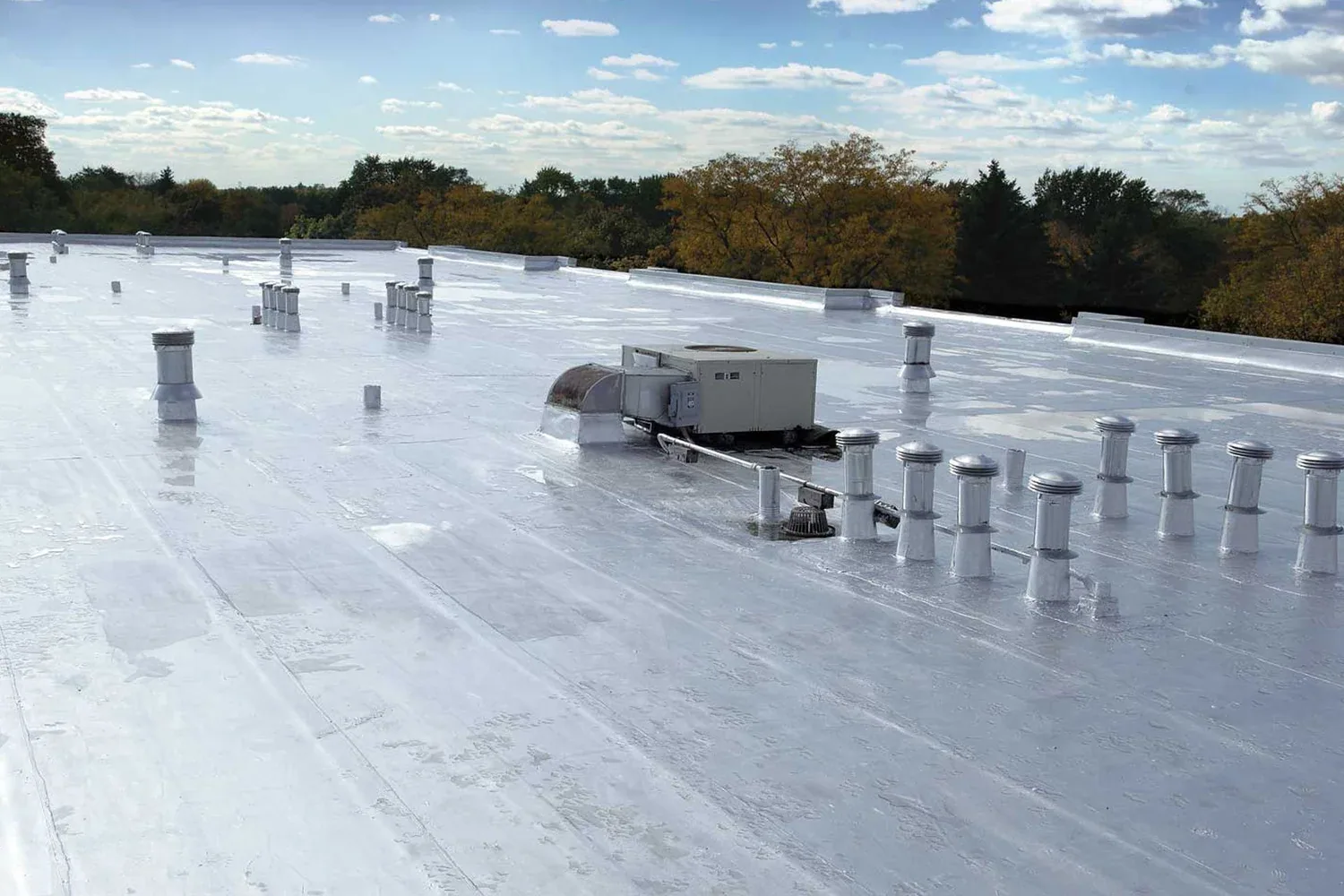
A pipe flashing beside service equipment may encounter heat or other discharge conditions. We identify the actual service with the responsible equipment trade. Material and clearance requirements need consideration before accessory selection. Service-bay penetration repair should rebuild compatible roofing around a properly supported opening. The accessory needs appropriate dimensions at its base and upper closure. A split boot or loose attachment can need replacement rather than surface compound. The surrounding sheet must also provide suitable material for the connection.
Equipment changes can leave an abandoned opening or introduce a new one. The responsible trade establishes the removal and equipment requirements. We examine the exposed supporting construction before closing the roof. An abandoned curb may need more than a cover plate. Drainage, attachment and insulation continuity need appropriate treatment. A new service opening should not interrupt required load support. The director receives the roof-side construction that completes the equipment change. The finished detail should remain useful when mechanics next service the system.
Removal above a showroom can expose vehicles and occupied customer space. The facility arranges suitable relocation and protection before the stage opens. Large retail roofing matches overhead removal to protected displays and usable public circulation. We identify those same physical boundaries at the dealership's sales floor. Dust-producing work should remain within its established precautions. A roof opening near occupied offices may require another interior restriction. The contact receives the affected room area before construction. The selected removal stage should fit what the facility can suitably protect.
Roof work above service bays can affect lifting equipment and other operations. Facility staff identify suitable operating windows and restrictions. Phased dealership roof renewal needs stages that can reach secure closure. A bay schedule should account for concealed damage and weather dependencies. The director receives changed construction needs while the affected area remains visible. Room availability follows the actual protection achieved. We coordinate roofing openings against those operating decisions. A planned completion date does not resolve an unfinished roof or equipment interface.
A roof around frequently serviced equipment can show local wear beyond its seams. We inspect contact paths, residue and material condition before proposing renewal. Protective treatment should fit the selected covering and preserve inspection access. PVC roof assemblies require their appropriate specification and chemical-compatibility review. Other materials can also serve a project when the exposure permits them. The full assembly needs suitable backing and attachment. We connect material selection to the actual service conditions. Surface appearance alone is not enough for that choice.
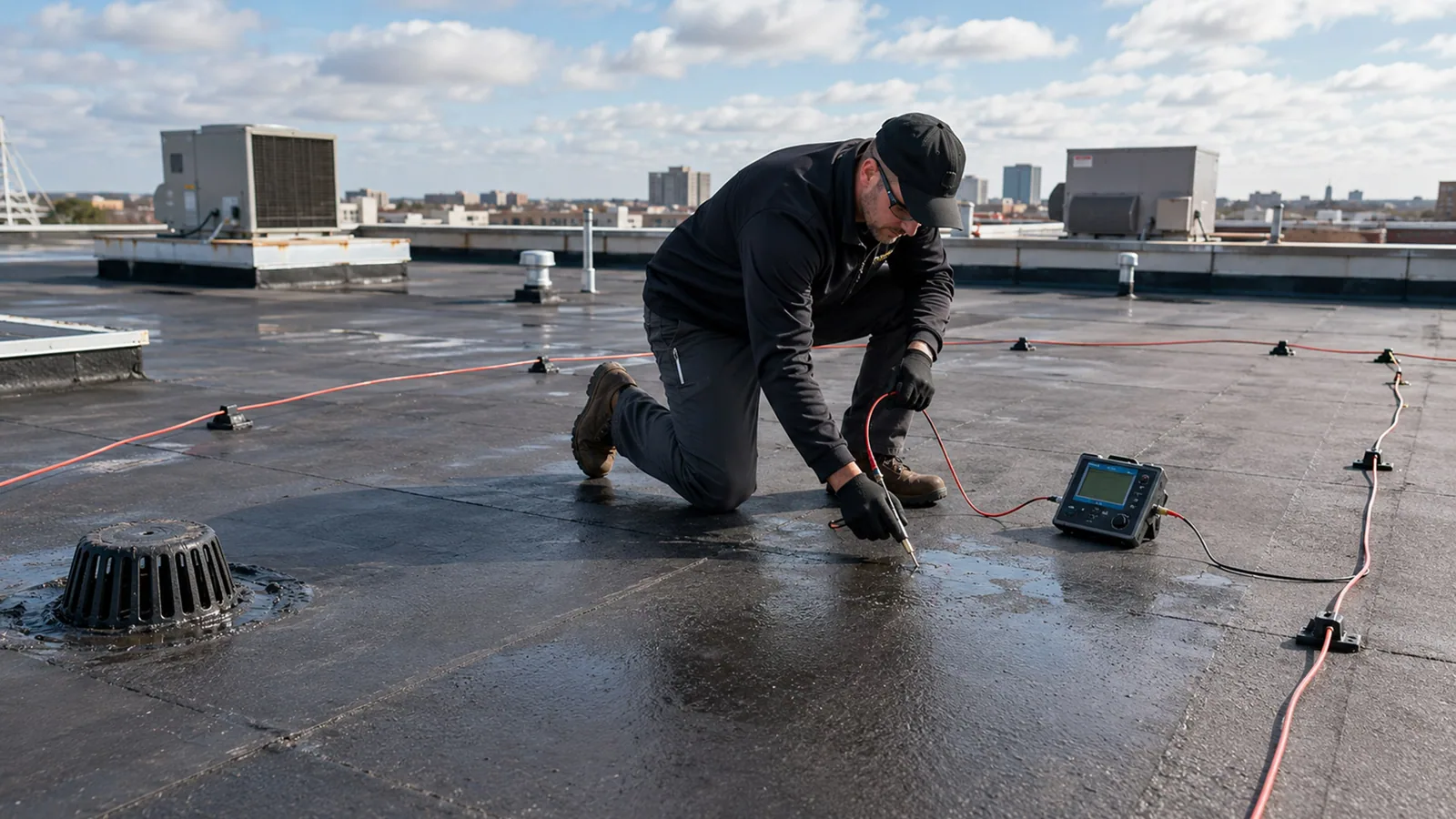
Oil or other residue can interfere with local repair bonding. The affected material may need replacement if suitable preparation is unavailable. Wet insulation also needs examination and a defined treatment area. Dealership roof condition checks identify the observations governing those decisions. Damaged deck material can require another construction or design response. We show its condition before new roofing conceals it. Widespread deterioration may favor renewal over separate isolated repairs. The director receives the physical findings behind that recommendation.
We examine the flange and water approach where low areas surround a dealership roof drain. A cleared bowl can still leave an obstructed water route. We identify field depressions, raised connections and support interference. Dealership drainage work may include roofing correction alongside other trade tasks. Piping defects or capacity changes require their suitable review. The roof-side connection should meet the approved outlet arrangement. New insulation must fit the intended runoff geometry. It should also preserve the required equipment flashing dimensions.
Water from a collection joint near vehicle displays can reach occupied ground space. We inspect the gutter attachment, discharge and roof eave separately. Flex-building roofs coordinate outlet corrections with loading or office entries where runoff reaches those routes. We examine the discharge path reaching a dealership service entrance. Roof-edge reconstruction may require compatible eave closure rather than a gutter-only repair. Changed field thickness can alter that interface. We identify the necessary dimensions before finishing. The proposal separates each component task needed to restore useful runoff.
A lifting zone beside the service drive can interfere with vehicles entering occupied bays. The director identifies delivery, customer and staff movement before staging. We establish the required roofing handling area against those routes. The facility coordinates relocation of cars beneath the overhead removal zone. Ground barriers should correspond to the actual exposure. Rooftop staging requires suitable loading and product protection. Disposal should use the agreed path while work progresses. We adjust handling before lifting resumes at a changed construction area.
We examine parking and entrance constraints for Broadway Corridor dealership roof work. Yukon trade-area properties can have different operating and delivery layouts. A large paved area still requires an appropriate controlled use during construction. Oklahoma has spring hail and damaging-wind exposure. We examine accessories identified in the dealership storm report. After a reported event, we assess actual roof and accessory conditions. Hot summer surfaces also influence suitable application windows. The day's opening must permit the specified material work and secure protection. Vehicle availability and roof installation requirements need coordination in that sequence.
A completed penetration needs its suitable roof inspection before the equipment interface closes. We examine joins, terminations and accessible support details appropriate to the assembly. Responsible equipment trades complete their own operating checks. The director receives the roof work locations and any remaining trade task. Accessible metal fragments and debris should leave the surface and outlets. Permit and necessary design responsibilities are confirmed for the proposed project. The final repair should fit the approved construction requirements.
Later equipment replacement can change supports or require another service opening. That work should include roofing-compatible closure rather than an improvised patch. We examine the interface before the selected alteration proceeds. New water observations should identify the bay, showroom area and relevant timing. Recent equipment work can help locate the appropriate examination.
Identify the affected roof detail and the vehicle routes the work must protect. We will define suitable dealership roofing and its operating sequence.
The actual exposure determines compatible material and required clearances. We identify the equipment service with its responsible trade. The roofing accessory must fit that pipe and surrounding assembly. A generic boot can be unsuitable for some conditions. The proposed detail connects roof closure to the equipment requirements.
The vehicle and public-access arrangement needs review before that space is assigned. The facility identifies cars requiring relocation and routes needing continued use. We describe lifting, disposal and material protection requirements. Ground control follows the actual overhead work. An open space still needs a suitable construction arrangement.
Its surrounding layers and support need appropriate reconstruction. We inspect the abandoned curb and accessible deck condition. The closure must fit the field drainage and required attachment. Another trade may need to complete supporting work. A loose cover over the old opening leaves those construction questions unresolved.
We examine both interfaces against the observed condition. Discharge or equipment defects may require their responsible trade. Roof leakage needs compatible reconstruction where that entry is found. The director receives the physical observations behind the proposal. The treatment should follow the identified mechanism rather than the room name alone.