
Across a storage building, a loose panel lap can let water reach units on either side. The overlapping sheets need a suitable joint and supporting attachment. We examine that connection before adding repair material. Commercial Roofing Edmond repairs and renews self-storage roofing in Edmond, OK. Individual units, shared corridors and office space may need different protections. Their contents remain part of the operating coordination with the facility contact. The roof scope follows the actual sheet, membrane and backing condition. Unit access follows the protection available beneath the work.
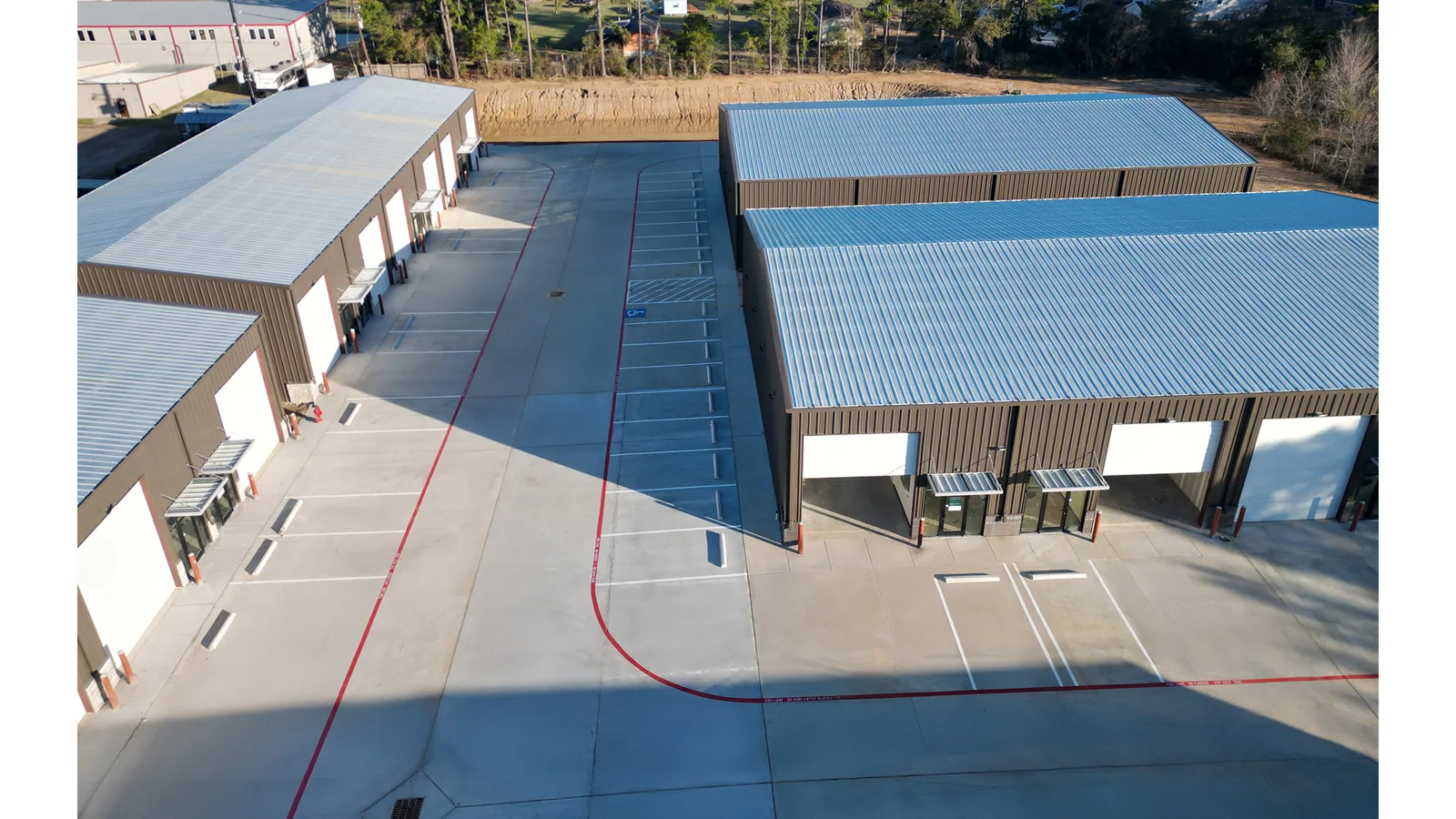
Nicoma Park retains some former poultry houses used for storage and garages. That history gives building-conversion context without defining a property's roof. Moore lies south of Oklahoma City near regional business and industrial employment centers. Storage-related building use can involve different customer and vehicle movement at each site. We examine the facility's actual unit rows and handling space.
A damp unit floor does not identify the roof connection by itself. We locate the observed water and examine relevant overhead details. Door thresholds, wall joints or equipment can require different attention. An enclosed unit may also have moisture behavior needing another assessment. Storage roof leak investigation examines roof entries rather than treating every water observation identically. The contact should describe timing and activity near the affected unit. We connect that information to physical examination. The repair proposal identifies the actual defect found.
Moisture on the underside of metal panels can require enclosure assessment apart from exterior leak repair. We examine accessible roofing connections and identify defects found there. Cold-storage construction coordinates roof layers with intended interior temperatures and vapor control. An appropriate professional reviews the conditioned unit and its moisture and operating conditions. Another exterior coating cannot resolve every interior mechanism. We distinguish those questions before choosing roofing treatment. Direct checks may be needed where concealed layers remain uncertain. The proposed repair follows the condition established.
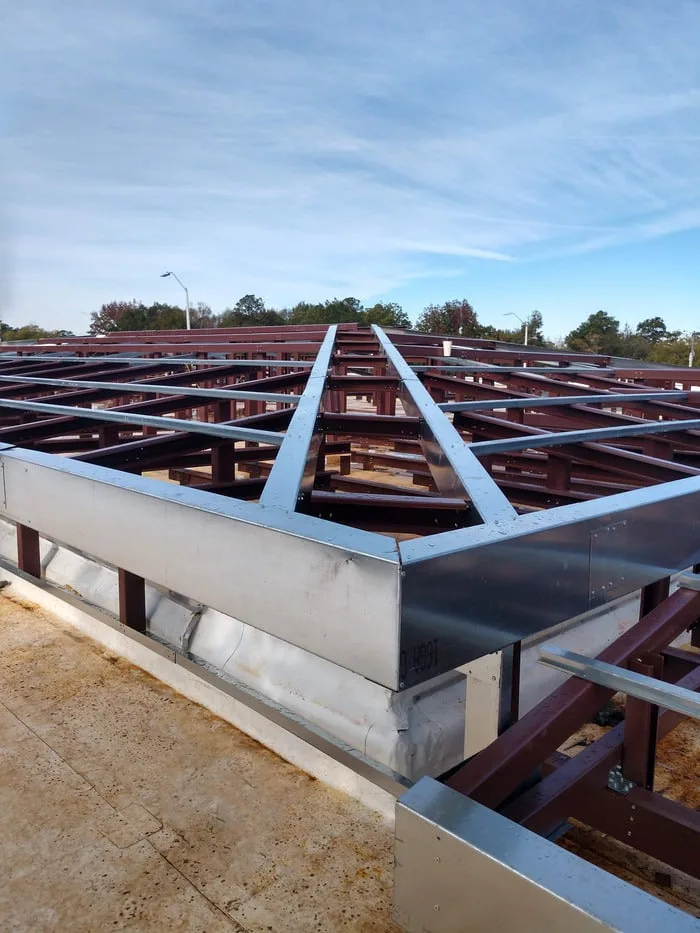
A panel end lap can separate where the fastening or sealing arrangement deteriorates. We inspect the overlap and supporting line before selecting work. Corroded sheet material may need replacement rather than repeated surface treatment. Compatible closures and fasteners must suit the actual profile. Metal roof renewal can provide another assembly where the supporting construction permits it. The proposed attachment still needs appropriate design review. Old panels cannot be assumed to carry the new system unaided. Their condition and the underlying support guide the method.
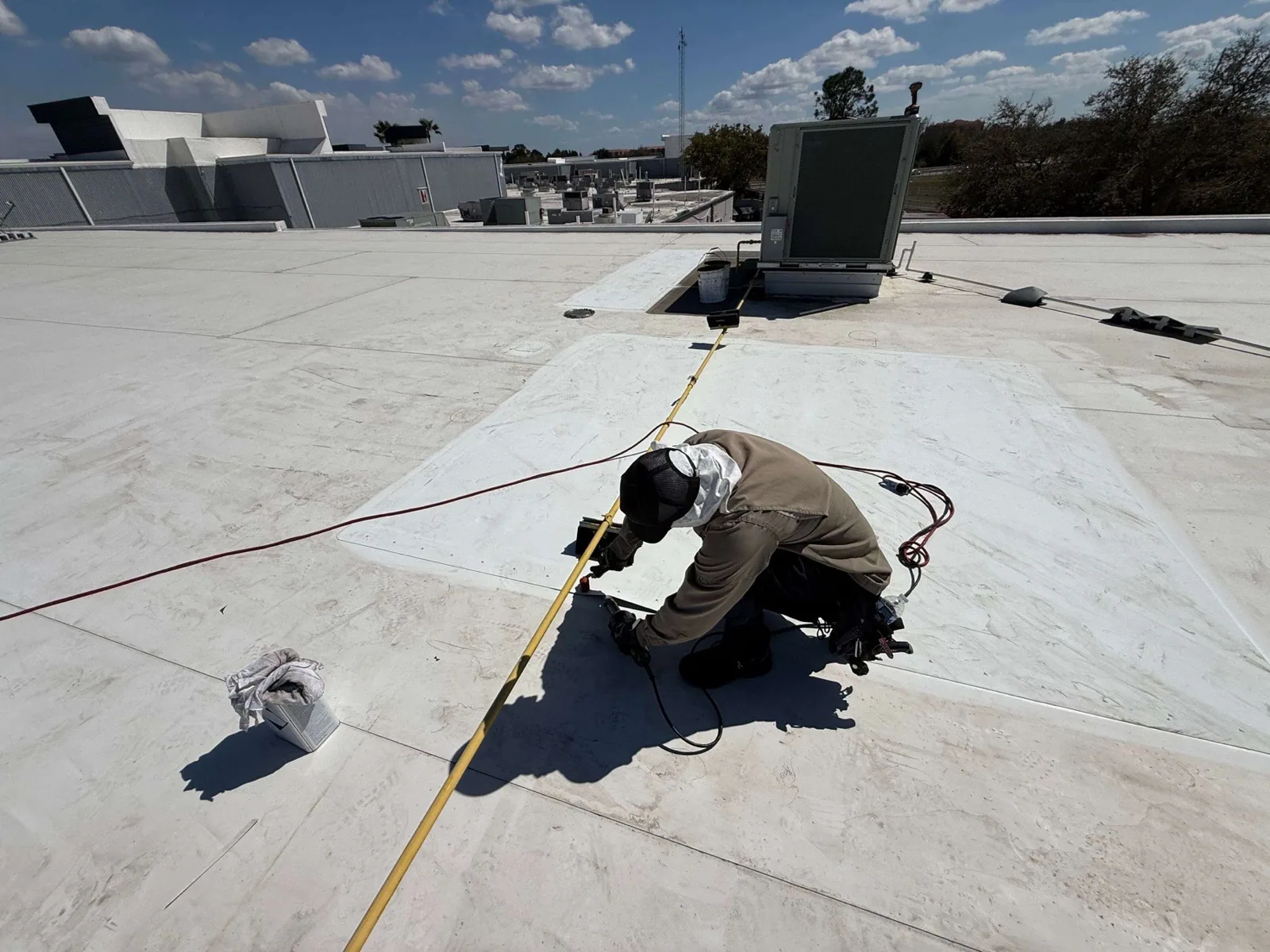
Side laps and penetrations may require different repair details. A new fastener placed beside a damaged opening needs suitable holding material. An enlarged hole can make another screw an unsuitable correction. We examine that condition before completing the connection. Movement requirements should also remain functional after the repair. Sealant must fit the contact surfaces and intended joint service. We describe the required preparation rather than apply material over loose residue. The finished lap needs a reliable physical fit beneath its exposed closure.
An open roof section can expose several separately occupied units below it. The facility establishes customer communication and any necessary content arrangements. We identify the removal area and protection needs before cutting the covering. Occupied storage reroofing may need smaller sections to achieve suitable closure. Dust and debris protection must suit the selected method. A vacant neighboring unit does not establish protection for the active opening. The contact receives the affected row and construction boundaries. Unit availability should follow the actual work stage.
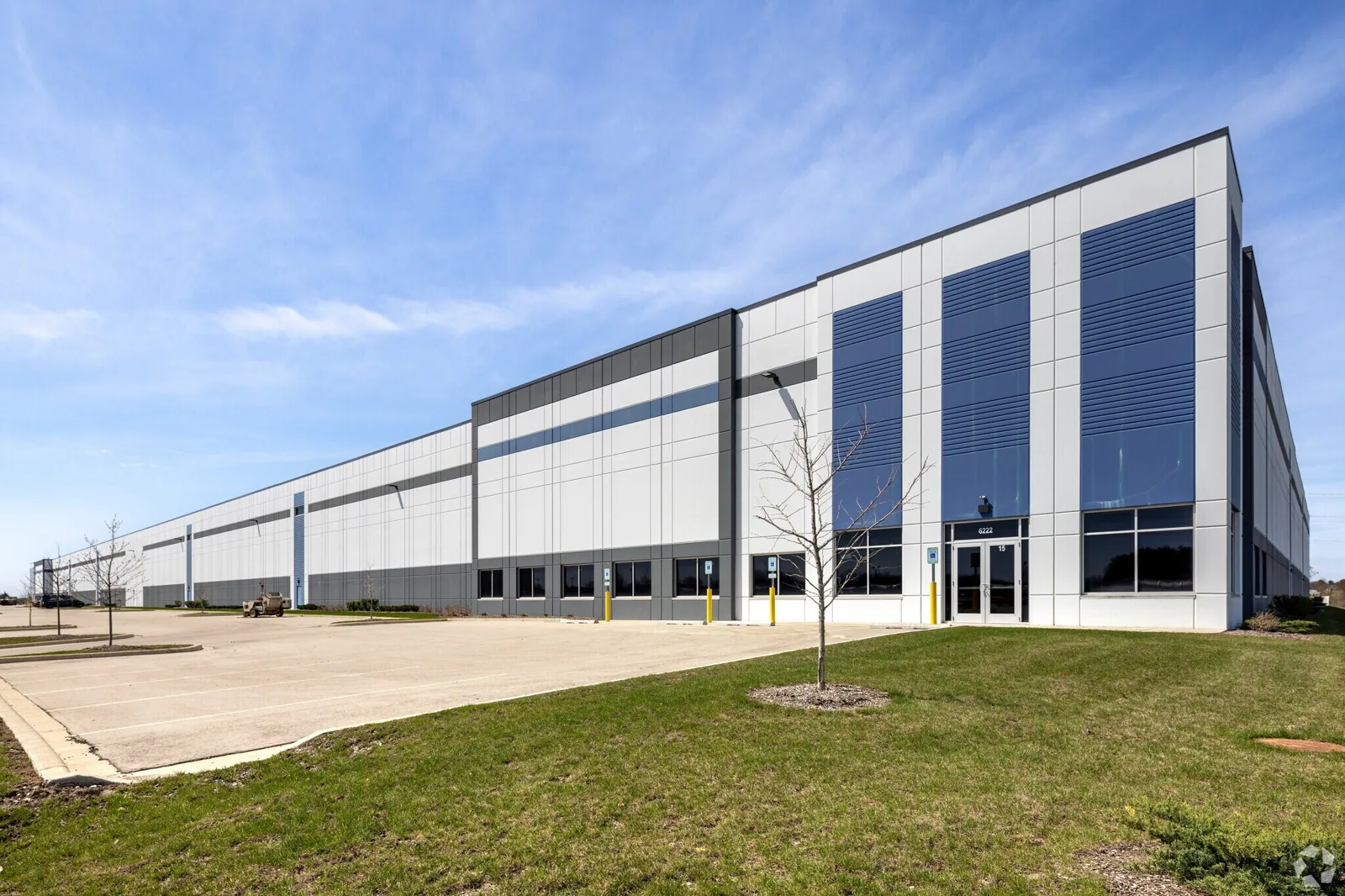
Deliveries can cross customer vehicle routes between separately occupied storage rows. We coordinate the handling boundary with the property contact before lifting. Warehouse roof work controls material movement against occupied loading and internal service paths. At the self-storage property, the protected route must include customers entering affected units. Staff establish restrictions before overhead disposal starts. Staged bundles need load and protection review before placement above occupied unit rows. A revised roof zone can alter the usable aisle. We explain the revised aisle before lifting resumes.
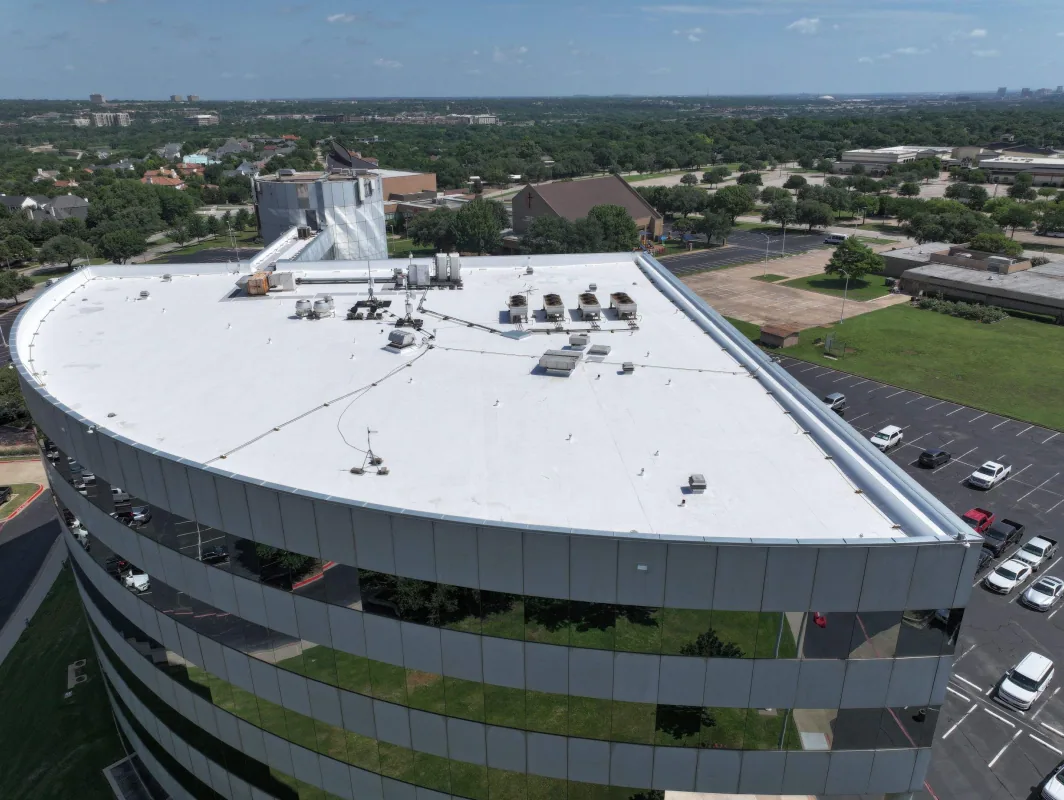
A low-slope storage roof can hold water beside an outlet that sits too high. We inspect the roof surface and flange relationship. Cleaning alone will not correct an elevation barrier. Outlet repair needs suitable joining materials and an accessible discharge arrangement. Changed capacity or piping can require the appropriate design or plumbing action. We identify those tasks before finishing the roof-side connection. Equipment and supports must not block later drain care. The finished assembly should retain a useful path for runoff.
We examine attachment and joint condition on gutters serving individual building rows. A leak over a unit entrance may originate at the eave connection. We distinguish that defect from a gutter discharge problem. Downstream blockage can affect otherwise sound collection components. New roof thickness or panel construction can change the eave detail. The proposed assembly should include those dimensions. Water should leave through the intended collection route instead of reaching an unfinished roof edge. The director receives any separate drainage work necessary to complete that route.
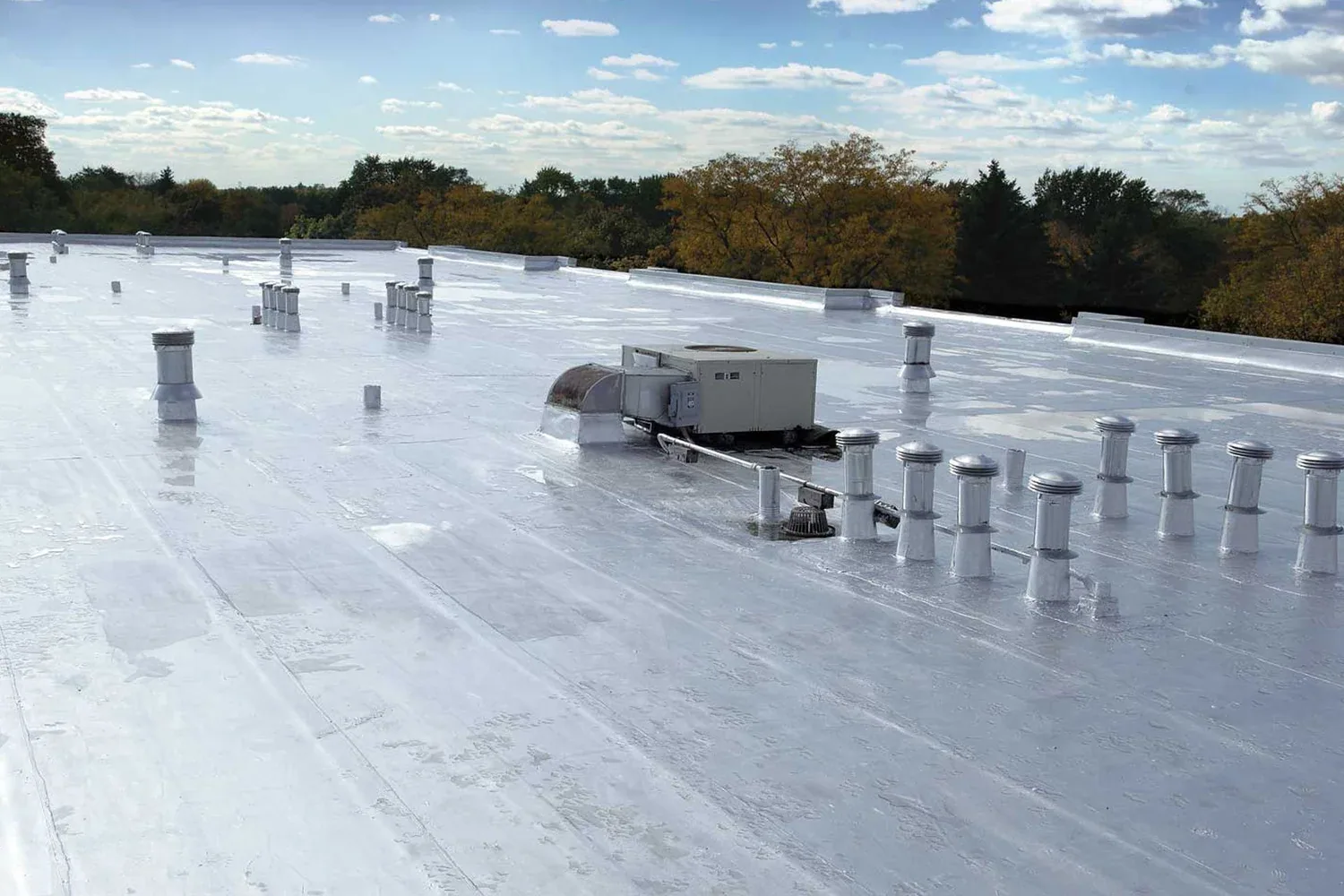
A restorable field requires local defect repair before liquid treatment. We examine adhesion, moisture and material compatibility for the proposed product. Storage roof restoration may require different preparation at seams and fasteners. Broad corrosion or unsuitable retained layers can change the available option. The coating should not hide wet material that needs removal. We identify the physical treatment boundary before application. Roof penetrations need their complete details within the proposed scope. The surface finish is only one part of that construction.
Oklahoma summer heat can raise roof temperatures beyond suitable application conditions. Summer thunderstorms can also interrupt preparation with heavy rain. We select working conditions against the chosen material requirements. Enclosed storage use may place other restrictions on fumes or dust. The contact and responsible trades establish suitable operating precautions. Permit and design duties need confirmation for the proposed renewal. A project date should allow the actual assembly to be installed correctly. Each day's work needs a stopping arrangement that protects the affected units.
Moore self-storage roof projects require review of the actual gate and aisle arrangement. Nicoma Park storage properties can have other building-conversion or ground-space constraints. We coordinate lifting and disposal against the occupied unit layout. Customer vehicle access may need controlled restrictions during overhead work. The facility contact establishes those operating arrangements. Our handling method identifies the construction zone and required protection. Completion includes examination of repaired laps and roof penetrations. Accessible metal scraps should leave the roof and collection components.
Later antenna, cable or lighting work can introduce another roof opening. That addition needs an appropriate supported closure. We examine the roof interface before another trade cuts the covering. New moisture reports should identify the unit and relevant timing. Maintenance should preserve clear discharge paths and inspectable seams.
Identify the affected storage units and customer-access constraints. We will examine the roofing connection and define suitable repair or renewal work.
The observed moisture path needs examination before repair selection. Water may enter at a roof connection, wall or doorway. Interior condensation can require another assessment. We inspect relevant roofing and identify defects found there. The proposal should address a located problem rather than treat the symptom alone.
Suitable supporting material and the actual joint arrangement determine that option. We inspect the existing opening, sheet condition and fastening line. Corrosion or an enlarged hole may require another treatment. The selected detail must preserve required movement and sealing. Another exposed screw is not a complete repair method by itself.
We arrange appropriate protection for every area beneath the opening. The facility coordinates customer access and contents where necessary. We explain the removal boundary and secure roof closure. A stage may need reduction to fit the available protections. The construction zone should remain clear to the property contact.
Sound surrounding connections belong within the field restoration scope. We examine outlet, lap and service details before application. Local reconstruction may be necessary before the restoration material is placed. A separate drainage task can also be required. The proposal identifies those physical interfaces instead of leaving them outside the treatment.